
AN AMERICAN CENTURY
1919–1969
Influence brought opportunity. It also brought consequence.
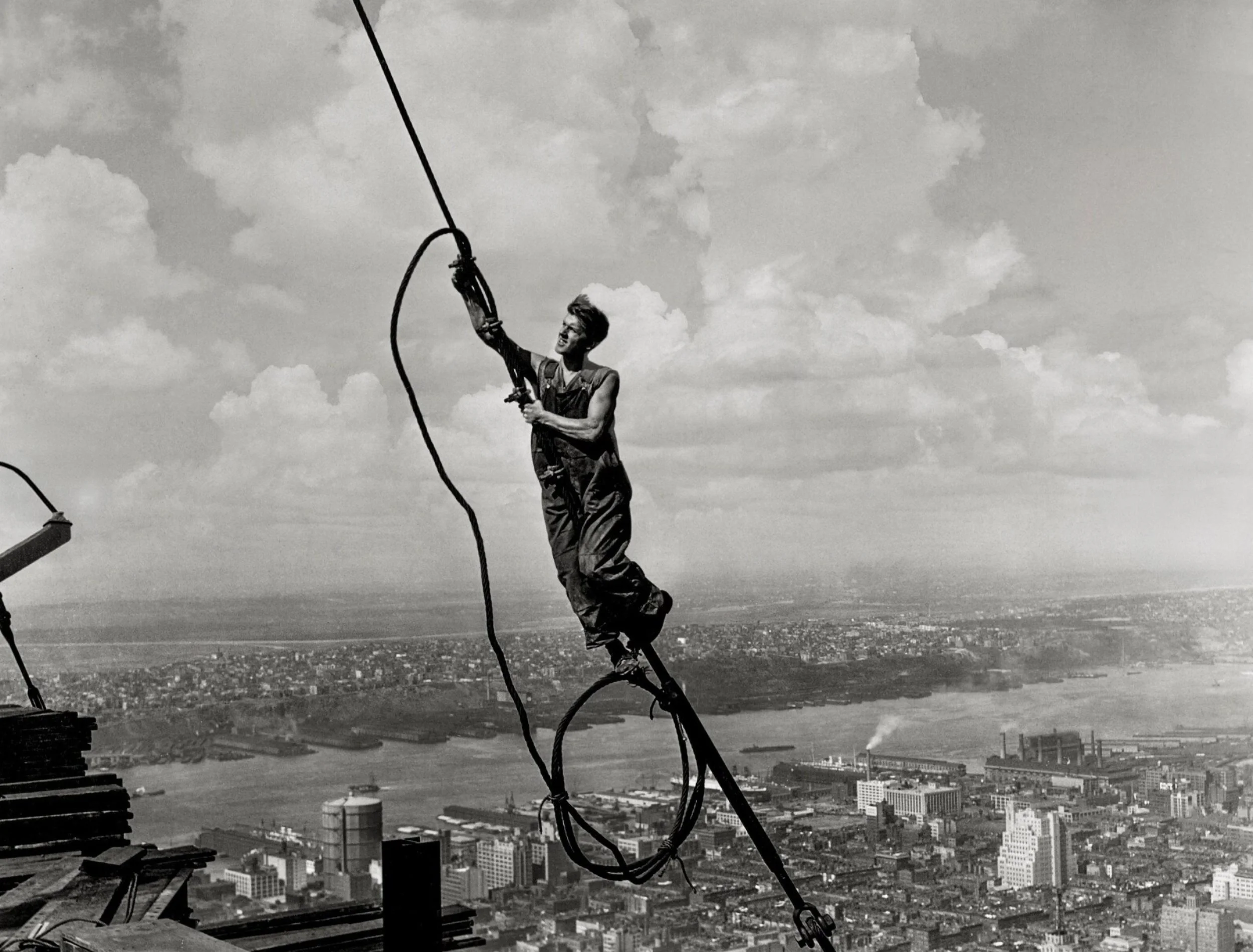
Lewis Hine's iconic photograph of an Empire State Building ironworker captures the human labor behind America's rise—built not only by presidents and generals, but also by millions of ordinary workers whose efforts reshaped the nation's skyline.
The First World War marked the beginning of a new era.
Over the decades that followed, the United States experienced extraordinary change—economic expansion and hardship, global conflict, technological transformation, and growing influence beyond its borders.
The twentieth century would test not only America's growing power—but the responsibilities that accompanied it.
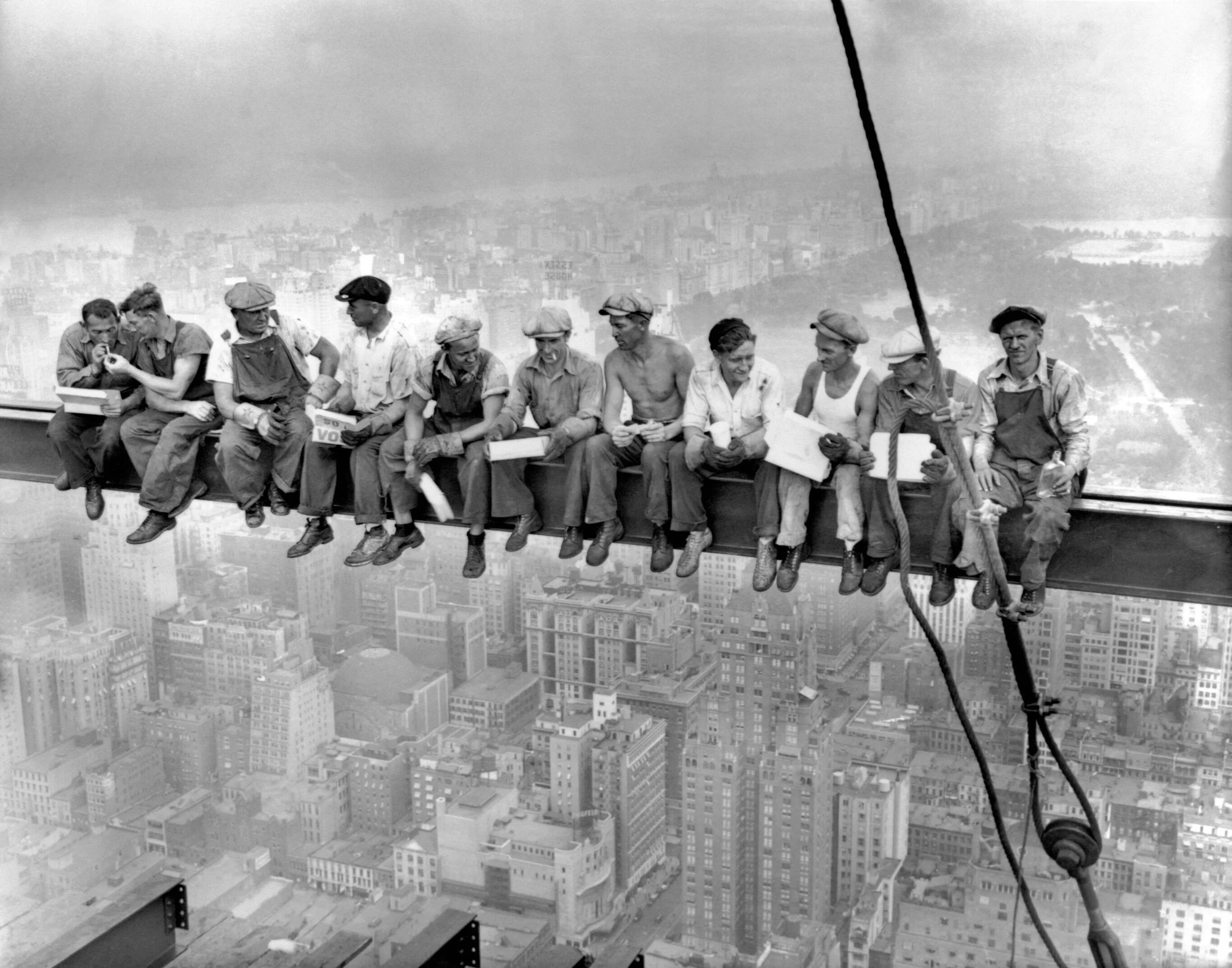
New construction, expanding cities, and modern engineering transformed the American skyline and became enduring symbols of twentieth-century ambition.
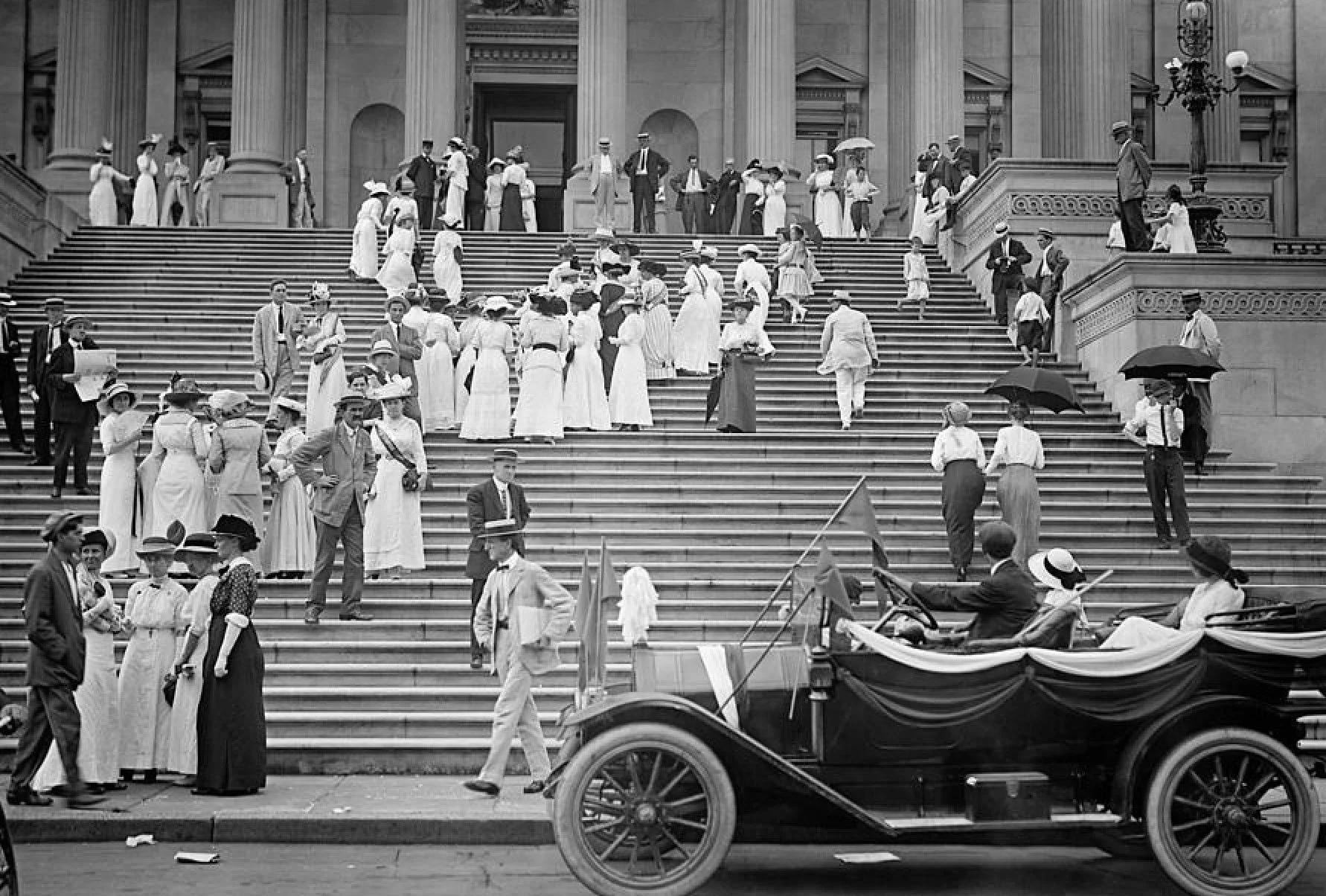
Automobiles, new technologies, and expanding mobility reshaped how Americans worked, traveled, and experienced everyday life.
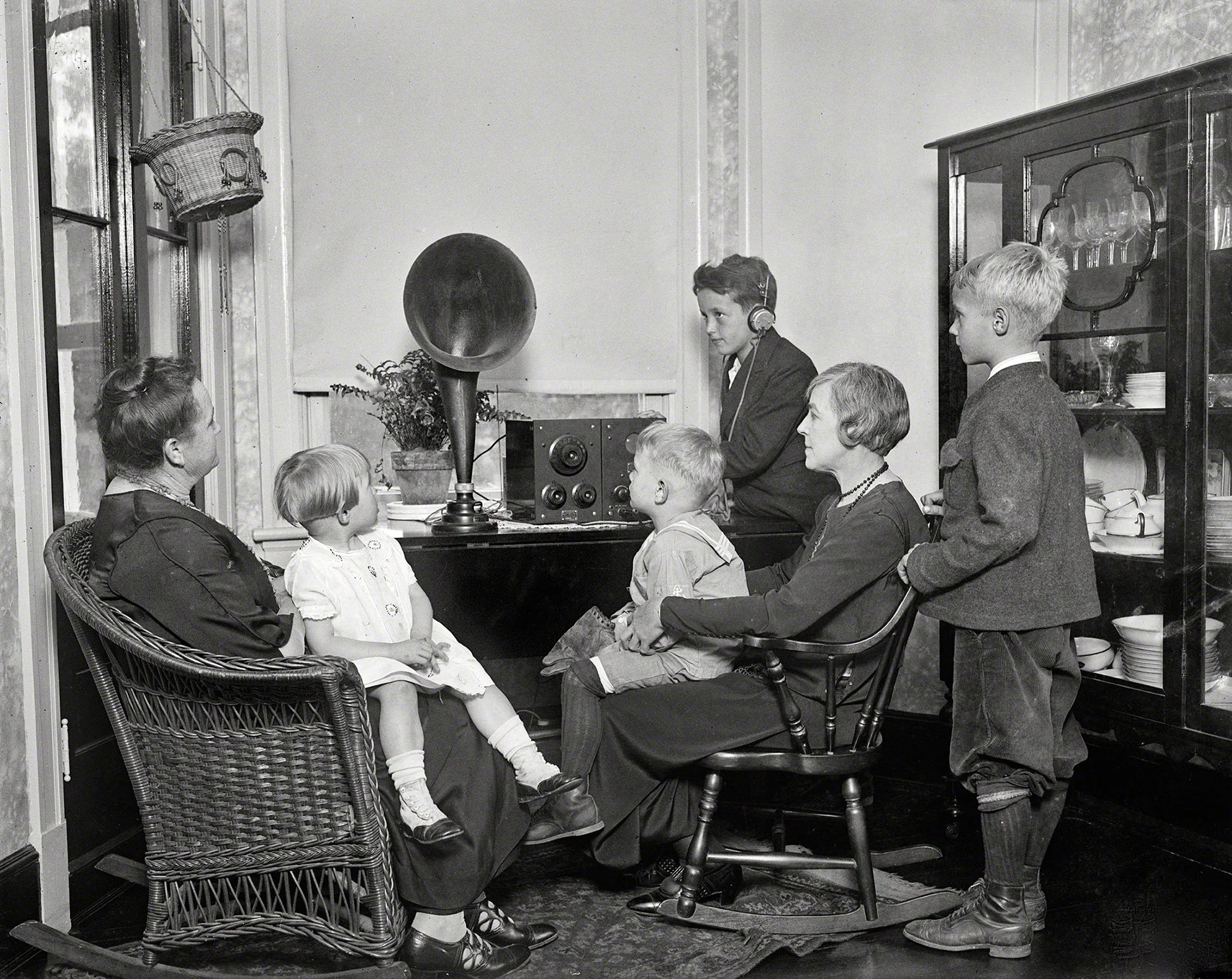
Radio and other new forms of communication increasingly linked Americans through shared news, entertainment, and culture.
The American Century
A century of extraordinary achievement, profound challenge, and lasting change.
The decades after the First World War brought rapid change to American life.
New technologies altered communication and transportation. Cities expanded. Entertainment, sports, and mass media increasingly created shared experiences across the country.
At the same time, prosperity and uncertainty often existed side by side—revealing both the possibilities and tensions of a modern nation.
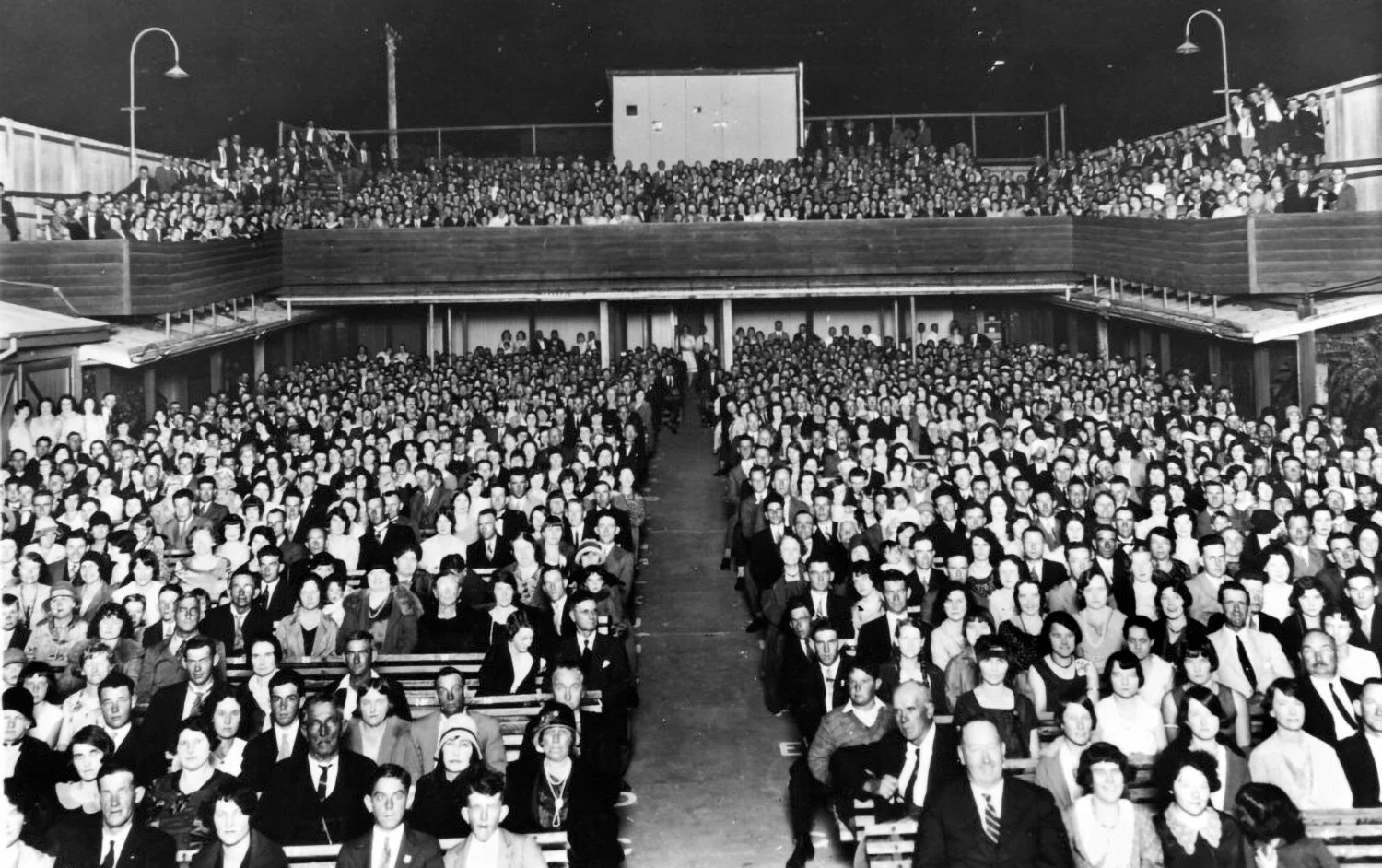
A Shared Culture. Radio, film, sports, and new forms of entertainment increasingly connected Americans through common experiences and public figures.
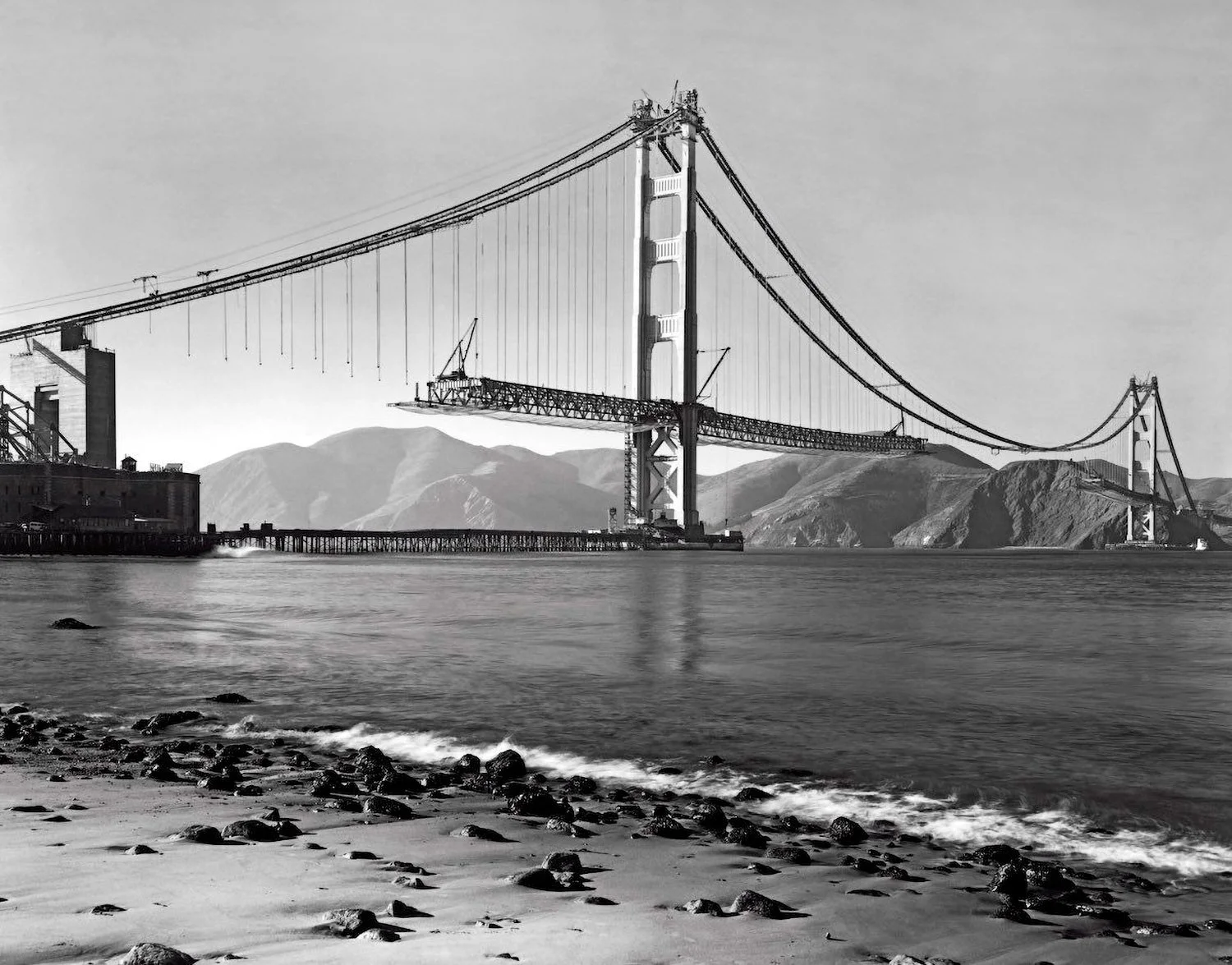
Growth. Growth. Expanding industry, consumer goods, and urban development fueled a period of visible optimism across much of the nation.
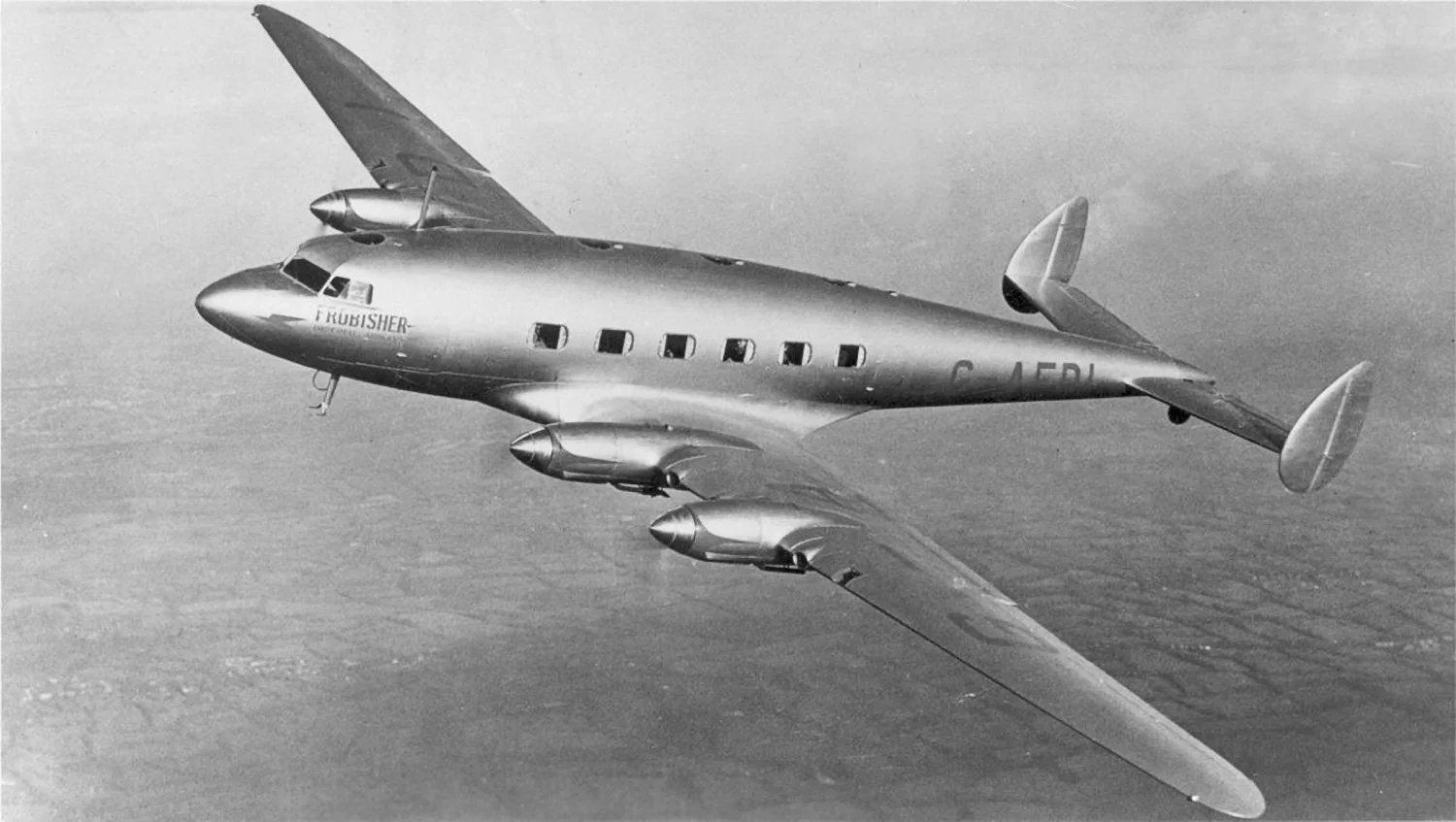
New Possibilities. New technologies and changing social expectations reshaped how many Americans worked, traveled, communicated, and experienced daily life.
Yet beneath the energy and confidence of the decade, deeper vulnerabilities remained.
Prosperity Interrupted
The Great Depression challenged long-held assumptions about growth, opportunity, and the nation's future.
The Great Depression affected nearly every part of American life.
Economic hardship touched cities, farms, families, and communities across the nation. Americans adapted to unemployment, displacement, and uncertainty while searching for stability amid profound economic change.
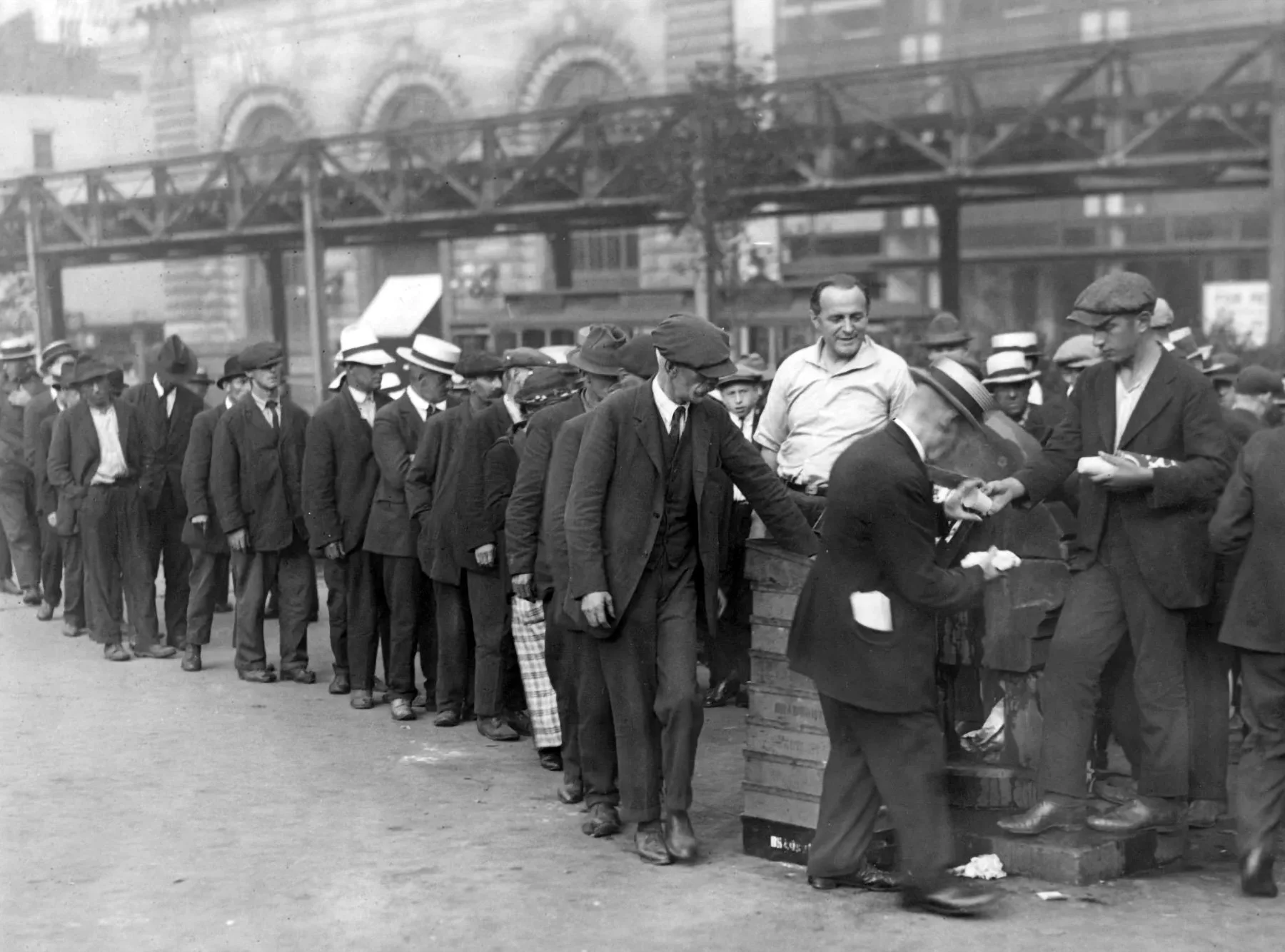
Hardship. Millions of Americans faced unemployment and economic uncertainty as businesses failed and financial systems weakened across the country.
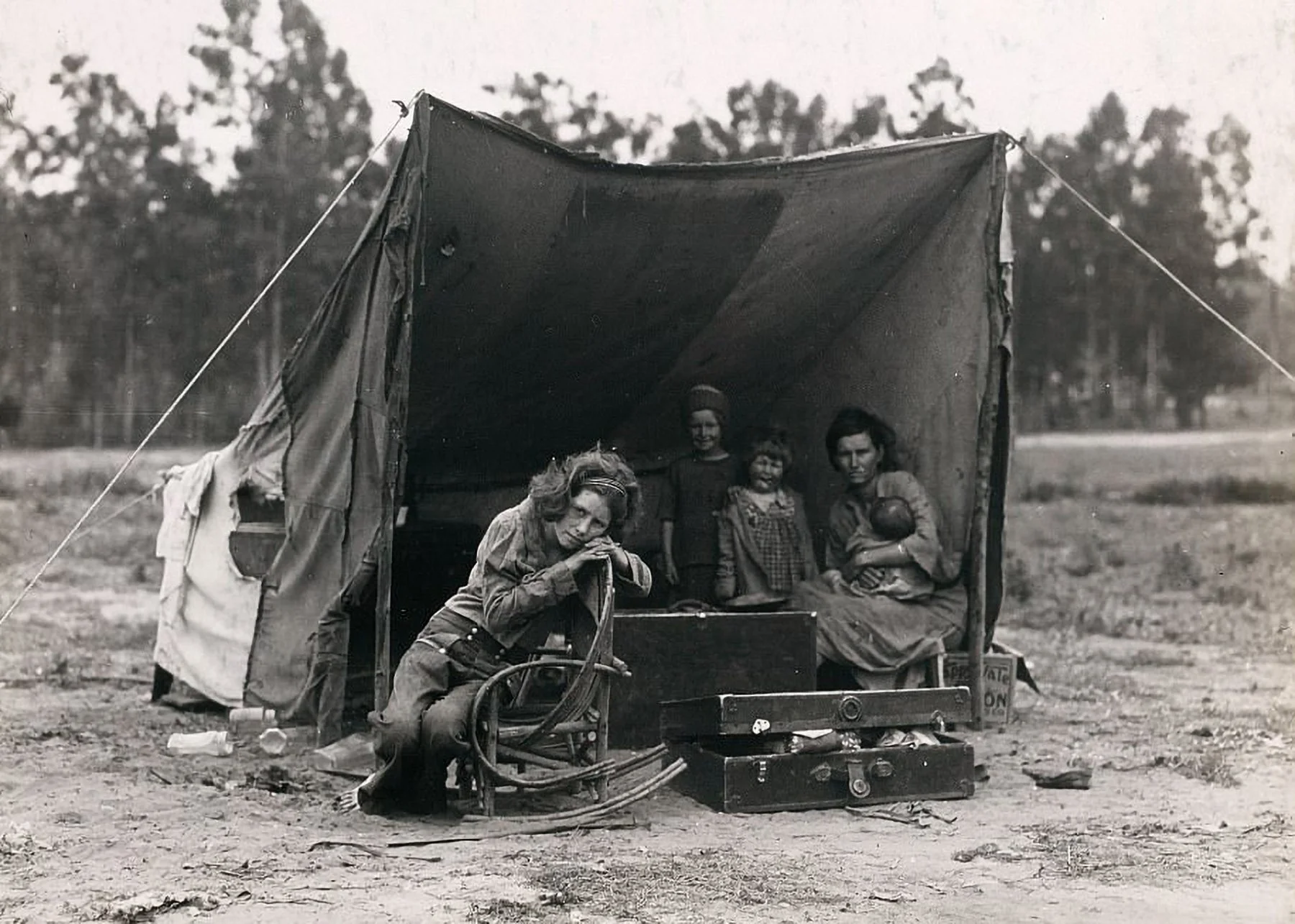
Displacement. Drought, migration, and economic instability forced many families to leave farms and communities in search of work and opportunity elsewhere.
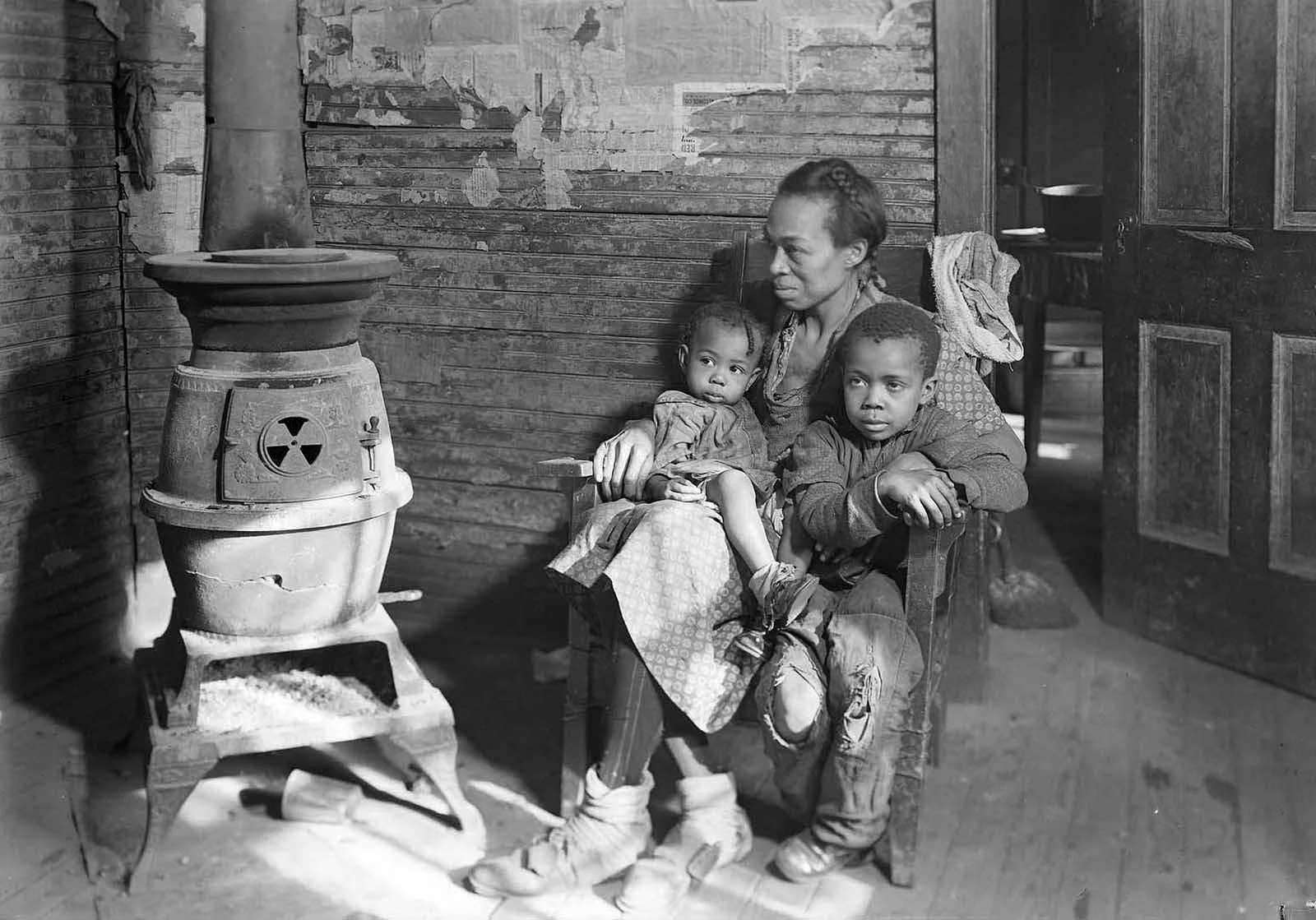
Endurance. Families and communities found new ways to adapt during years marked by uncertainty, scarcity, and resilience.
The scale of the crisis increasingly challenged assumptions about the responsibilities of government and the nation’s ability to respond.
As the decade continued, new programs and public institutions emerged in an effort to stabilize the economy, restore confidence, and respond to needs on a national scale.
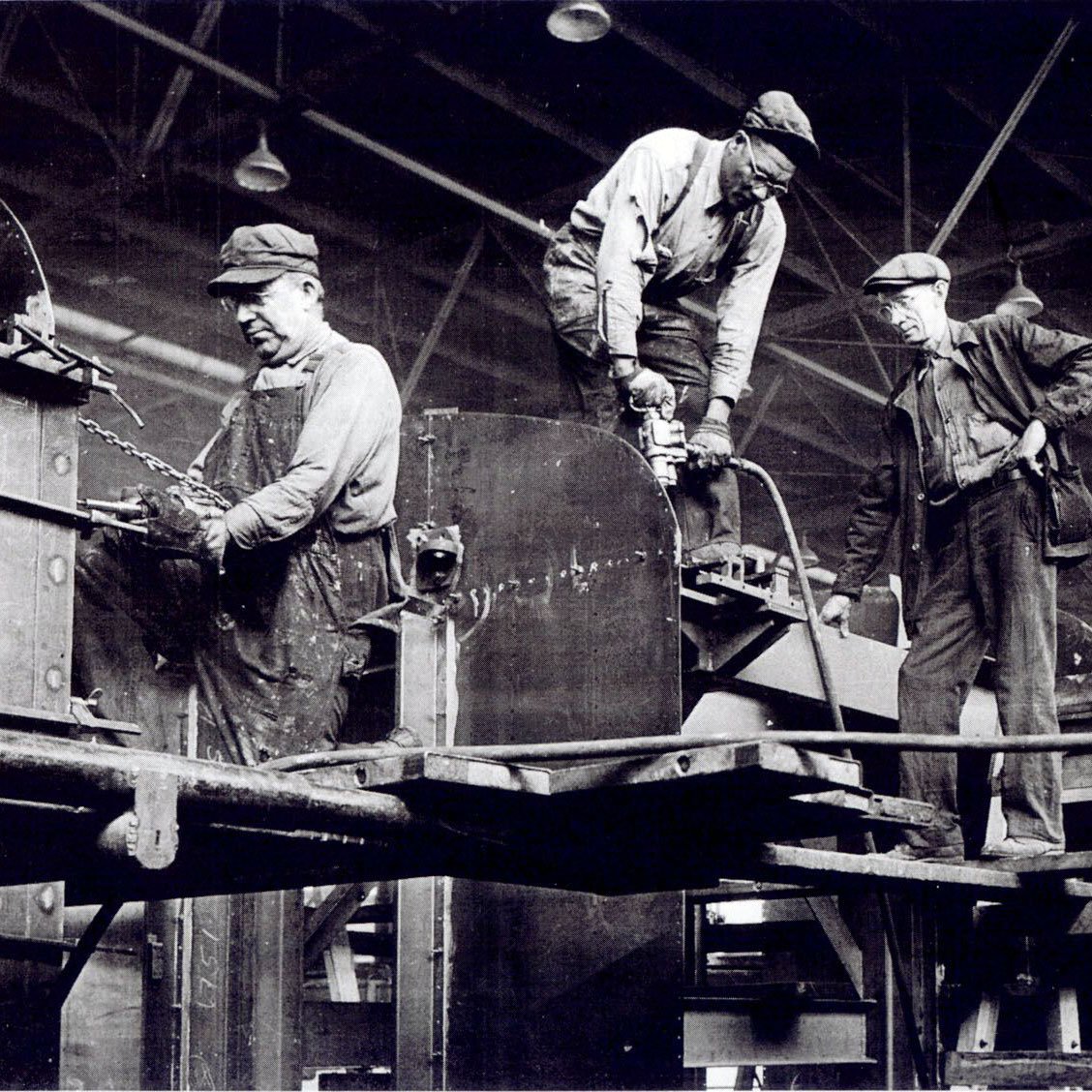
Recovery. By the mid-1930s, economic conditions began to stabilize in many parts of the country, though recovery remained uneven and incomplete.
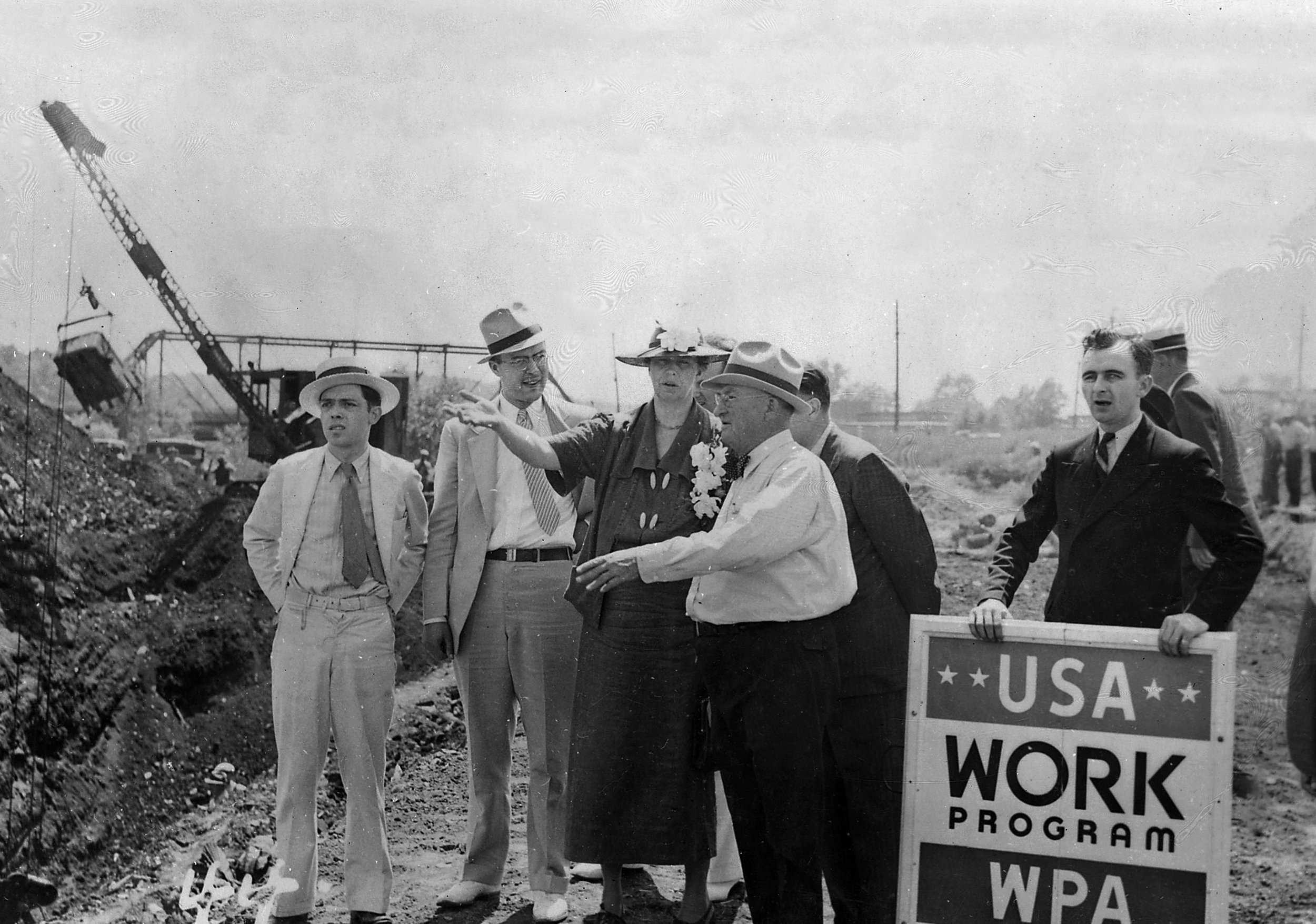
Public Works. New Deal programs supported infrastructure projects, conservation efforts, and public employment across the United States.
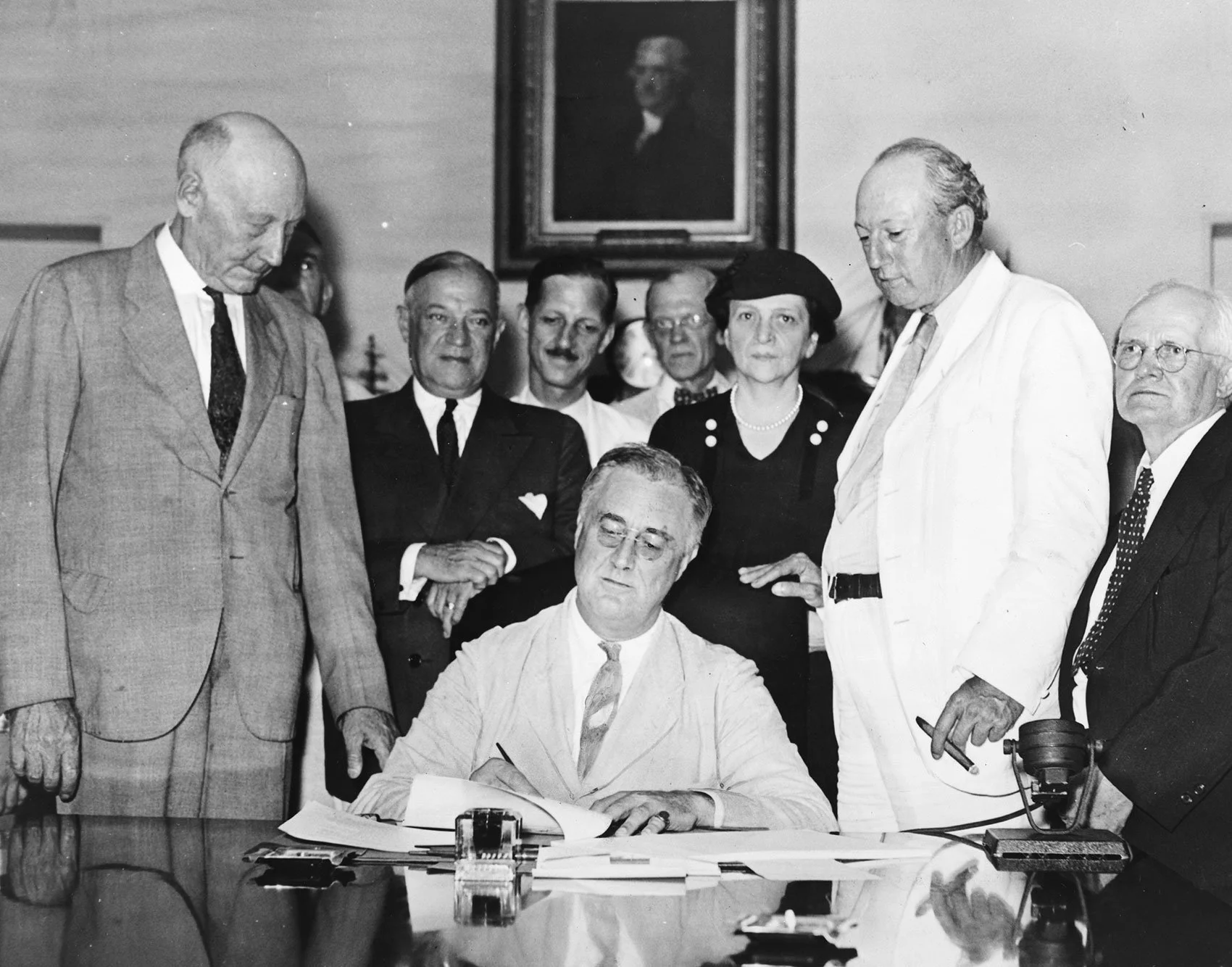
Social Security. The Social Security Act of 1935 established a federal program intended to provide economic security for older Americans and other vulnerable populations.
Franklin Roosevelt
32nd President of the United States (1933–1945)
Franklin Roosevelt guided the nation through two of the greatest challenges in its history: the Great Depression and the Second World War.
His administration expanded the role of the federal government, redefined public expectations of national leadership, and helped define America's response to crisis at home and abroad.
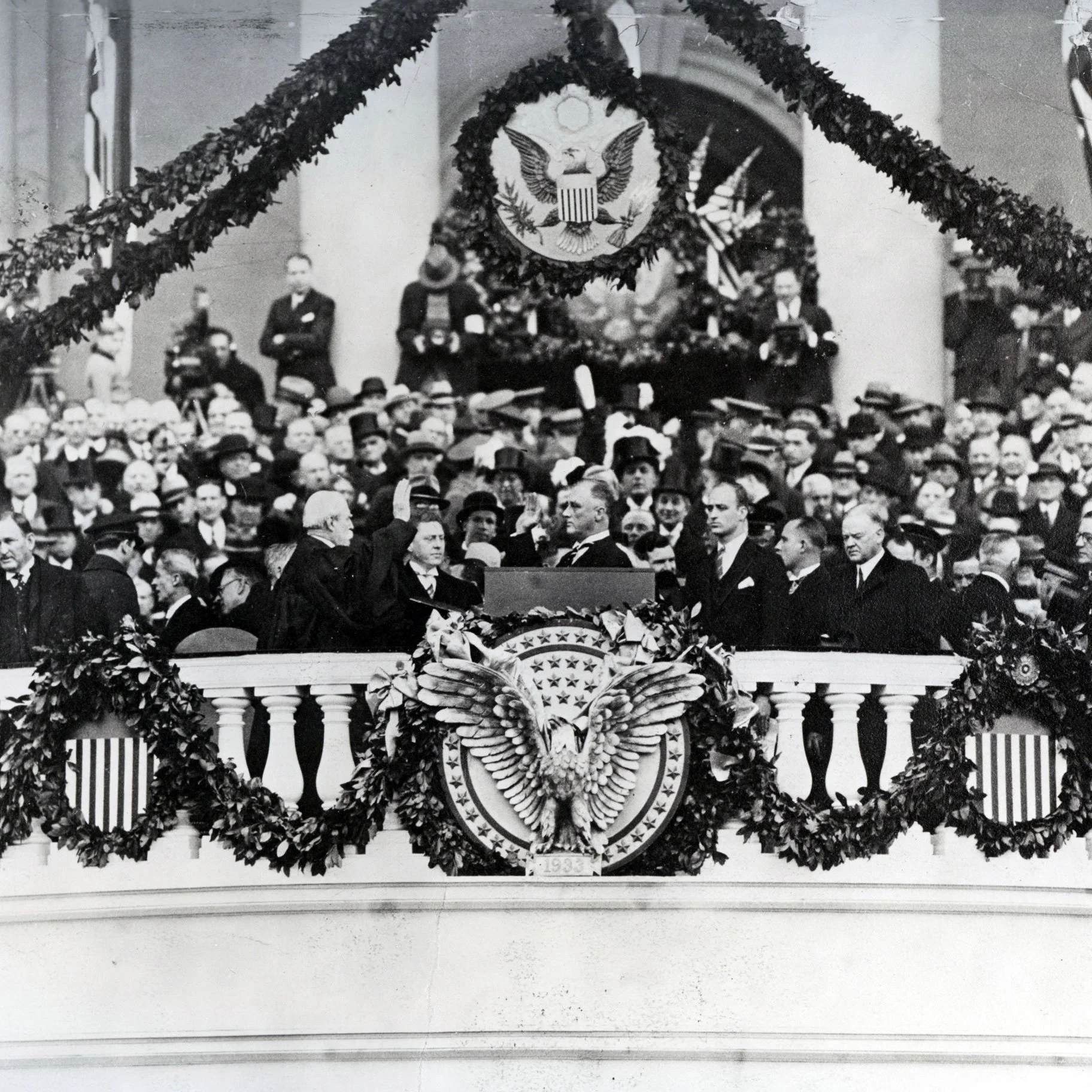
Leadership in Crisis. When Franklin Roosevelt took office in 1933, the nation faced economic hardship on a scale few Americans had experienced. His administration sought to restore confidence while confronting unemployment, bank failures, and widespread uncertainty.
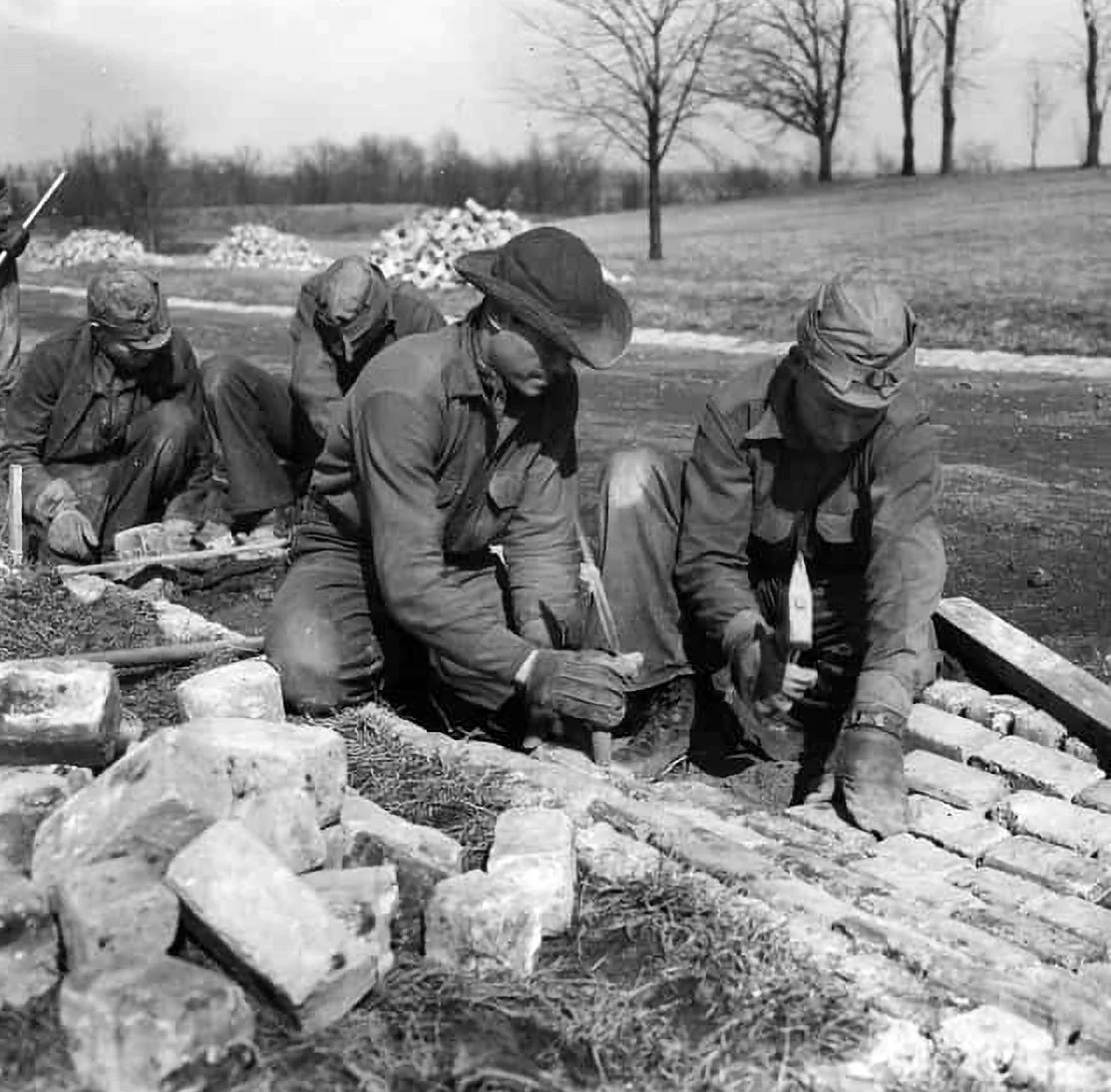
The New Deal. New Deal programs supported public works, conservation projects, financial reforms, and economic recovery efforts that reshaped the relationship between citizens and the federal government.
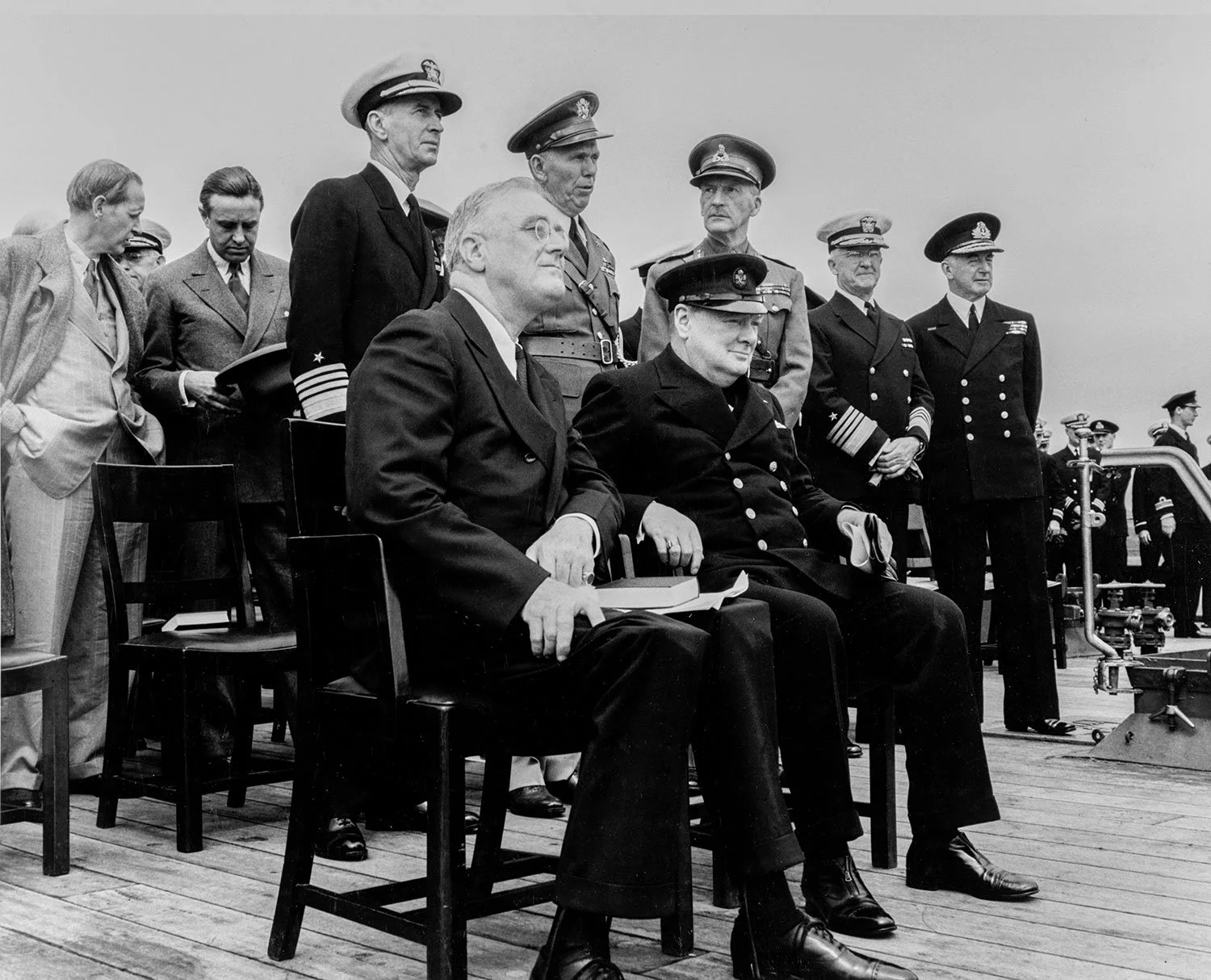
Commander in Chief. As war spread across the globe Roosevelt helped guide the nation from recovery to wartime mobilization, leading the United States through most of the Second World War.
The Fireside President
For millions of Americans, Franklin Roosevelt became a steady national presence during years of economic hardship, global conflict, and profound change.
As Roosevelt's presidency continued, the nation's attention increasingly extended beyond its own borders.
While recovery remained an unfinished task at home, events in Europe and Asia were reshaping the international landscape. Authoritarian governments expanded their influence, conflict spread across continents, and the prospect of another global war grew more difficult to ignore.
The question facing the United States was no longer simply how to rebuild—but what role it would play in an increasingly unstable world.
A Gathering Storm
While recovery continued at home, war overseas increasingly challenged America's hope of remaining apart from the conflict.
The Second World War demanded a level of national mobilization unlike anything the United States had previously experienced.
Millions served in uniform. Factories, shipyards, farms, and communities became part of a national effort that reached across the globe.
The war touched nearly every aspect of American life, altering industry, technology, and the relationship between citizens and the nation they served.
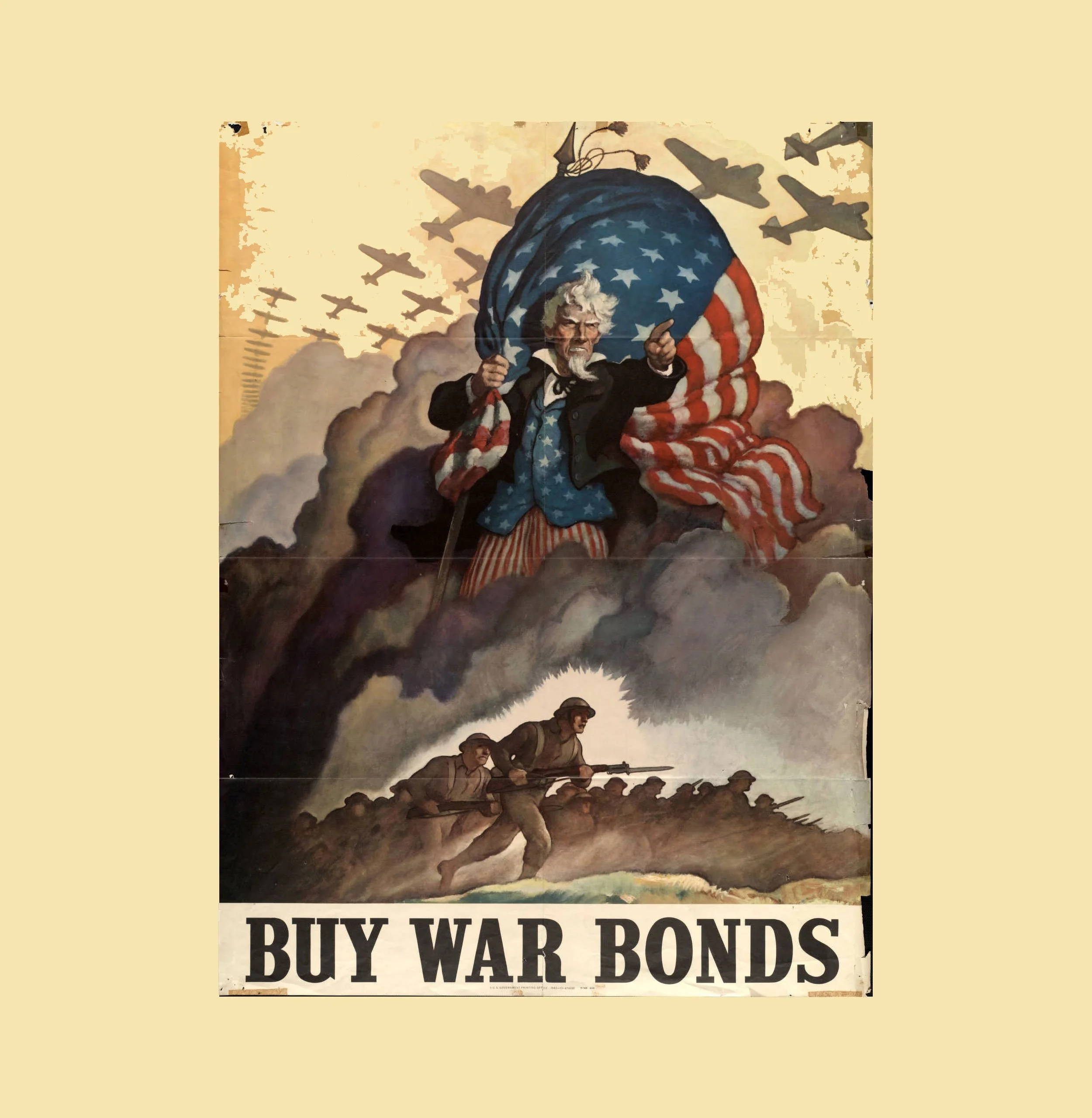
The Home Front. The war effort extended far beyond the battlefield. Families purchased war bonds, conserved resources, and adapted to a nation mobilized for war.
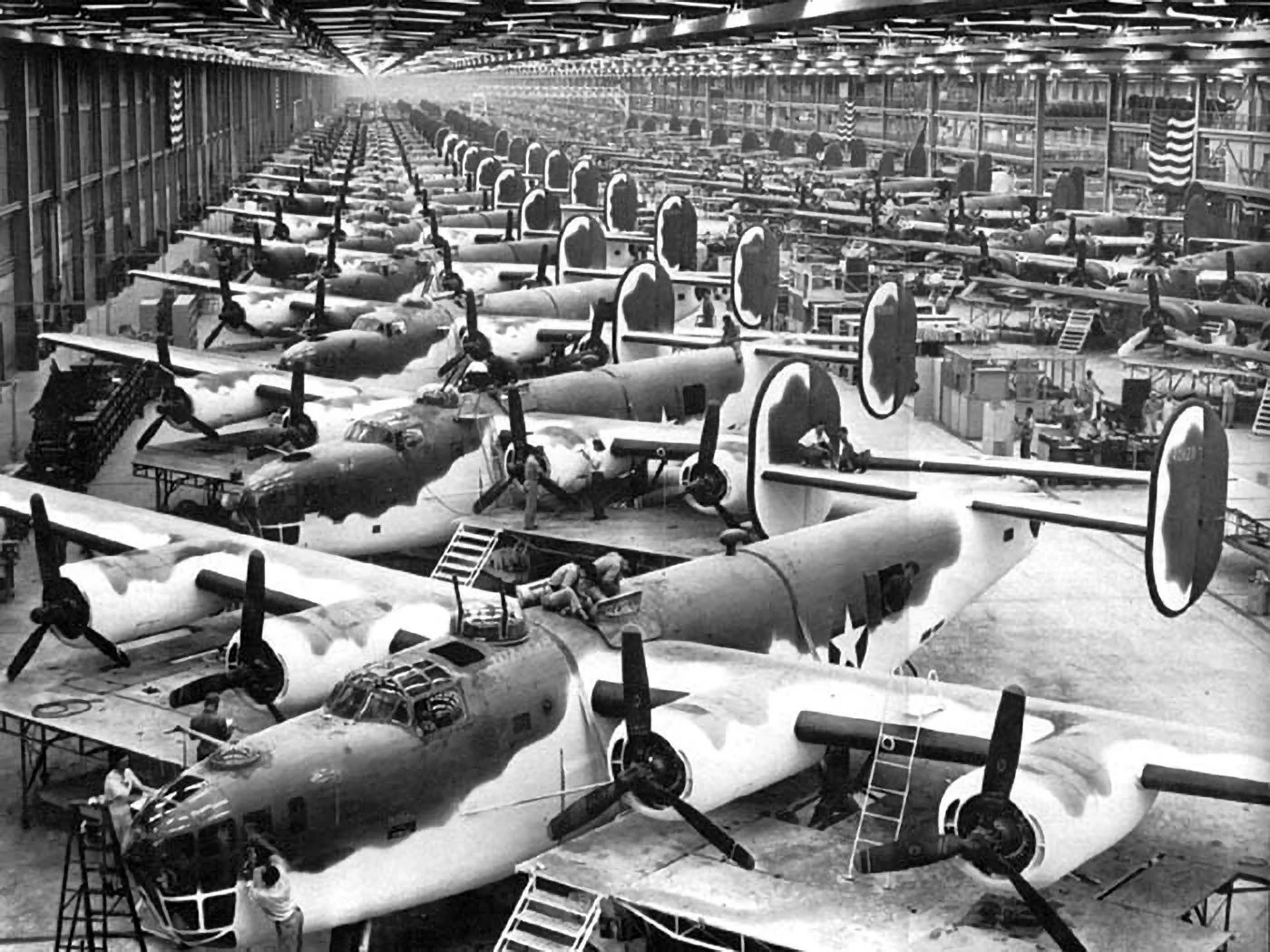
Arsenal of Democracy. American factories and shipyards operated on an unprecedented scale, producing aircraft, ships, vehicles, and supplies that supported Allied operations around the world.
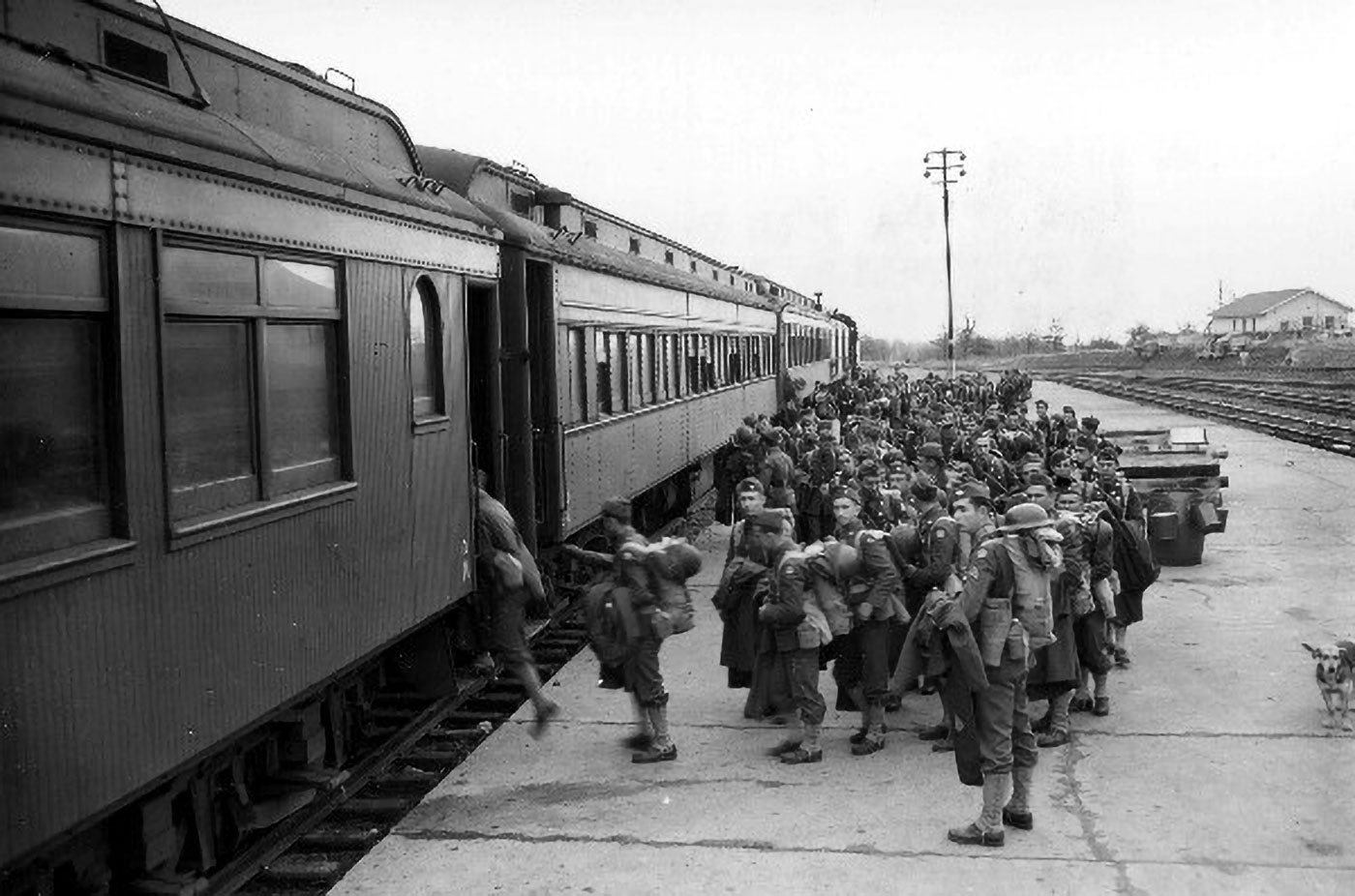
Service. More than sixteen million Americans served during the war. Their experiences spanned continents and oceans, connecting the nation to a truly global conflict.
The war would ultimately be decided on distant battlefields.
Its outcome would influence not only the postwar world—but the responsibilities the United States would carry within it.
Turning the Tide
(1942–1945)
By 1942, the war had become truly global.
Battles were fought across oceans, deserts, forests, and cities. Over the next three years, a series of campaigns gradually shifted the momentum of the war and brought the Allies closer to victory.
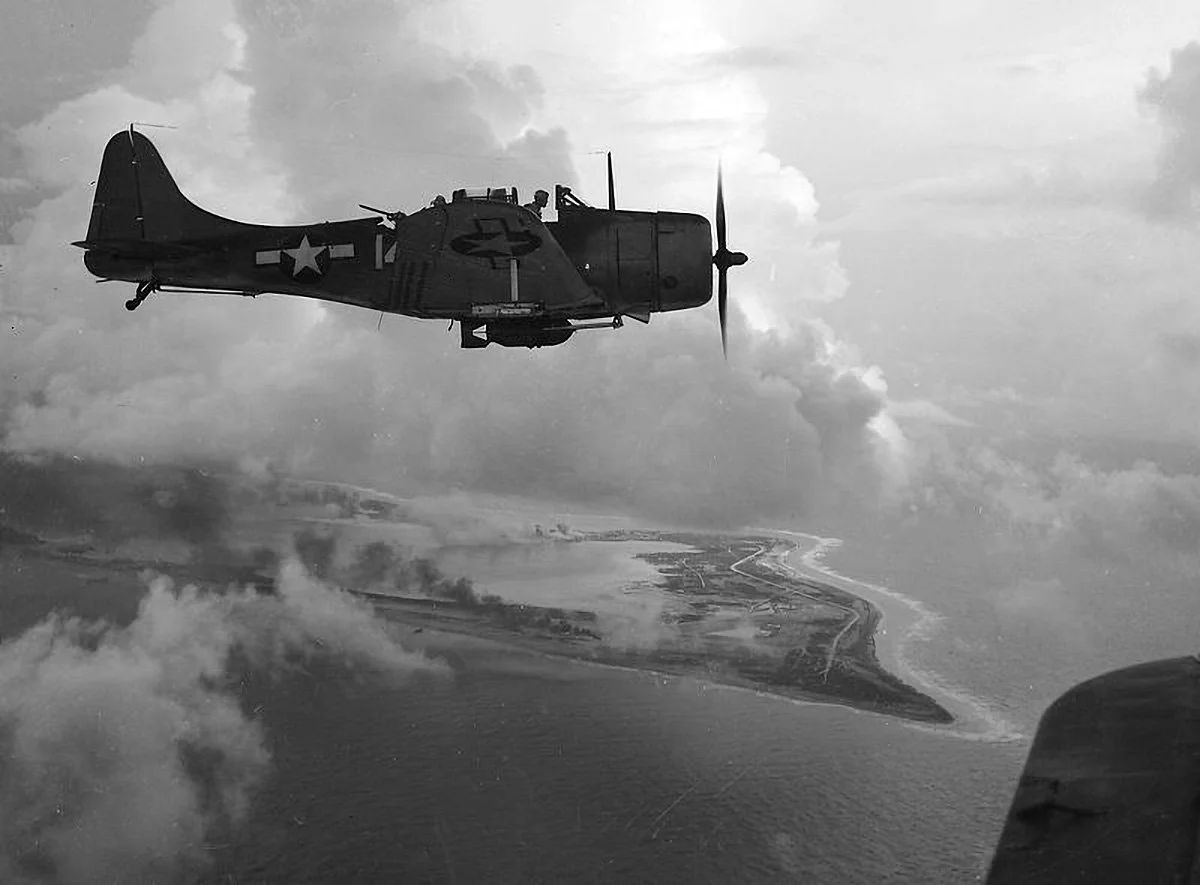
Midway. The Battle of Midway in June 1942 halted Japanese expansion in the Pacific and marked a decisive turning point in the war.
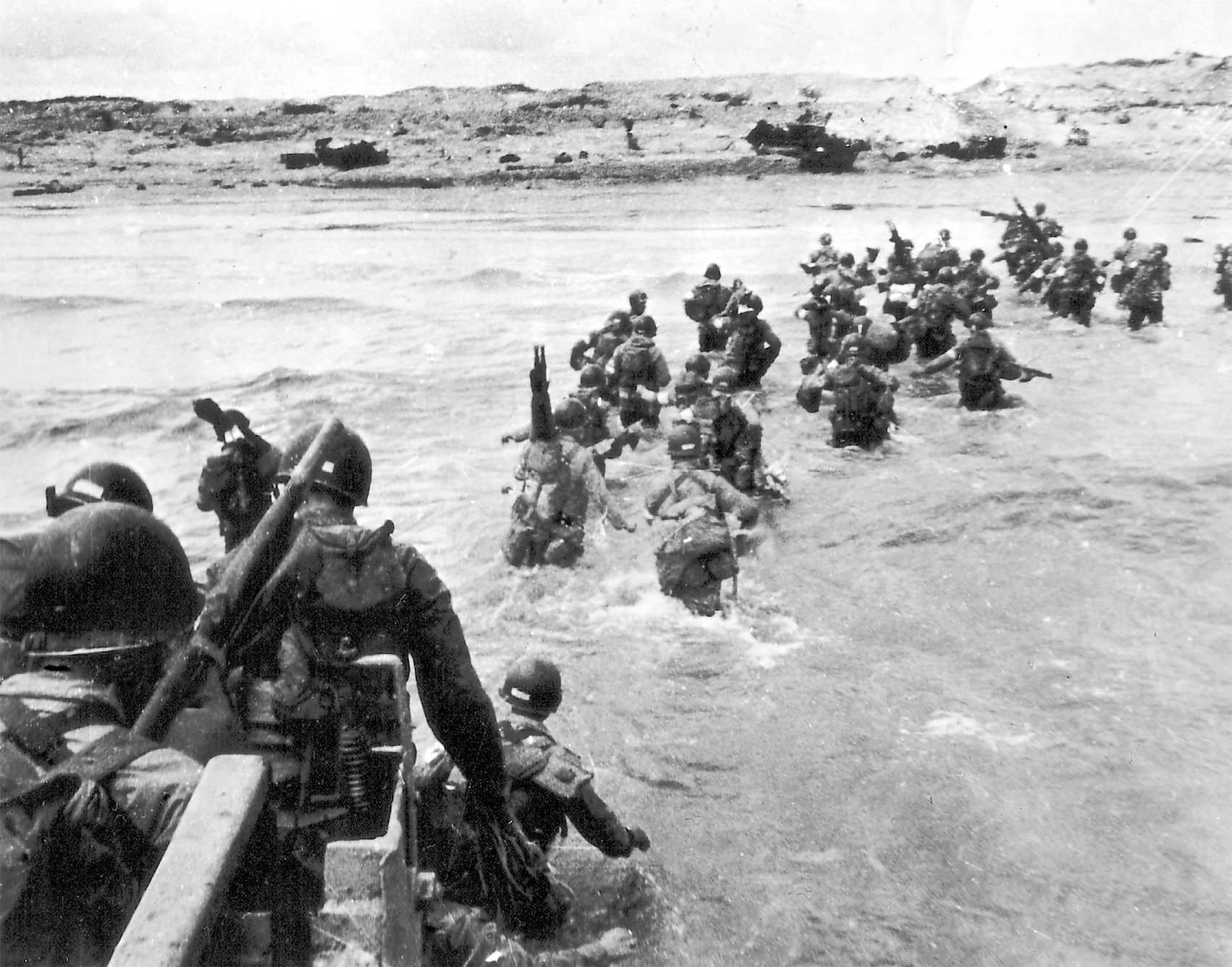
Normandy. On June 6, 1944, Allied forces landed in Normandy, opening a western front that accelerated the liberation of Europe.
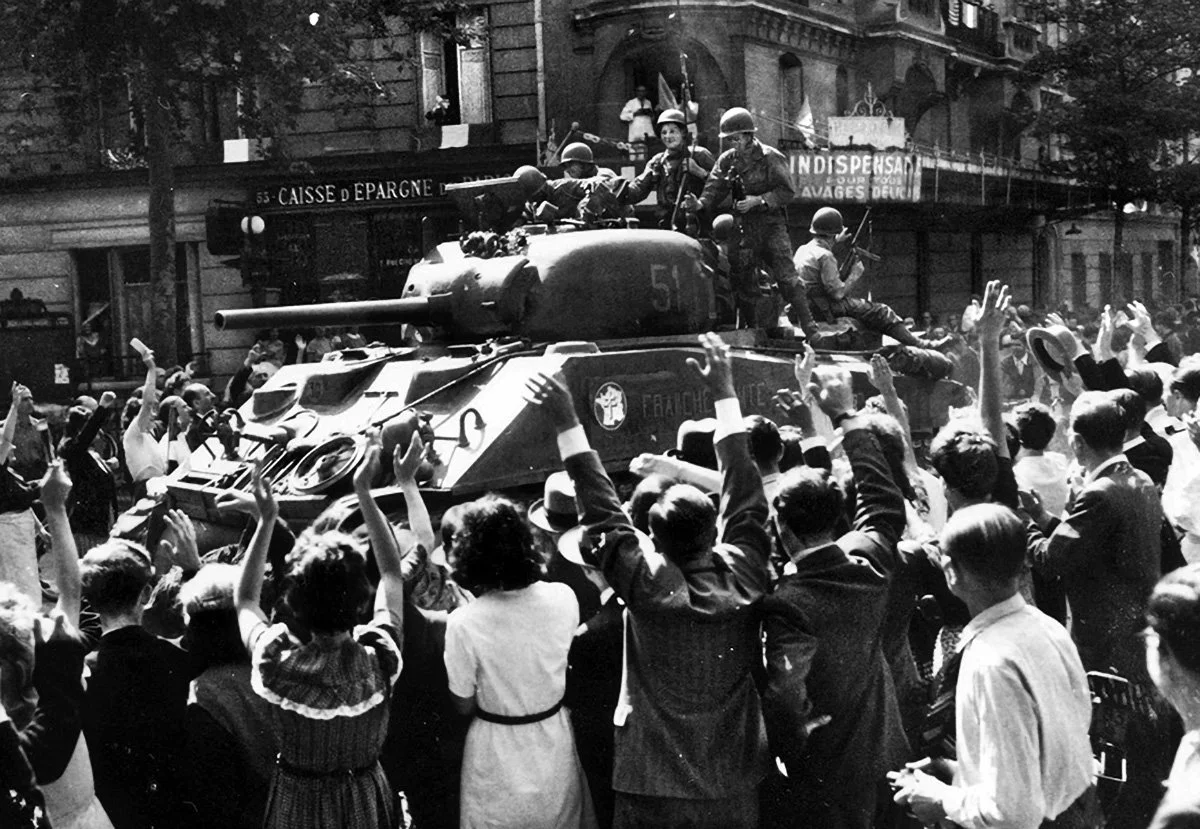
Liberation. As Allied forces advanced across Europe, they liberated occupied territories and uncovered evidence of atrocities committed during the Holocaust—revealing the human cost of dictatorship, war, and genocide.
By 1945, the outcome of the war was becoming increasingly clear.
Across Europe and the Pacific, Allied forces advanced toward victory. Yet even before the fighting ended, attention began to turn toward what would follow.
The war had reshaped nations, economies, and lives on a global scale. The challenge ahead would become not simply winning the peace—but building the world that followed.
Victory and Responsibility
The end of the Second World War brought relief and celebration, but it also marked the beginning of a new era in which the United States assumed a larger role in shaping the postwar world.
The end of the war brought relief, optimism, and a period of remarkable economic growth.
Millions of veterans returned home. New industries expanded, suburbs grew, and rising prosperity reshaped daily life for many Americans.
Yet the peace proved more complex than many had imagined. Even as reconstruction began, new rivalries were emerging that would define the second half of the twentieth century.
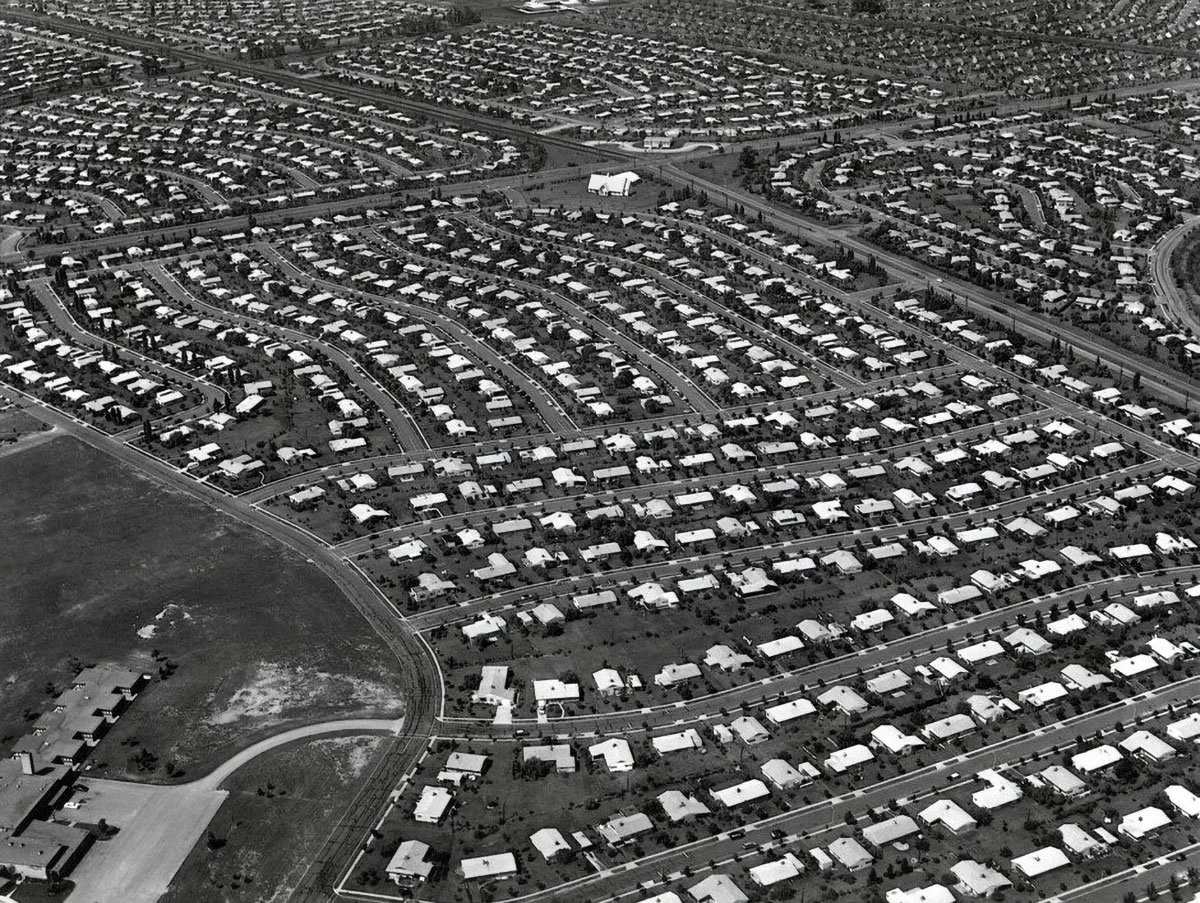
Prosperity. The years following the Second World War brought unprecedented economic growth. Expanding industries, rising incomes, and broader access to housing, education, and consumer goods reshaped daily life for millions of Americans.
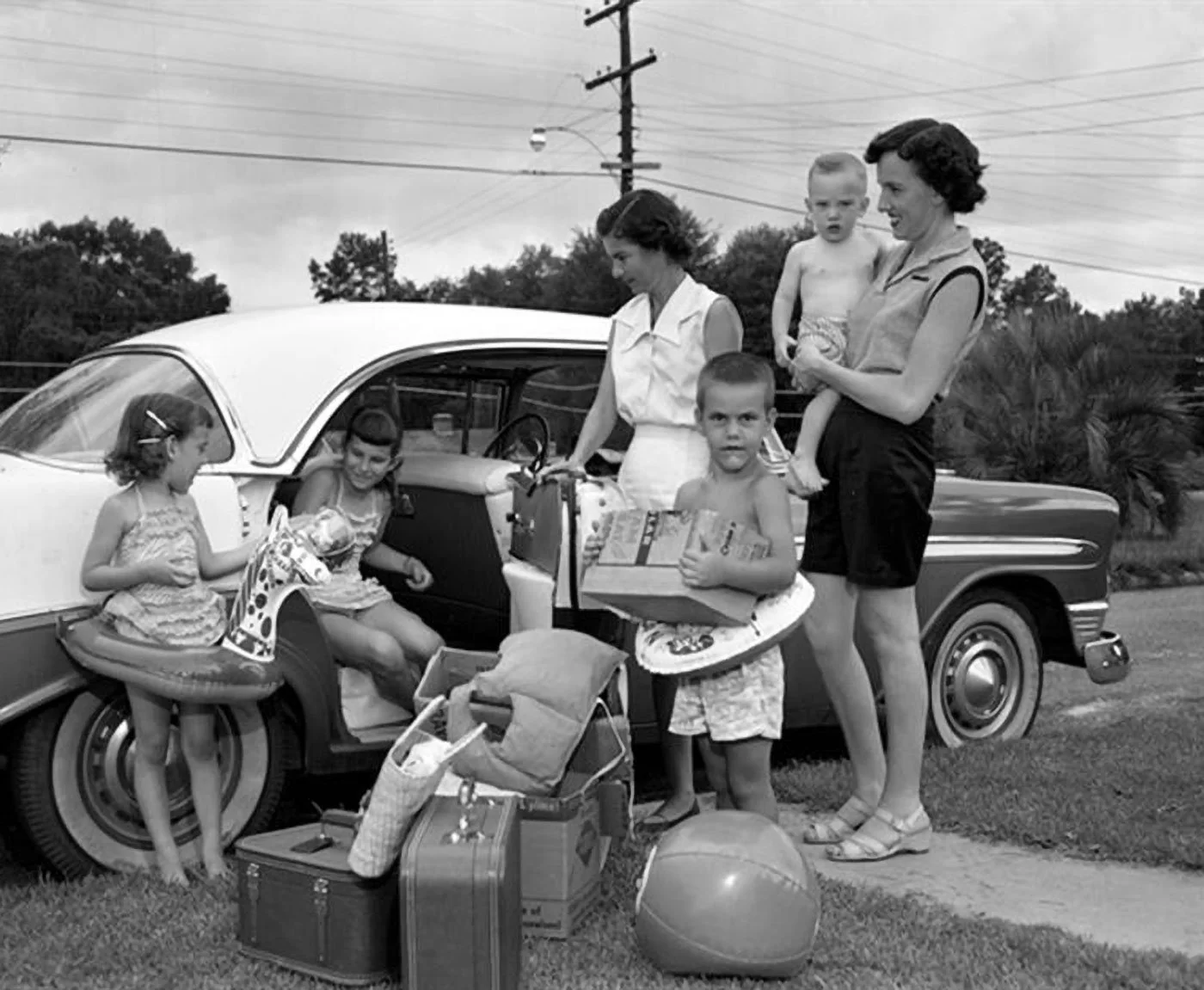
Mobility. Automobiles, expanding highways, and new patterns of development reshaped the American landscape. Growing mobility connected communities, supported commerce, and helped define postwar life.
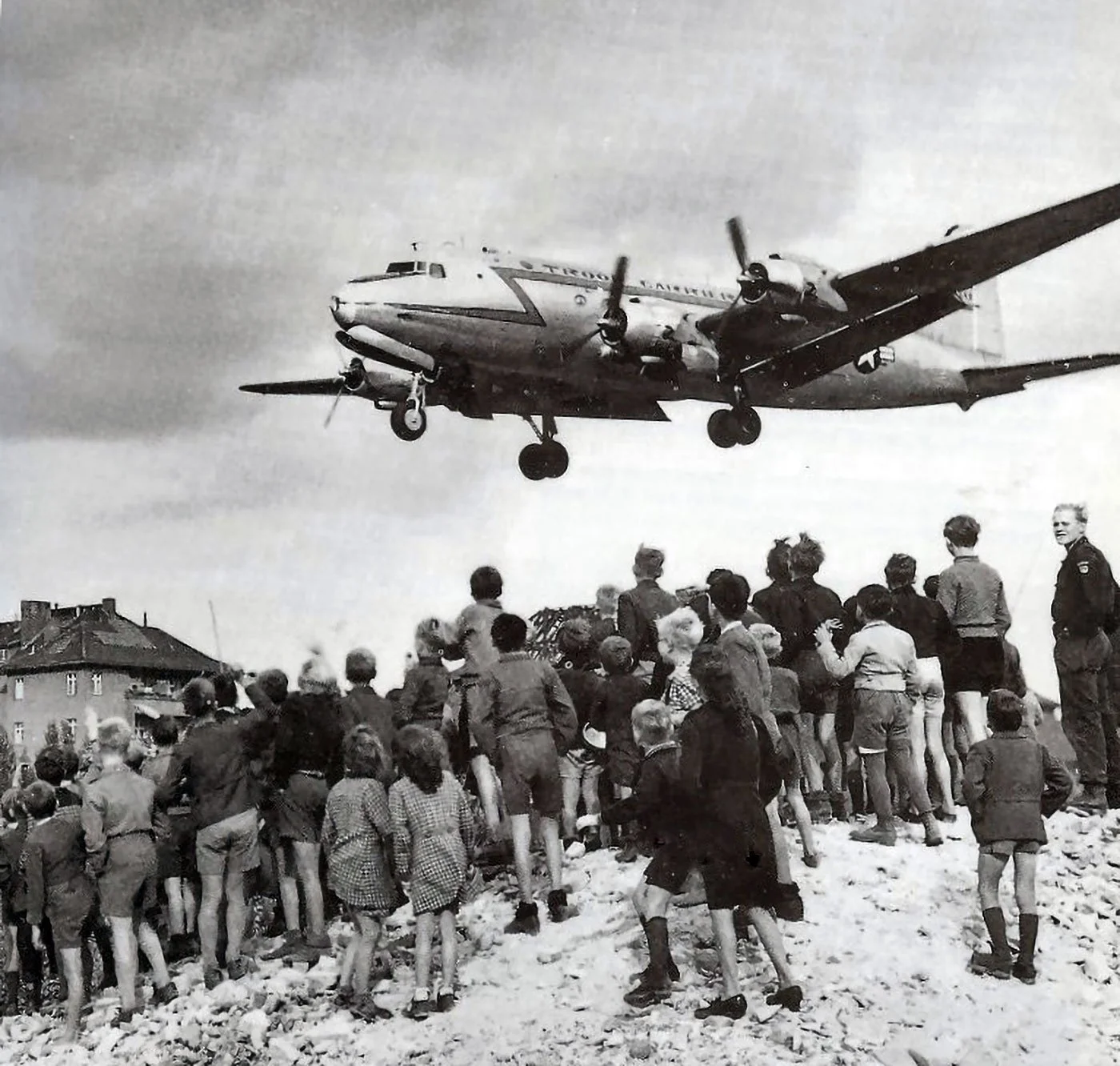
A New World. While prosperity expanded at home, international tensions continued abroad. The United States assumed a larger role in global affairs as new alliances, institutions, and rivalries shaped the early Cold War.
The postwar years brought growth, stability, and renewed confidence. They also brought new responsibilities at home and abroad, shaping the environment in which the nation would confront the challenges of the Cold War.
Dwight Eisenhower
34th President of the United States (1953–1961)
Dwight Eisenhower entered the presidency during a period of economic growth, technological change, and international tension.
A former Supreme Allied Commander during the Second World War, Eisenhower guided the nation through the early Cold War while overseeing a period of stability, prosperity, and major investments in national infrastructure.
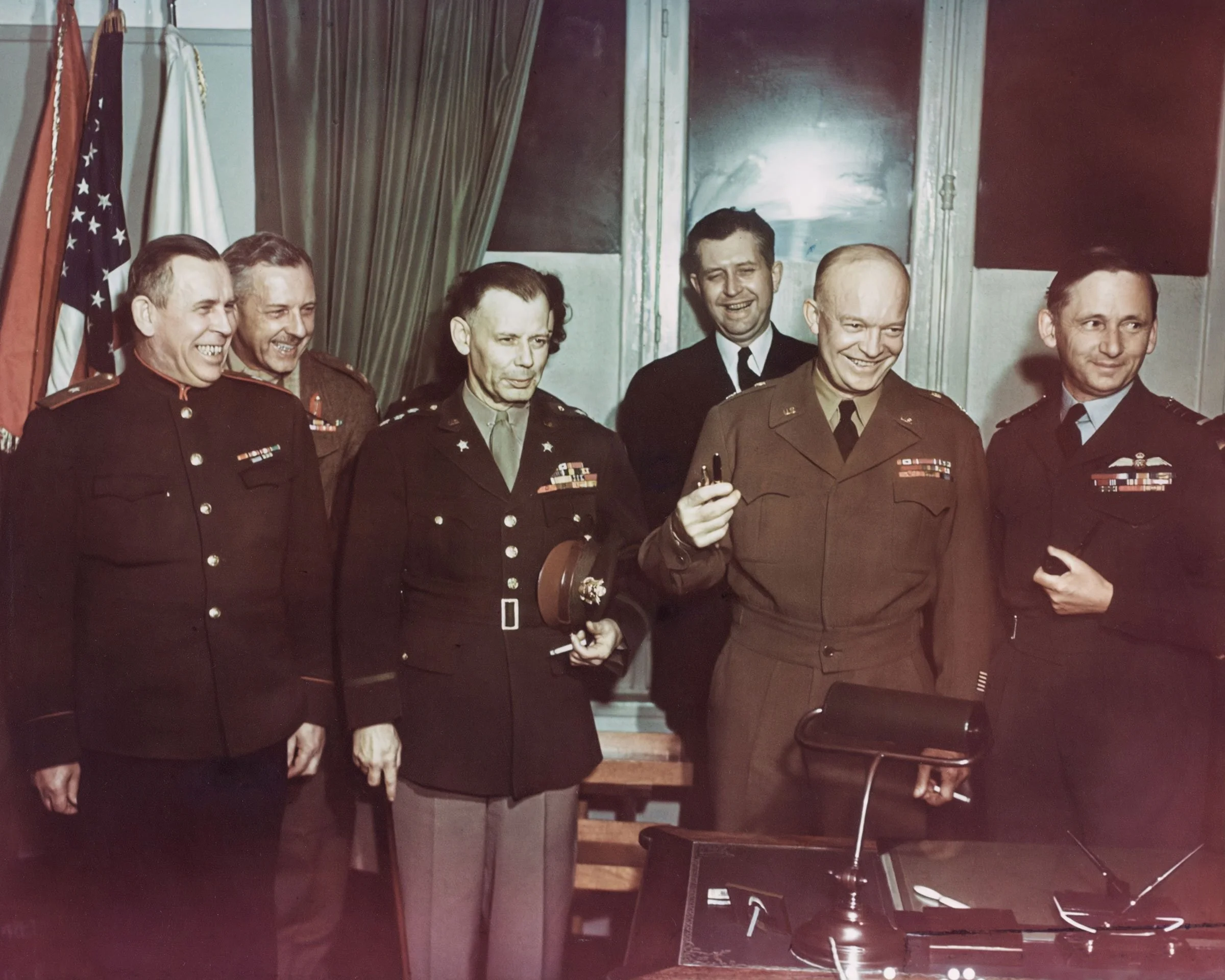
Leadership. Eisenhower brought to the presidency a military leader’s understanding of organization, alliances, and the costs of war—experience that would shape his approach to governing.
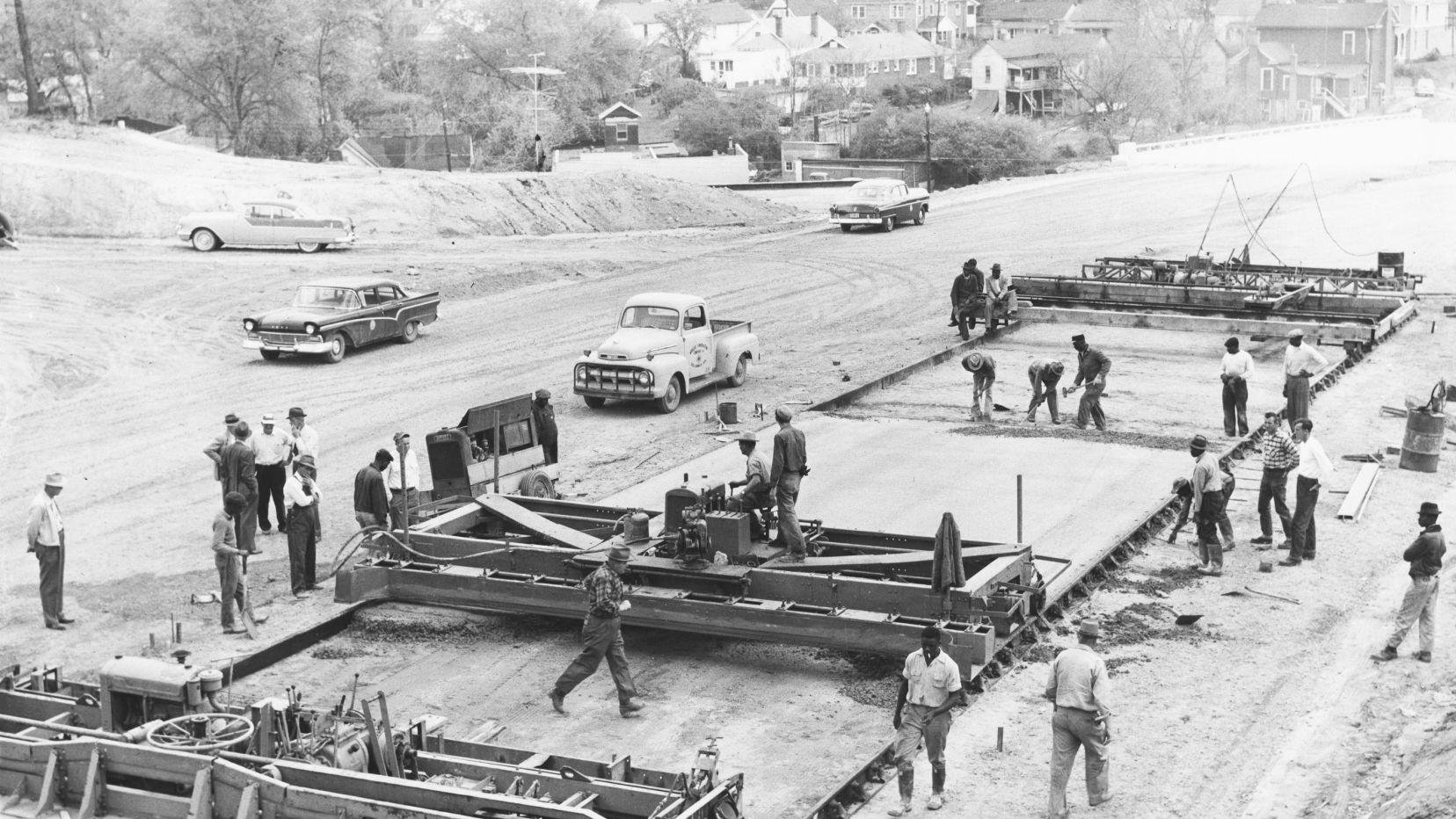
The Interstate System. The Federal-Aid Highway Act of 1956 launched the Interstate Highway System, one of the largest infrastructure projects in American history, transforming transportation, commerce, and daily life.
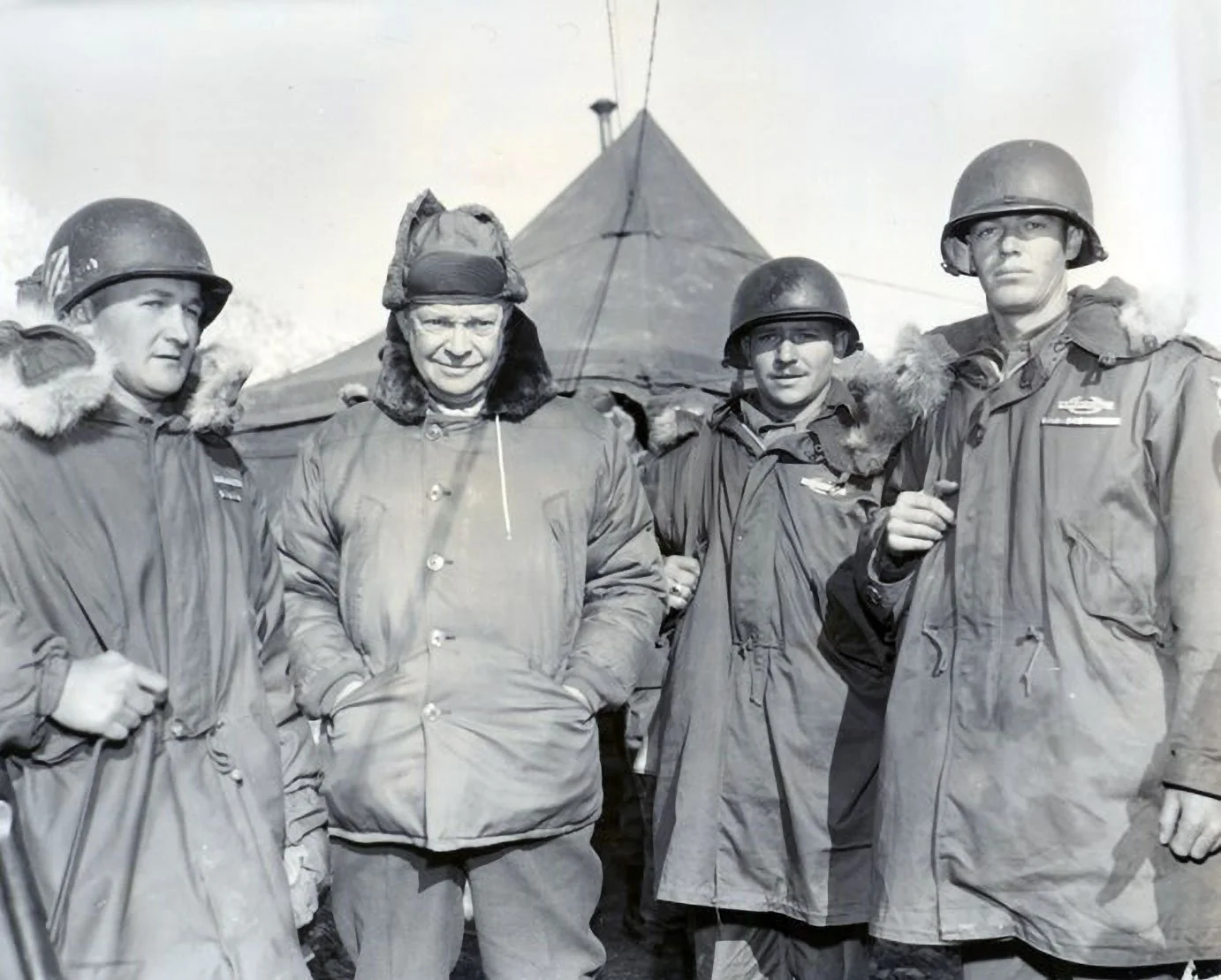
Cold War President. Eisenhower balanced military preparedness with caution, navigating international crises while seeking to avoid direct conflict between nuclear powers.
A Divided World
The Eisenhower years brought growth, stability, and renewed confidence, even as the Cold War reshaped America's role in an increasingly interconnected world.
A More Perfect Union?
(1954–1968)
Even as the nation experienced prosperity and growing global influence, many Americans continued to challenge inequalities that remained part of everyday life.
Through court decisions, peaceful protest, grassroots activism, and political action, the Civil Rights Movement sought to expand the promises of citizenship and equal protection under the law.
The struggle would reshape the nation and redefine the meaning of freedom for a new generation.
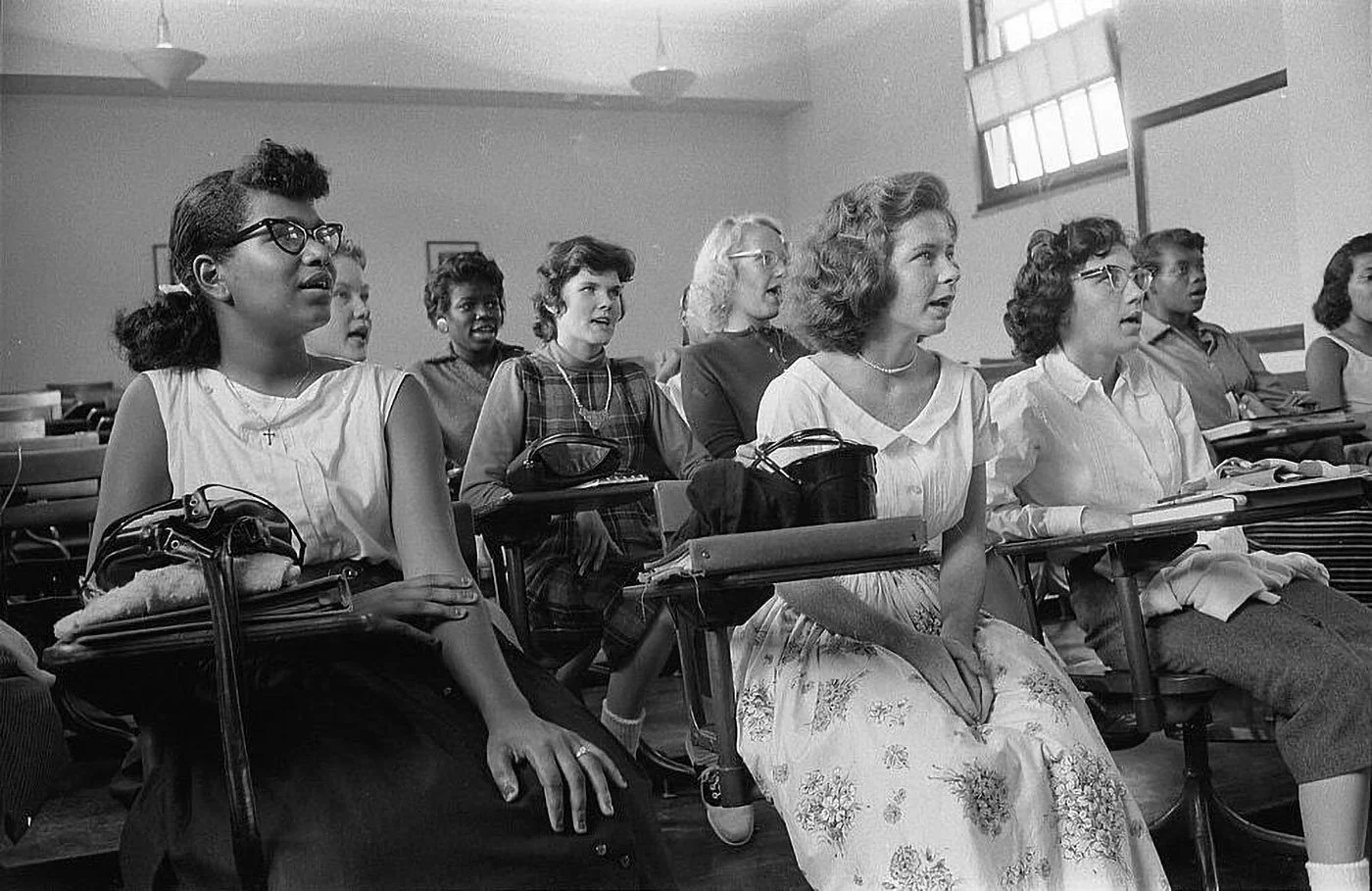
Brown v. Board of Education. In 1954, the Supreme Court ruled that racial segregation in public schools violated the Constitution, overturning the doctrine of "separate but equal."

Montgomery Bus Boycott. Sparked by Rosa Parks and sustained by local activists, the Montgomery Bus Boycott demonstrated the power of organized nonviolent protest.
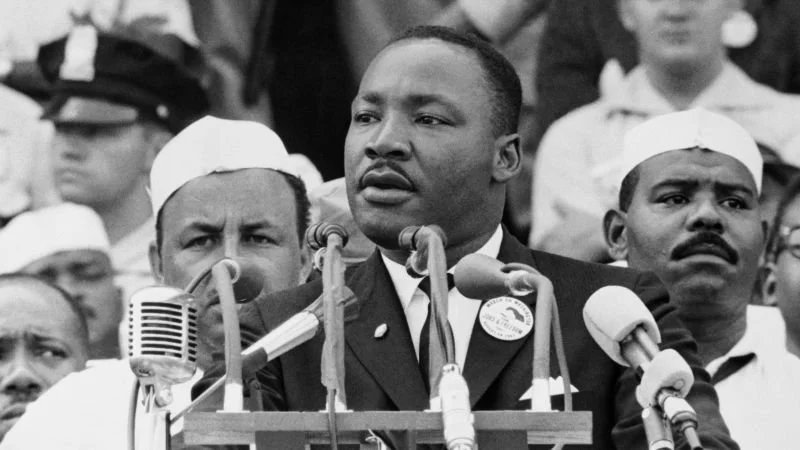
March on Washington. In 1963, hundreds of thousands gathered in Washington, D.C., where Martin Luther King Jr. delivered his "I Have a Dream" speech before the Lincoln Memorial.
The milestones of the Civil Rights Movement reflected a broader effort taking place in communities across the nation.
In courtrooms, churches, schools, and public spaces, Americans challenged longstanding barriers while calling upon the nation to more fully embrace its founding ideals.
A More Perfect Union
Through courage, civic engagement, and determined activism, Americans helped expand the promises of liberty, equality, and citizenship during one of the most consequential movements in the nation's history.
The 1960s became a period of remarkable achievement and profound change.
New leaders inspired hope, public engagement expanded, and important progress continued across many areas of American life. Yet the decade would also be marked by moments of tragedy and national loss that tested the country's confidence and sense of purpose.
A Nation Tested
(1963–1968)
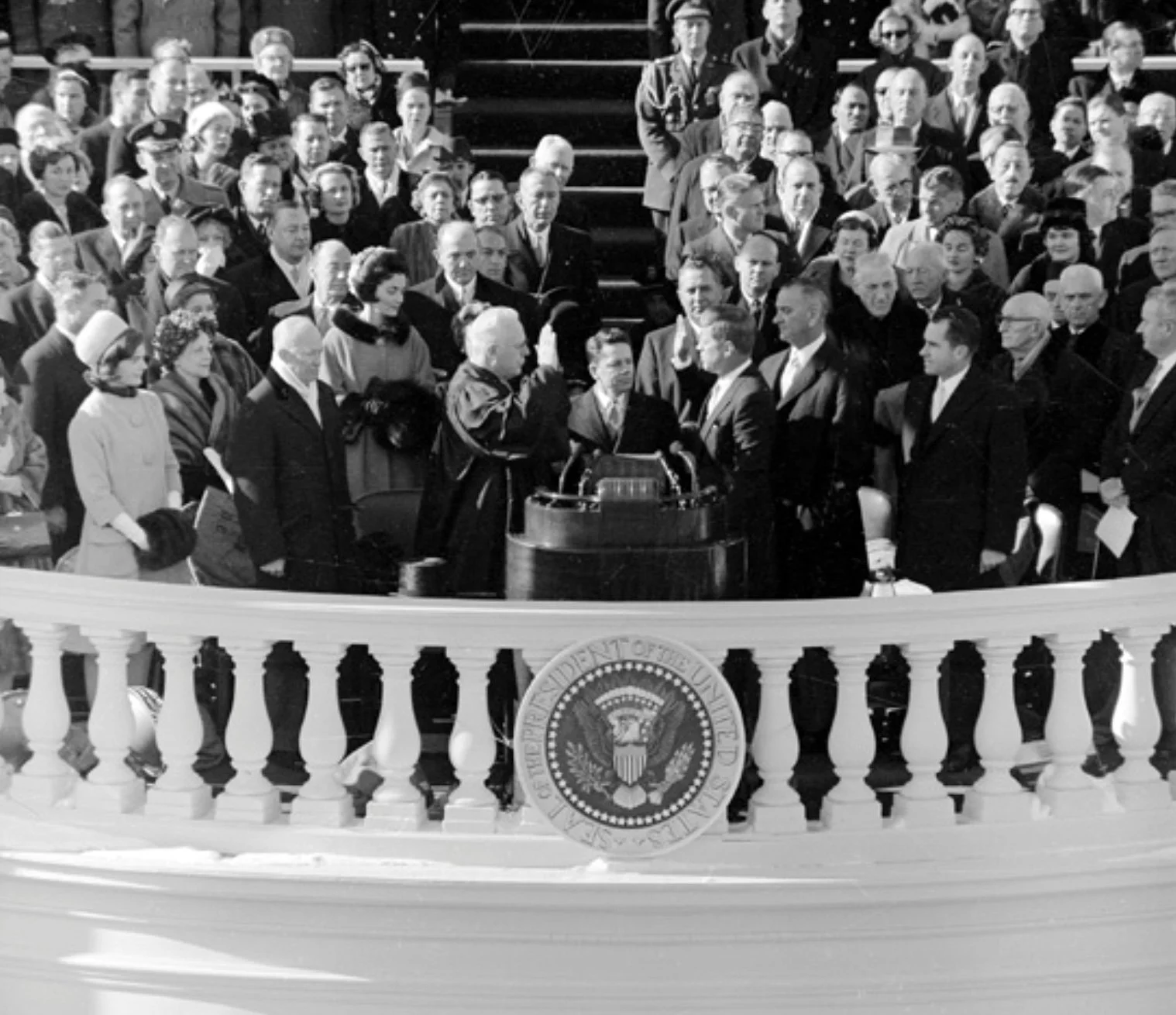
John F. Kennedy. Kennedy's presidency inspired optimism and public service. His administration confronted the Cuban Missile Crisis, expanded the nation's commitment to space exploration, and renewed attention to civil rights. His assassination in 1963 shocked the nation.
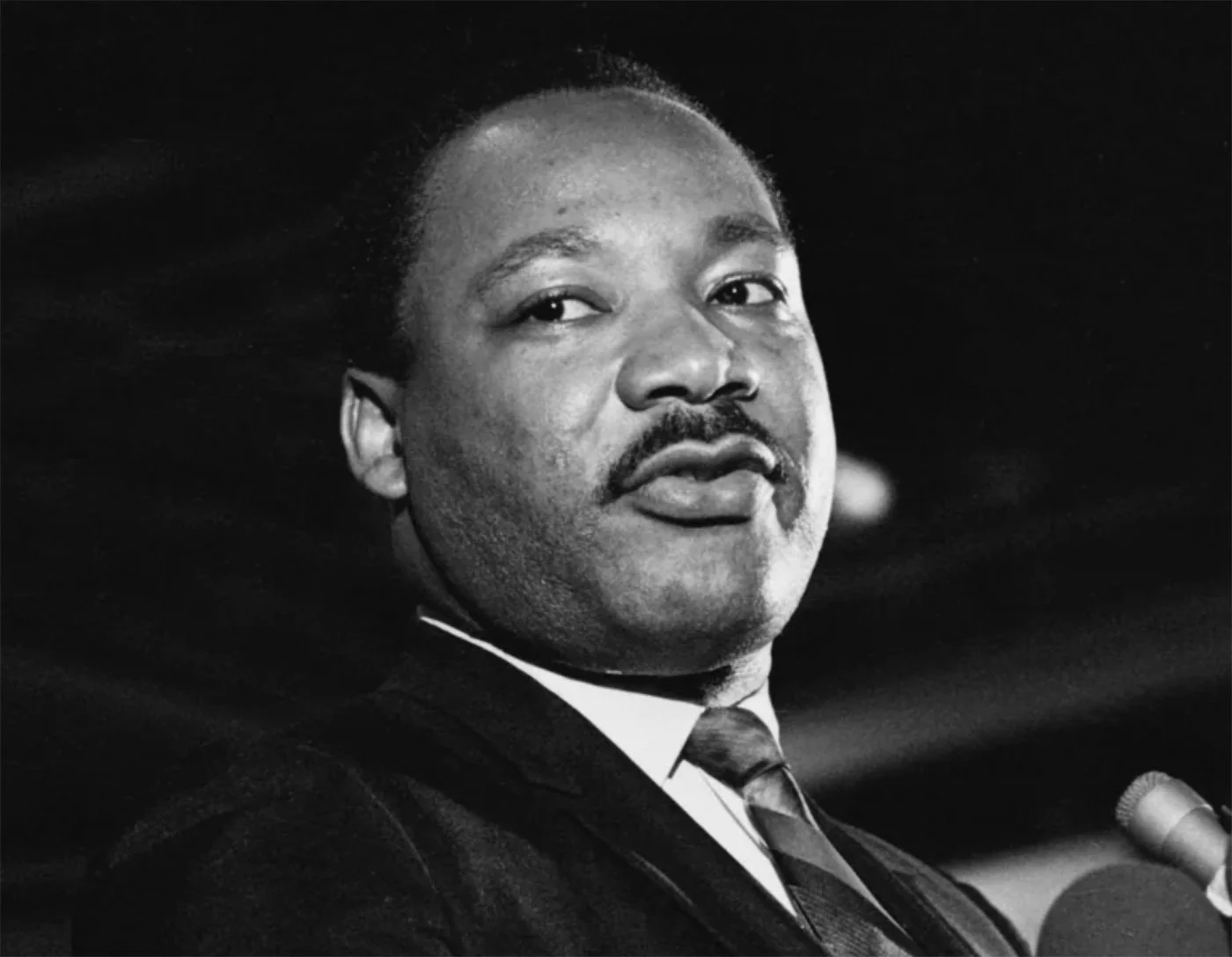
Martin Luther King Jr. Martin Luther King Jr. became one of the most influential voices of the Civil Rights Movement, advocating nonviolent change and helping bring national attention to issues of equality and justice. His leadership contributed to landmark civil rights legislation before his assassination in 1968.
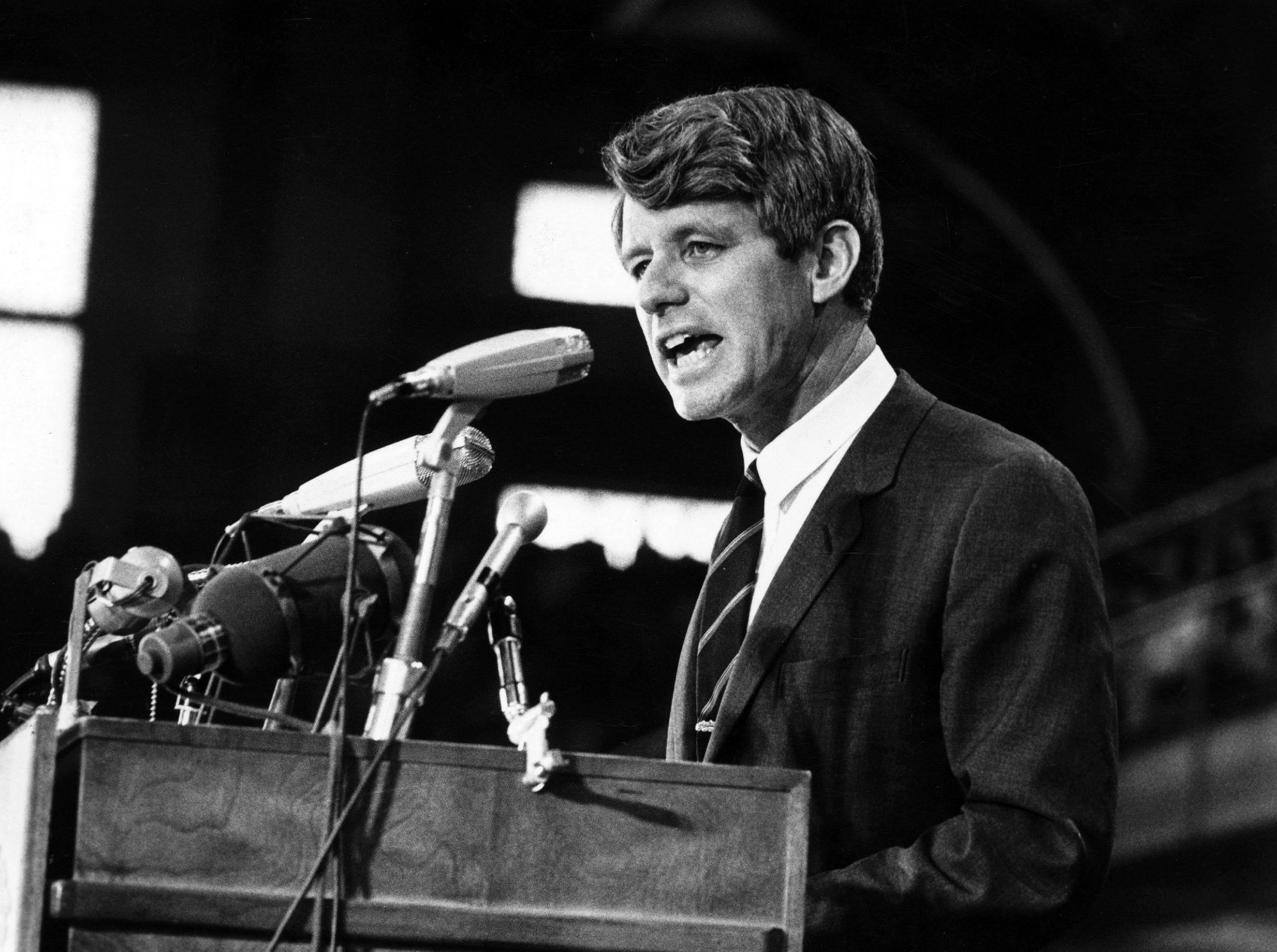
Robert Kennedy emerged as a leading political voice during a turbulent era, advocating civil rights, antipoverty initiatives, and national reconciliation. His assassination in 1968 deepened the nation's sense of uncertainty.
The decade's achievements unfolded alongside moments of profound national loss.
The assassinations of John F. Kennedy, Martin Luther King Jr., and Robert Kennedy occurred during a period of rapid change and growing uncertainty, leaving a lasting impression on an entire generation of Americans.
A Nation Tested
The 1960s tested the nation's confidence while revealing the resilience of its democratic institutions and the determination of citizens to continue shaping America's future.
The challenges of the 1960s extended beyond the nation's borders.
As the Cold War continued, American involvement in Vietnam expanded, becoming one of the most debated and consequential conflicts of the twentieth century.
The conflict reshaped foreign policy, public opinion, and national life, leaving a lasting impact on the country and the generation that experienced it.

Vietnam. American involvement expanded during the 1960s as policymakers sought to contain the spread of communism in Southeast Asia, a central objective of Cold War strategy.
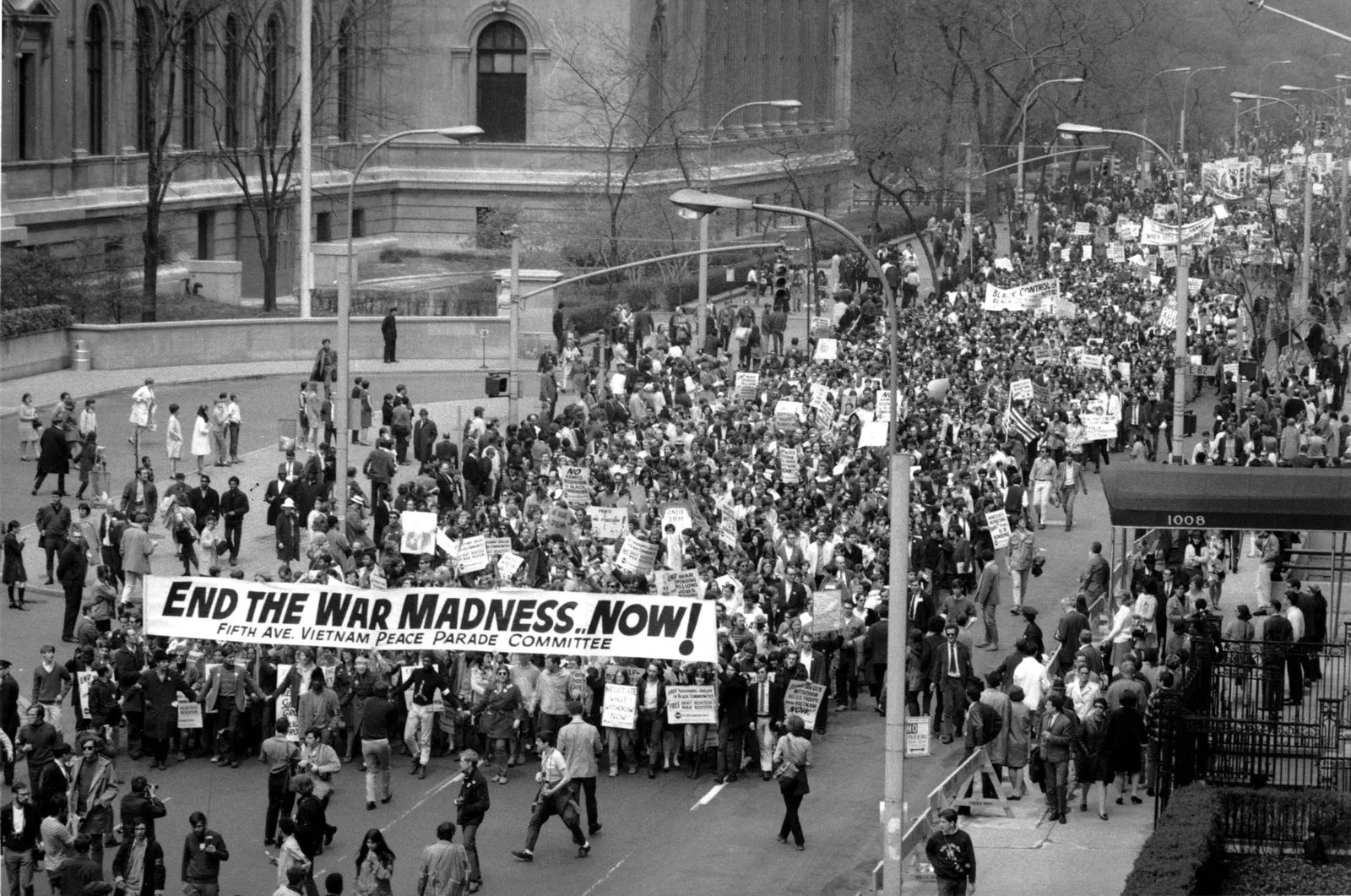
Debate. As the war continued, public opinion became increasingly divided. Debates over military policy, national priorities, and America's role in the world produced some of the largest demonstrations in modern American history.
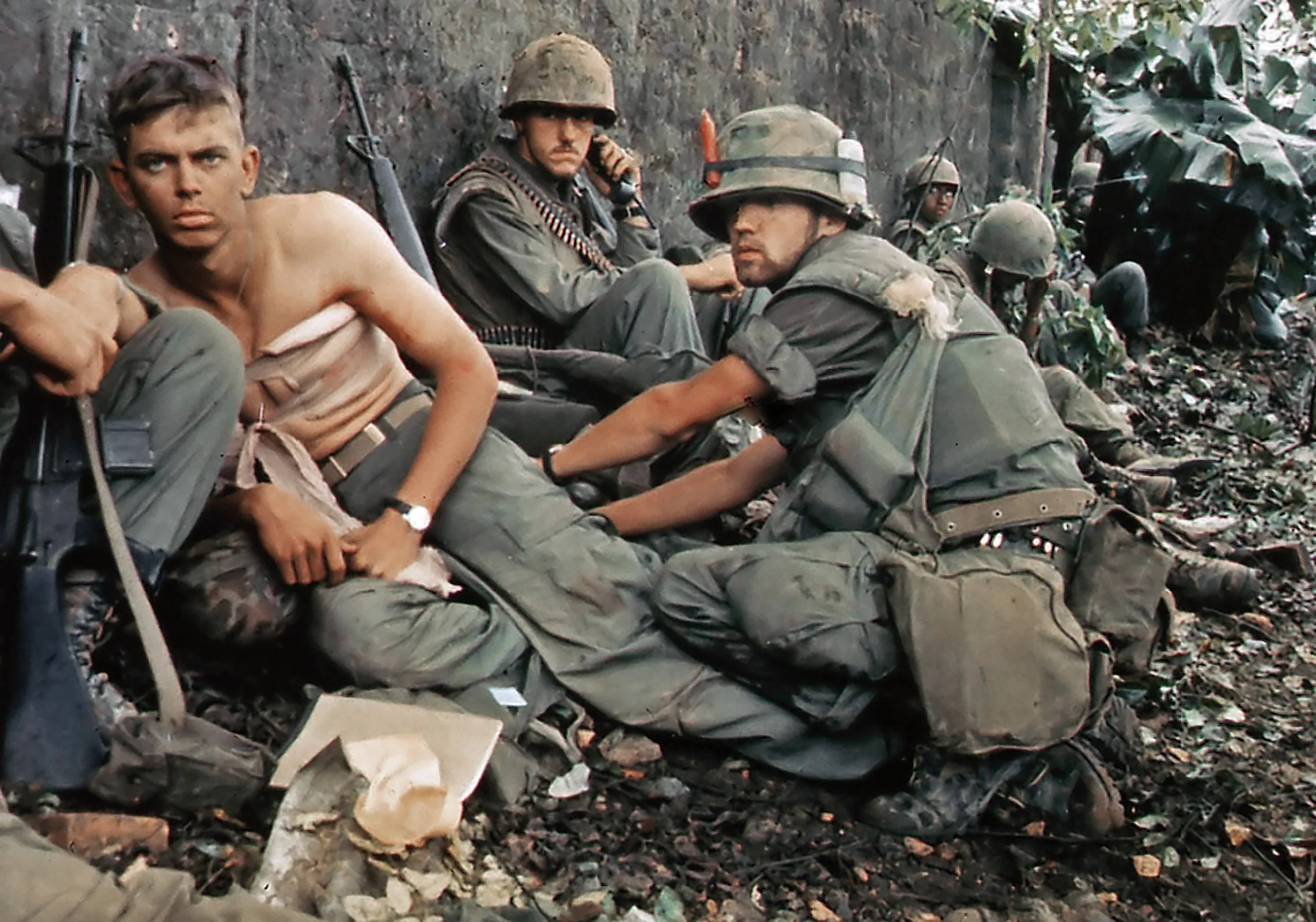
Legacy. The Vietnam War reshaped American foreign policy, public trust, and civic life. Its influence continues to inform national conversations about leadership, service, sacrifice, and the use of military power.
Reaching Beyond Earth
(1958–1969)
Even as the nation confronted challenges at home and abroad, another effort captured the imagination of millions.
The Space Race became one of the defining competitions of the Cold War, driving advances in science, engineering, and exploration. What began with early satellites and pioneering astronauts ultimately led to one of humanity's most celebrated achievements.
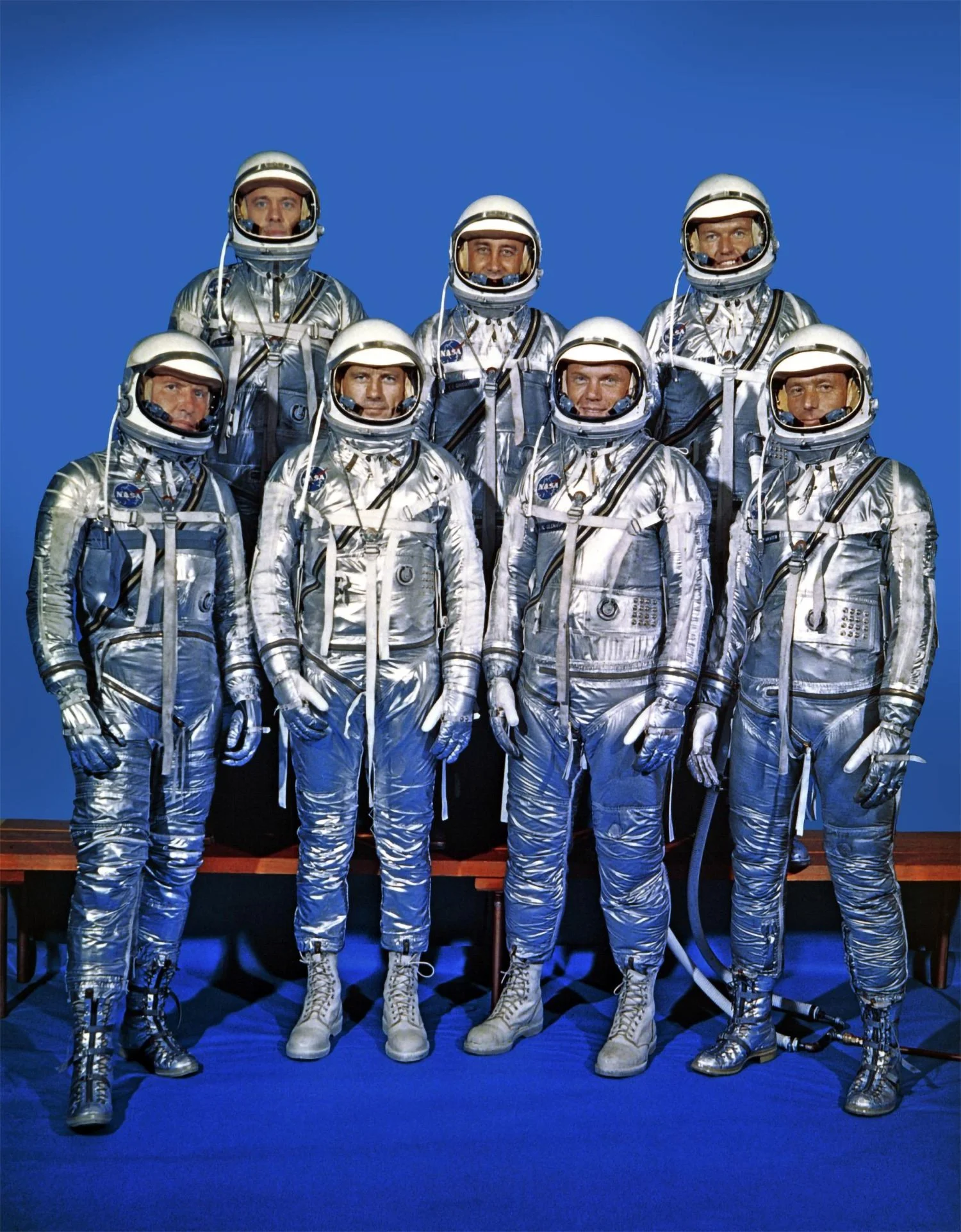
Project Mercury. America's first human spaceflight program demonstrated that orbital flight was possible and marked the nation's first major steps beyond Earth.

Project Gemini expanded American capabilities in orbit, including spacewalks, rendezvous maneuvers, and extended missions that would prove essential for future journeys to the Moon.
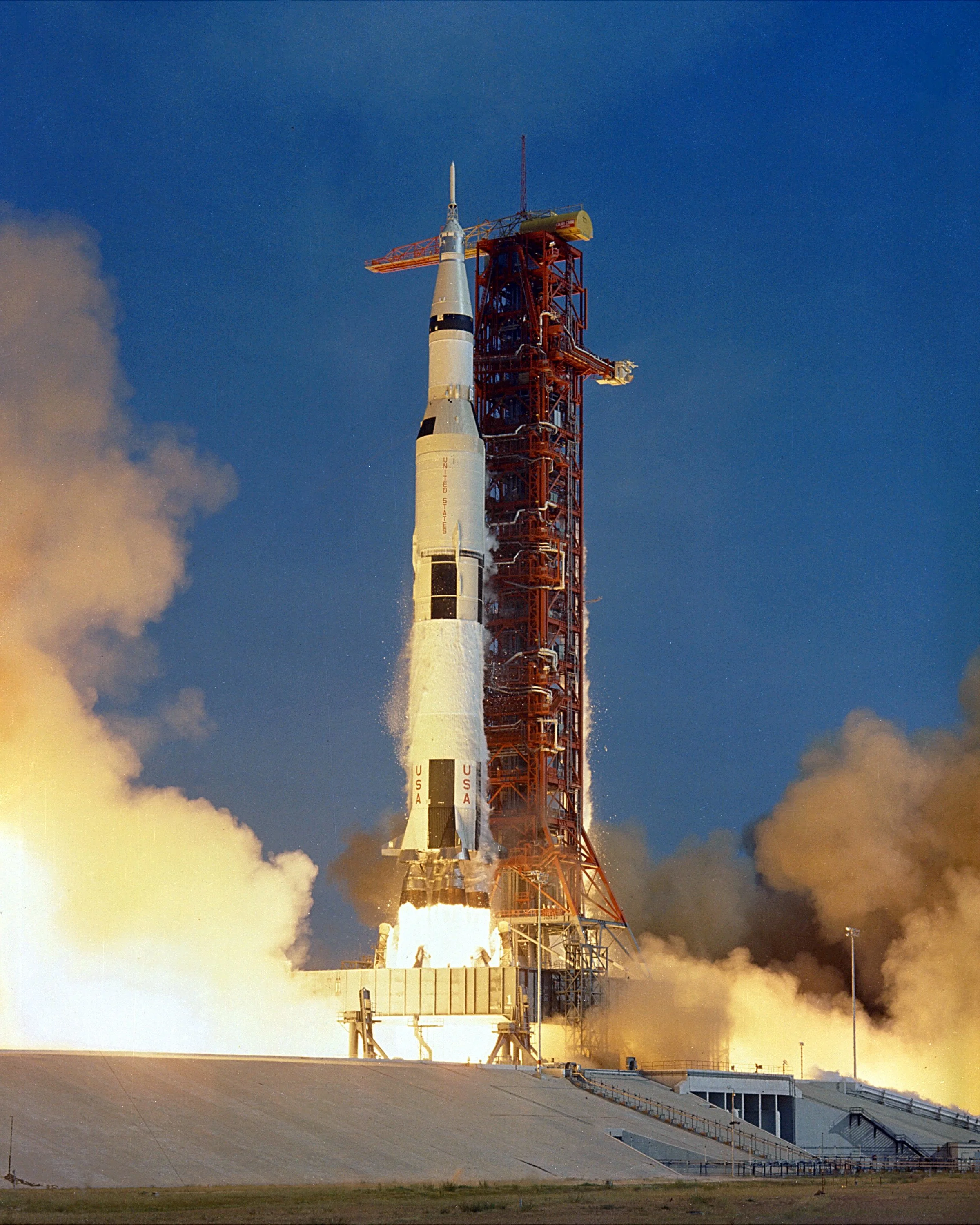
Apollo. The Apollo program brought together hundreds of thousands of engineers, technicians, scientists, and workers in pursuit of a goal that only years earlier had seemed impossible.
The effort to reach the Moon demanded years of research, testing, and innovation.
It became one of the largest scientific and engineering undertakings in history, reflecting both Cold War competition and a broader spirit of exploration.
To the Moon
The journey to the Moon reflected decades of innovation, perseverance, and collaboration—demonstrating what could be achieved through scientific discovery and national commitment.
From the assembly lines of the early twentieth century to the surface of the Moon, Americans experienced a period of extraordinary change.
The nation entered the modern age, confronted its greatest challenges, broadened the meaning of citizenship, and helped shape the world beyond its shores.
The journey was far from complete.
New generations would inherit both the achievements and the unfinished questions of the American Century—continuing the ongoing work of the American experiment.