
THE YOUNG
REPUBLIC
(1789–1824)
A nation testing its design.
THE
YOUNG REPUBLIC
(1789–1824)
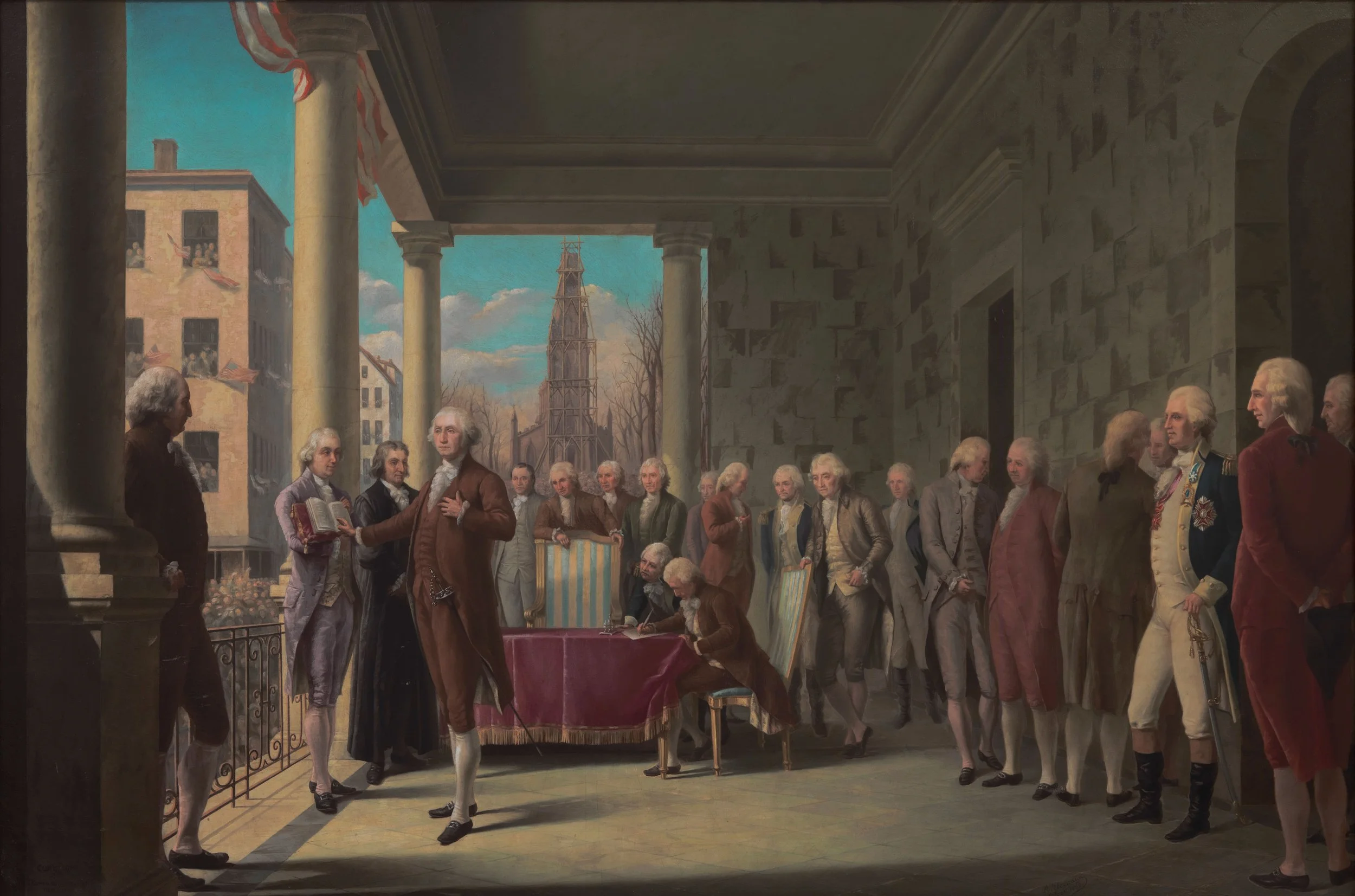
Inauguration of George Washington", 1898 painting by Ramon Elorriaga.
Federal Hall, New York City. April 30, 1789. George Washington takes the oath of office as the nation's first president.all, New York City
Apristnpracti
A Government Begins
In 1789, the Constitution moved from theory to practice. Institutions took shape, offices were filled, and authority—once uncertain—began to operate in the open.
Yet nothing about the new government was inevitable. Every decision, precedent, and compromise would test whether the framework could endure beyond its design.
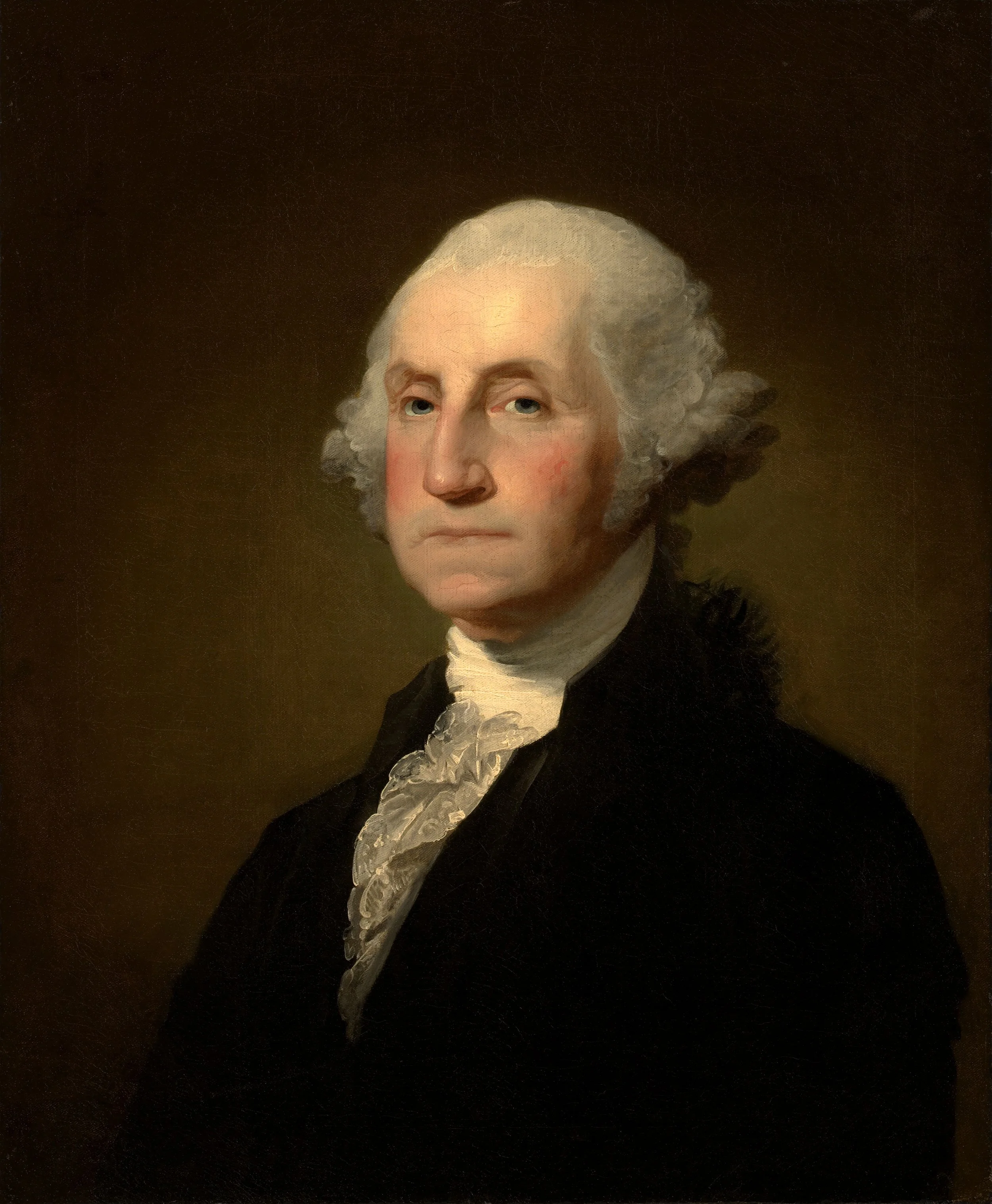
George Washington, c. 1789. Gilbert Stuart Williamstown Portrait.
As the nation's first president, Washington defined the office through restraint rather than force, establishing precedents that would outlast his presidency.
Setting the Tone
Washington lent the new government legitimacy without seeking to dominate it. He declined titles, deferred to Congress, and stepped away after two terms—establishing a model of leadership grounded in restraint.
Authority, in the early republic, was not asserted—it was demonstrated.
But what that authority should become remained unsettled.
The First Divide
The Constitution had succeeded in creating a government. It had not created agreement about how that government should be used.
Almost immediately, competing interpretations emerged over finance, foreign policy, and the proper balance between national authority and state power.
These disagreements were not signs of failure. They were the Constitution's first great political test.
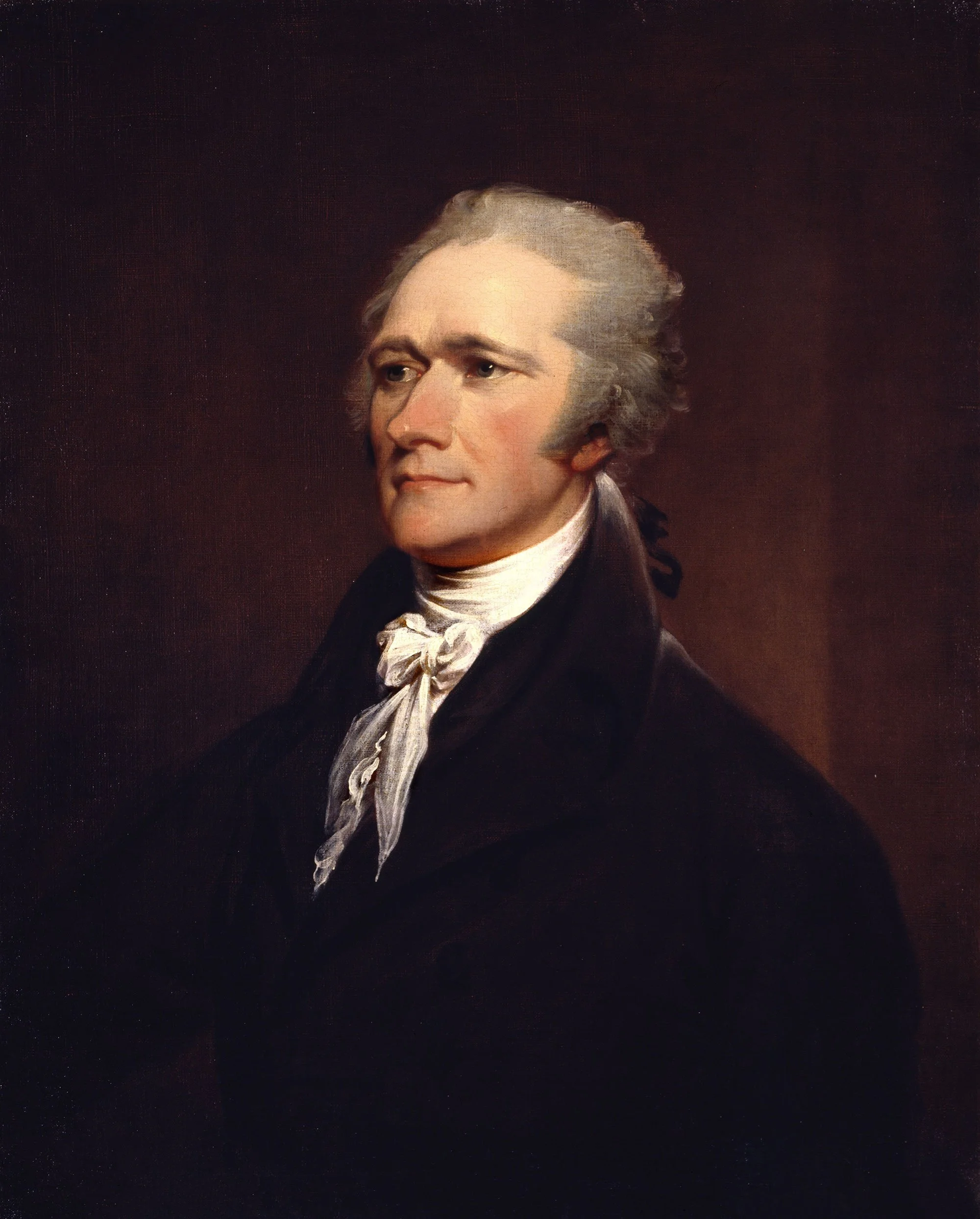
Alexander Hamilton argued that the republic required energetic national authority. A stable economy, national credit, and strong institutions, he believed, would secure the Revolution's achievements.

Official Presidential portrait of Thomas Jefferson by Rembrandt Peale, 1800. Thomas Jefferson feared concentrated power would erode the liberty won in the Revolution. He envisioned a republic rooted in local government, agriculture, and limited federal authority.
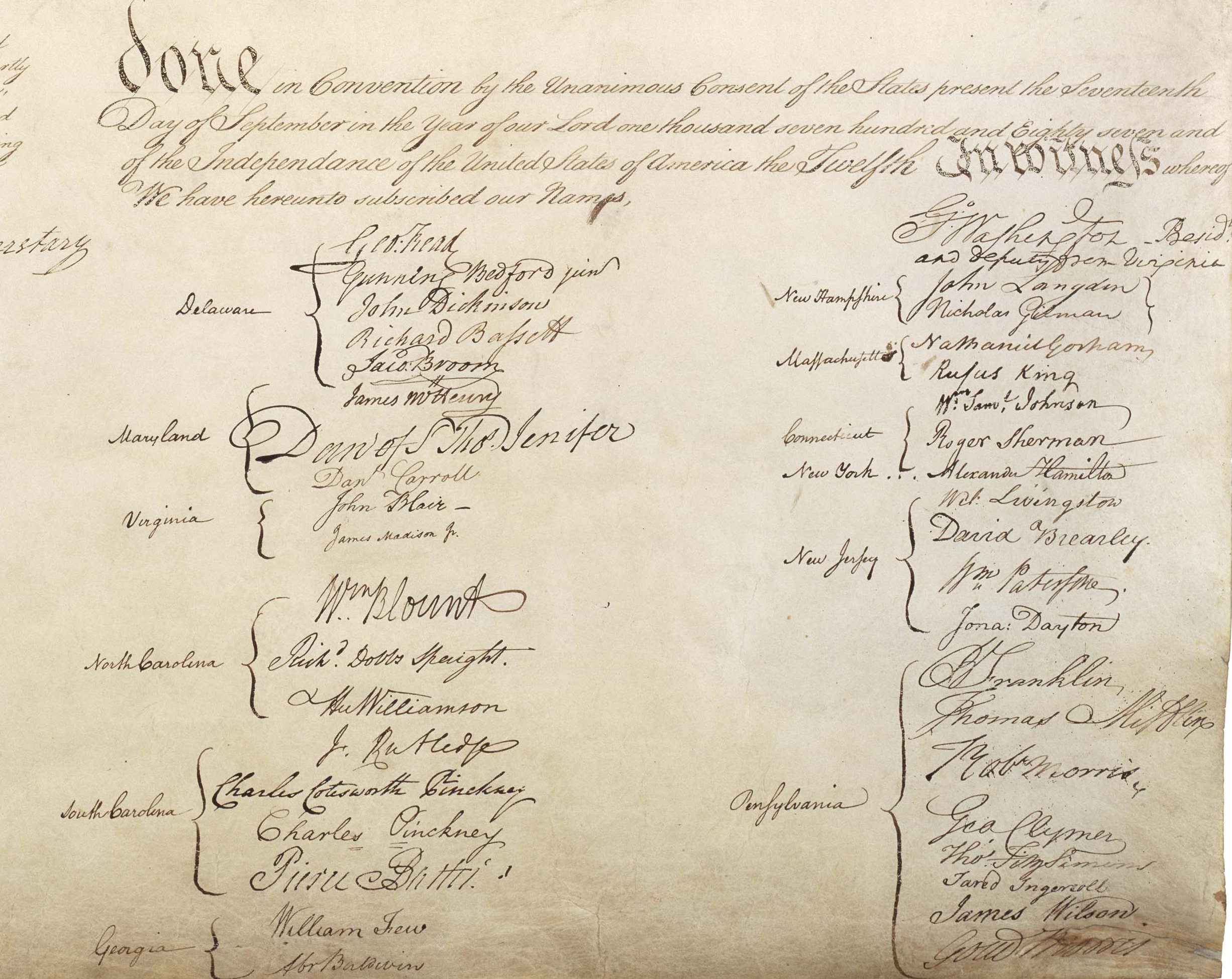
What began as constitutional interpretation evolved into America's first party system. The debate was no longer simply philosophical—it had become political.
The First Divide — Early 1790s
A short film exploring how Hamilton and Jefferson's competing visions transformed constitutional debate into the nation's first political divide.
The Constitution had endured its first test. It had established a government, but it could not prevent Americans from disagreeing about its meaning.
Testing Authority
Debate soon moved beyond newspapers and speeches. In western Pennsylvania, opposition to a federal whiskey tax became open resistance, forcing the young republic to answer a fundamental question: Could the new government enforce its own laws?
Washington's response would establish a precedent nearly as important as his inauguration.
The Whiskey Rebellion — 1794
A short film exploring the first great test of federal authority under the Constitution—and George Washington's decision to enforce the nation's laws.
The Shape of Leadership
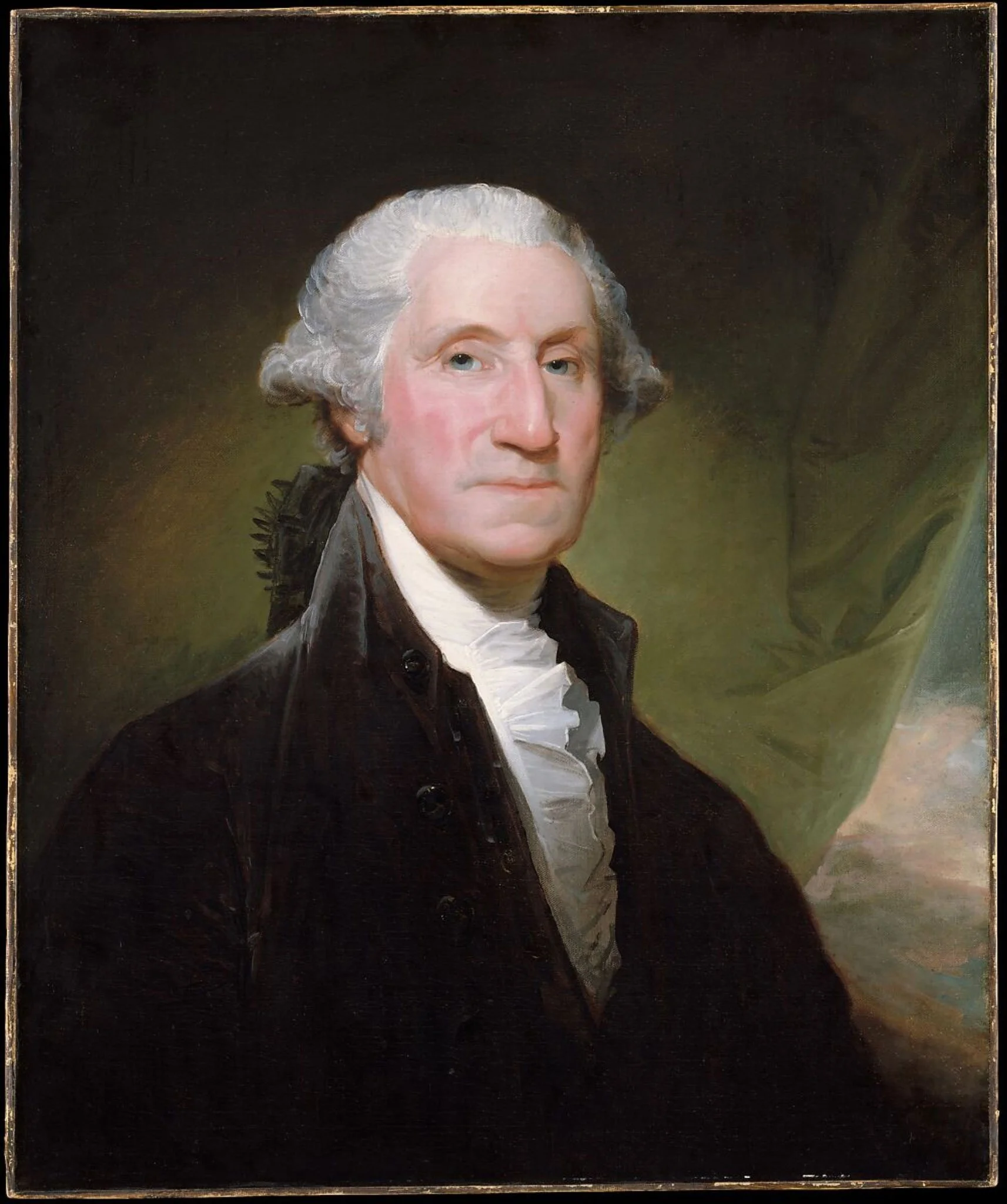
George Washington’s Presidency. (1789–1797) With few precedents to guide him, Washington defined the presidency through restraint—establishing authority without enlarging it.
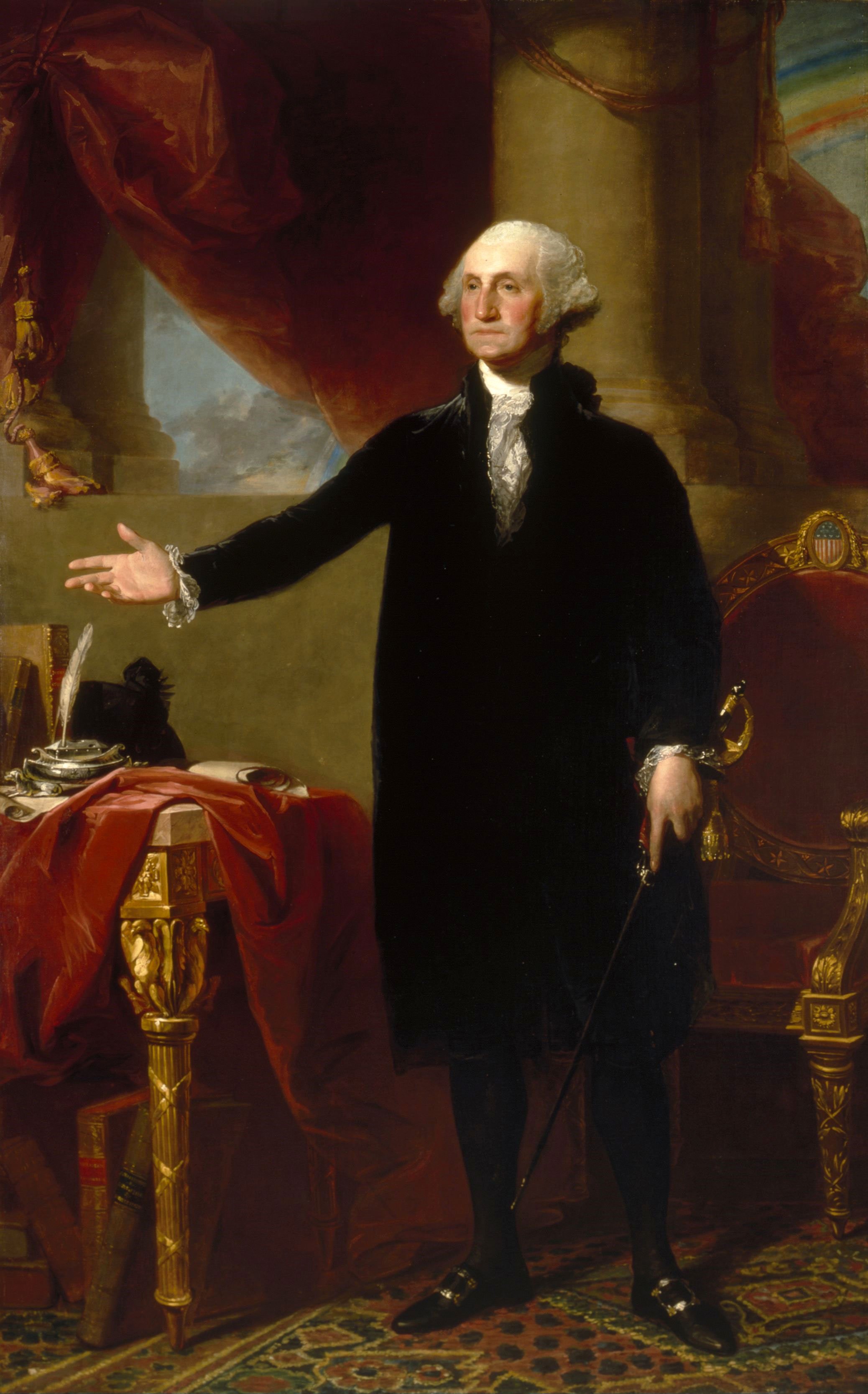
Washington Declines a Third Term. (1796) At the height of his influence, Washington chose to step away—establishing that republican leadership would be measured not by permanence, but by voluntary restraint.
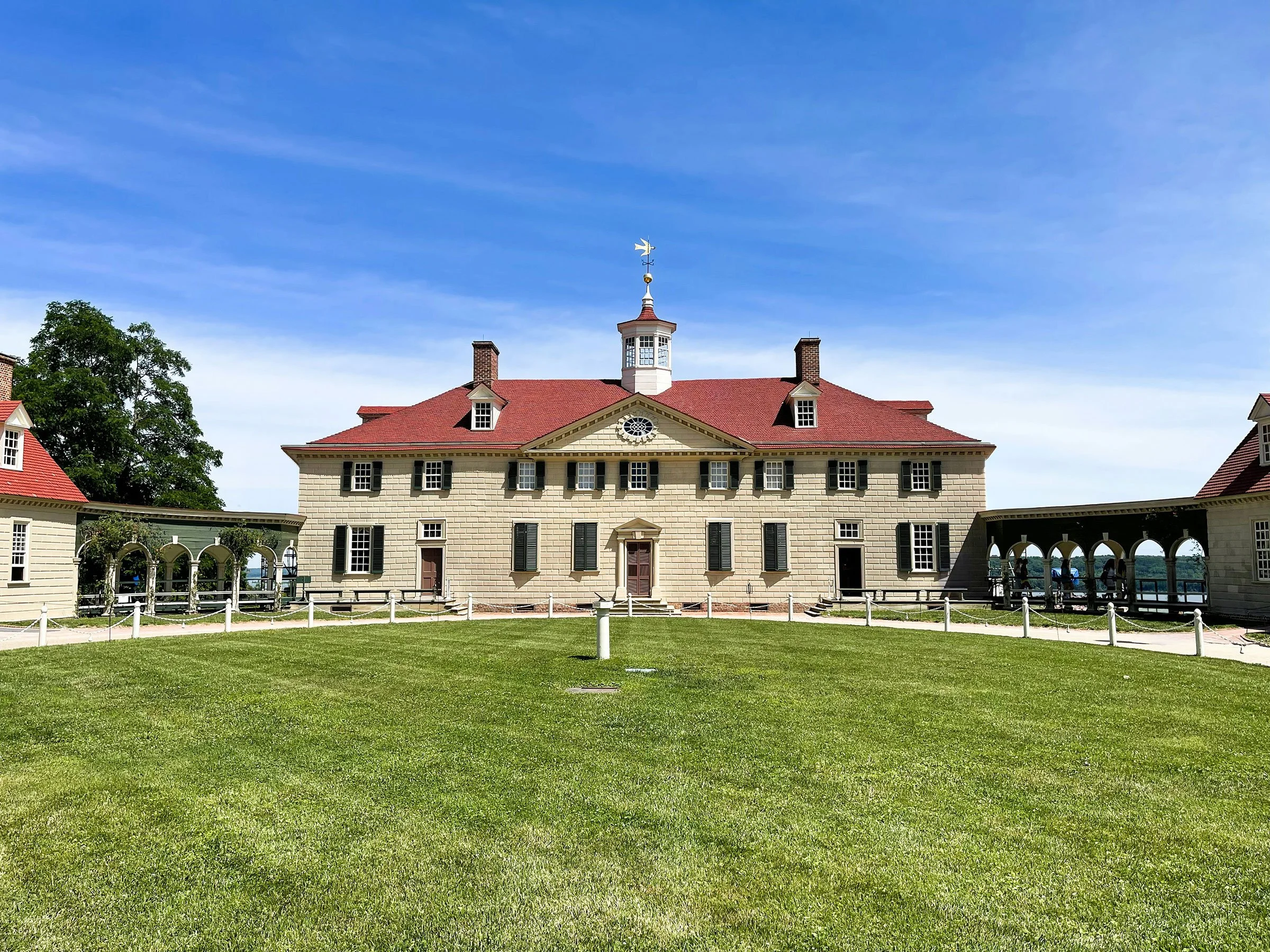
Mount Vernon. Returning to private life, Washington completed a revolutionary principle: political power, once entrusted, could also be surrendered.
The Precedent
Washington's decision to relinquish power established one of the young republic's most important precedents: that the presidency belonged not to the person who held it, but to the nation.
The Transfer of Power
With Washington's voluntary retirement, the republic faced a test no constitutional text could answer.
Could a government founded on principle survive its first peaceful transfer of executive power?
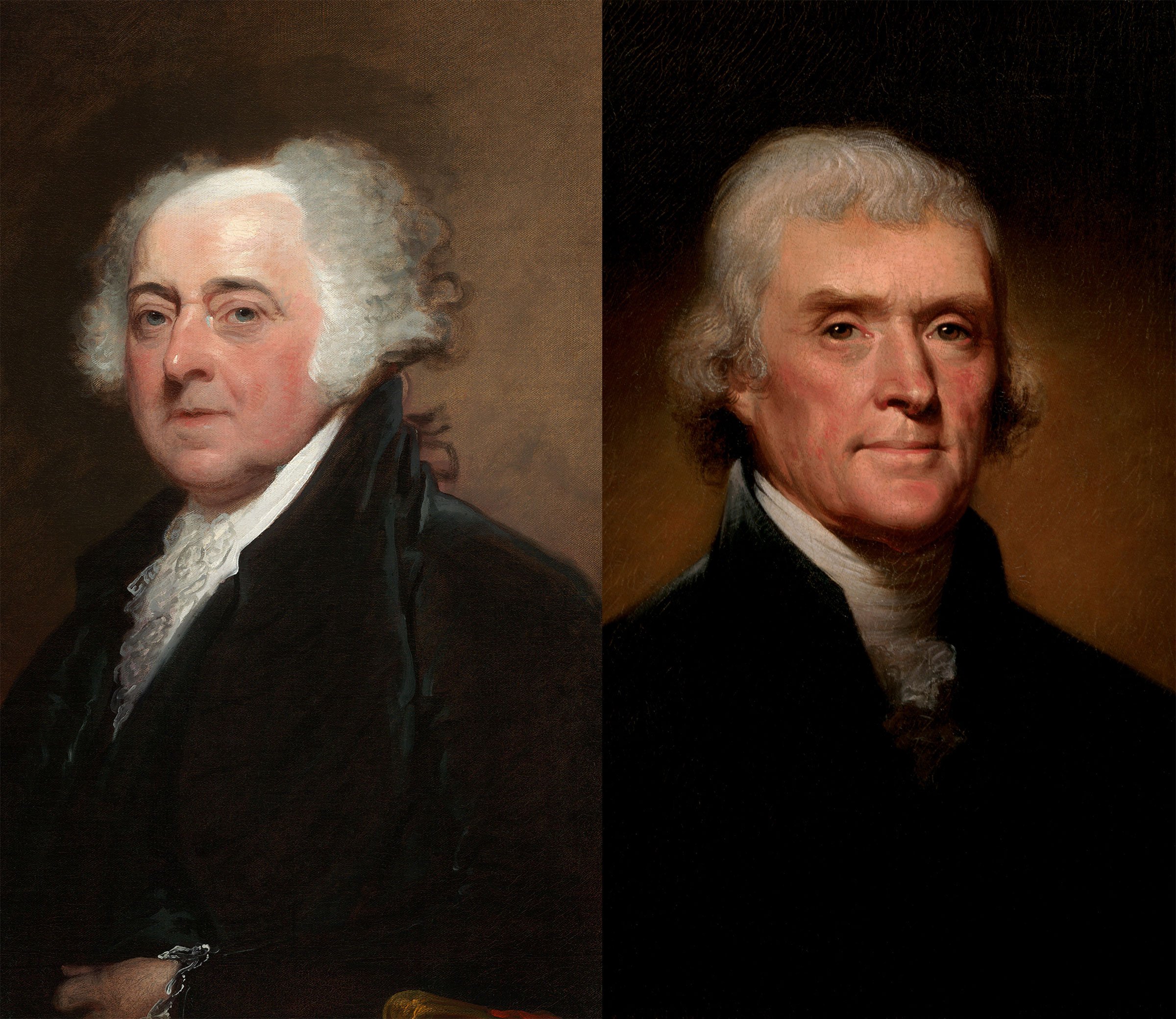
John Adams and Thomas Jefferson. Former allies became leaders of competing political visions—one favoring energetic national government, the other limited federal authority and broader state autonomy.
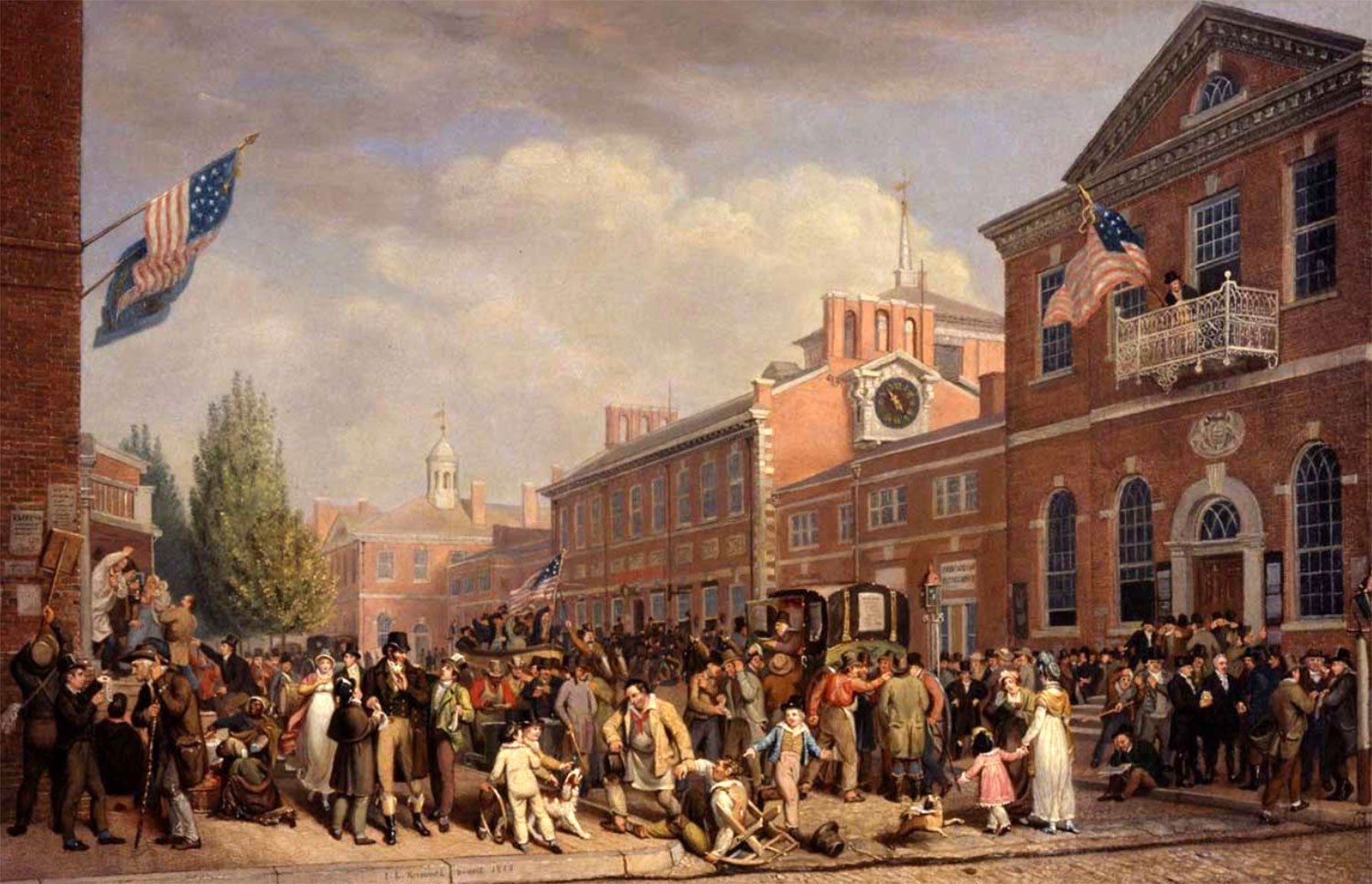
The Election of 1796. For the first time, political disagreement was settled through a contested national election rather than revolutionary struggle.

John Adams assumes the presidency. The republic completed its first constitutional transfer of executive power. Political conflict endured, but the principle that office could change hands peacefully had been established.
Washington had established the precedent of surrendering power. John Adams would face a different test: whether the new constitutional system could endure political division, international danger, and the first contested transfer of presidential power.
John Adams — Principle and Power
From revolutionary advocate to the nation's second president, John Adams helped define the rule of law, constitutional government, and the peaceful transfer of political power—even as his presidency revealed how difficult those principles could be to uphold.
The peaceful transfer of power in 1801 did not end the nation's political divisions. But it demonstrated that those divisions could be settled through elections rather than force.
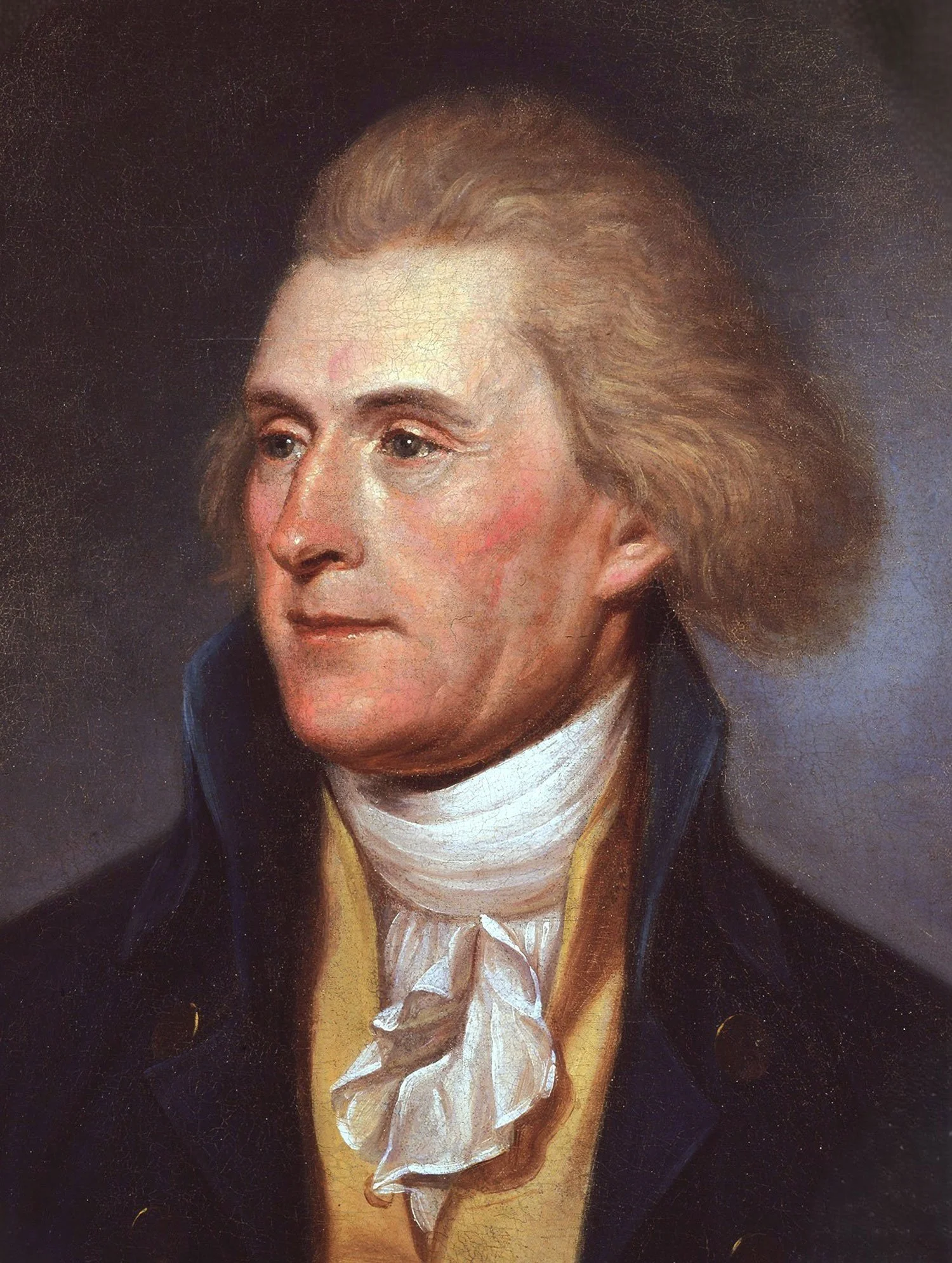
Thomas Jefferson’s Inauguration (1801). In a divided nation, Jefferson called for reconciliation—seeking to unite republican ideals with the responsibilities of governing.
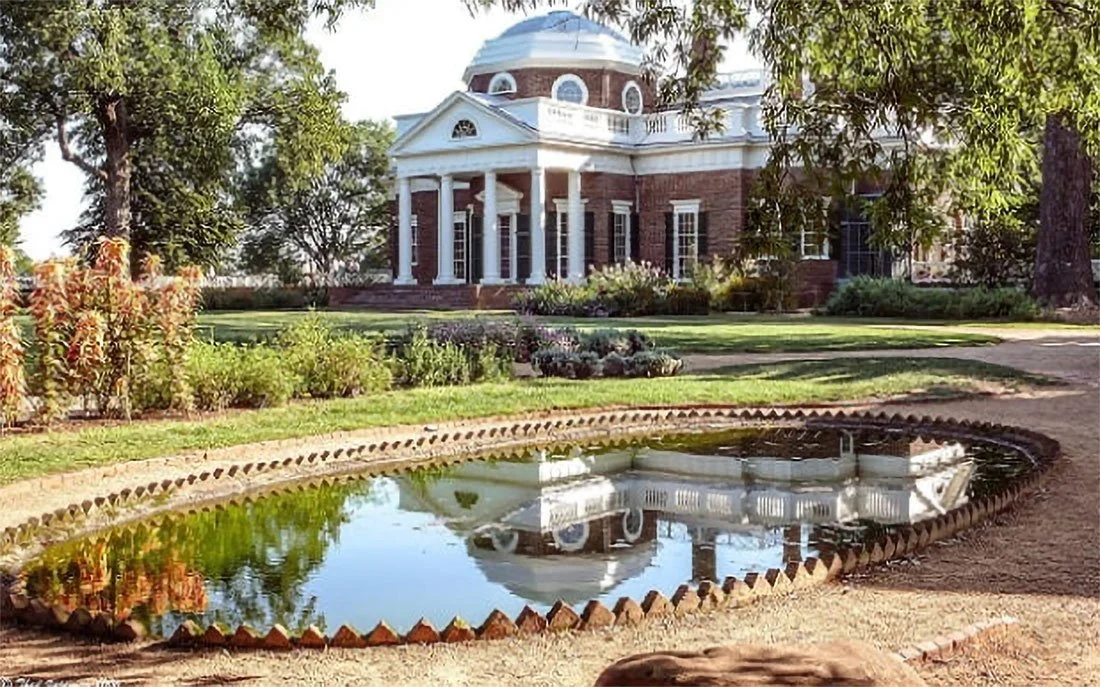
Republican Government in Practice. Jefferson sought to reduce the reach of federal government while preserving the stability the new republic required.
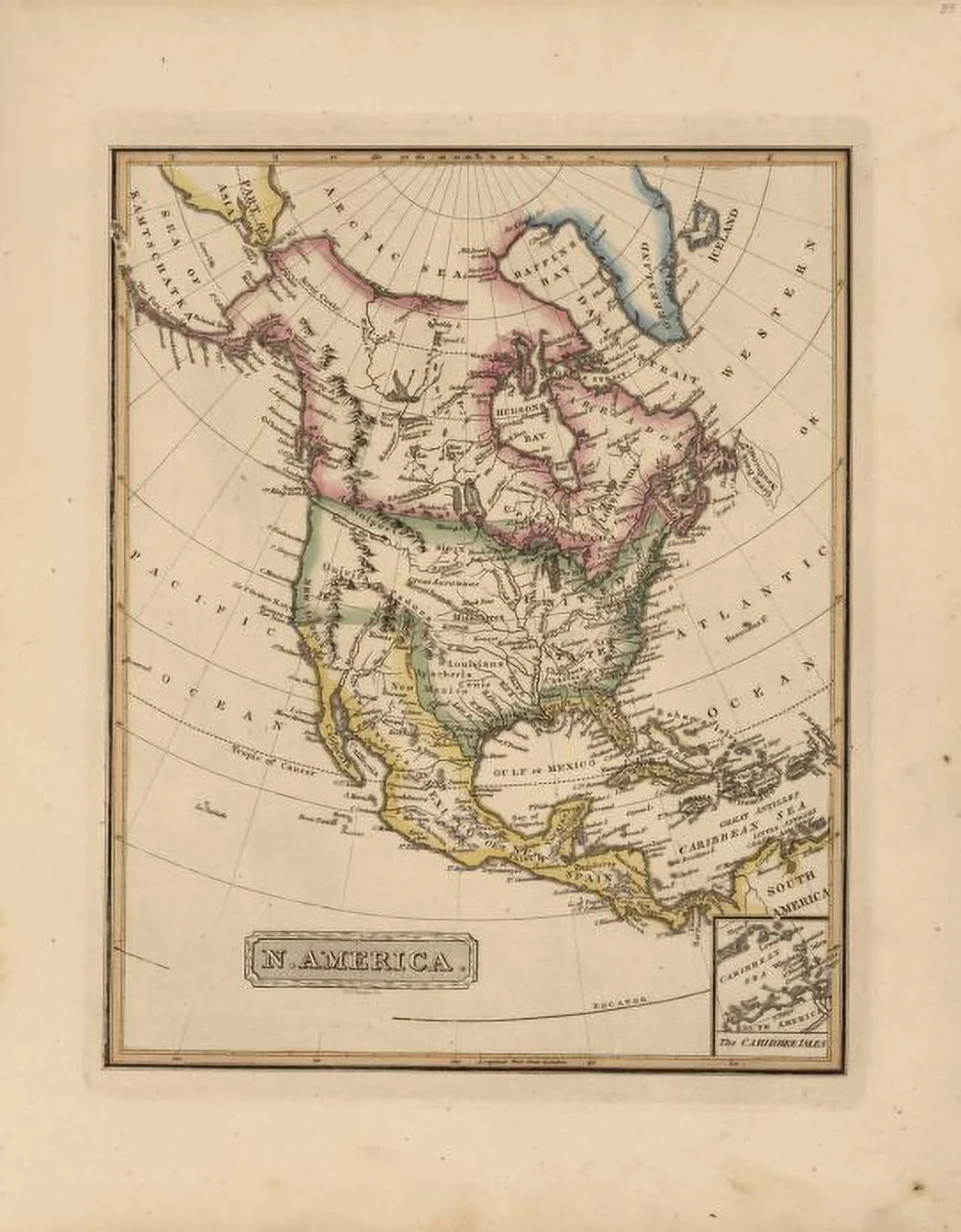
The Louisiana Question. In 1803, opportunity challenged principle. Could a president devoted to limited government justify a constitutional act of unprecedented scale?
Jefferson had long argued for restraint, limited government, and a strict reading of the Constitution.
Then, in 1803, an opportunity emerged that would test every one of those convictions.
An Expanding Republic
In 1803, the nation doubled in size—an act of opportunity that would carry its principles into a far larger and less certain future.
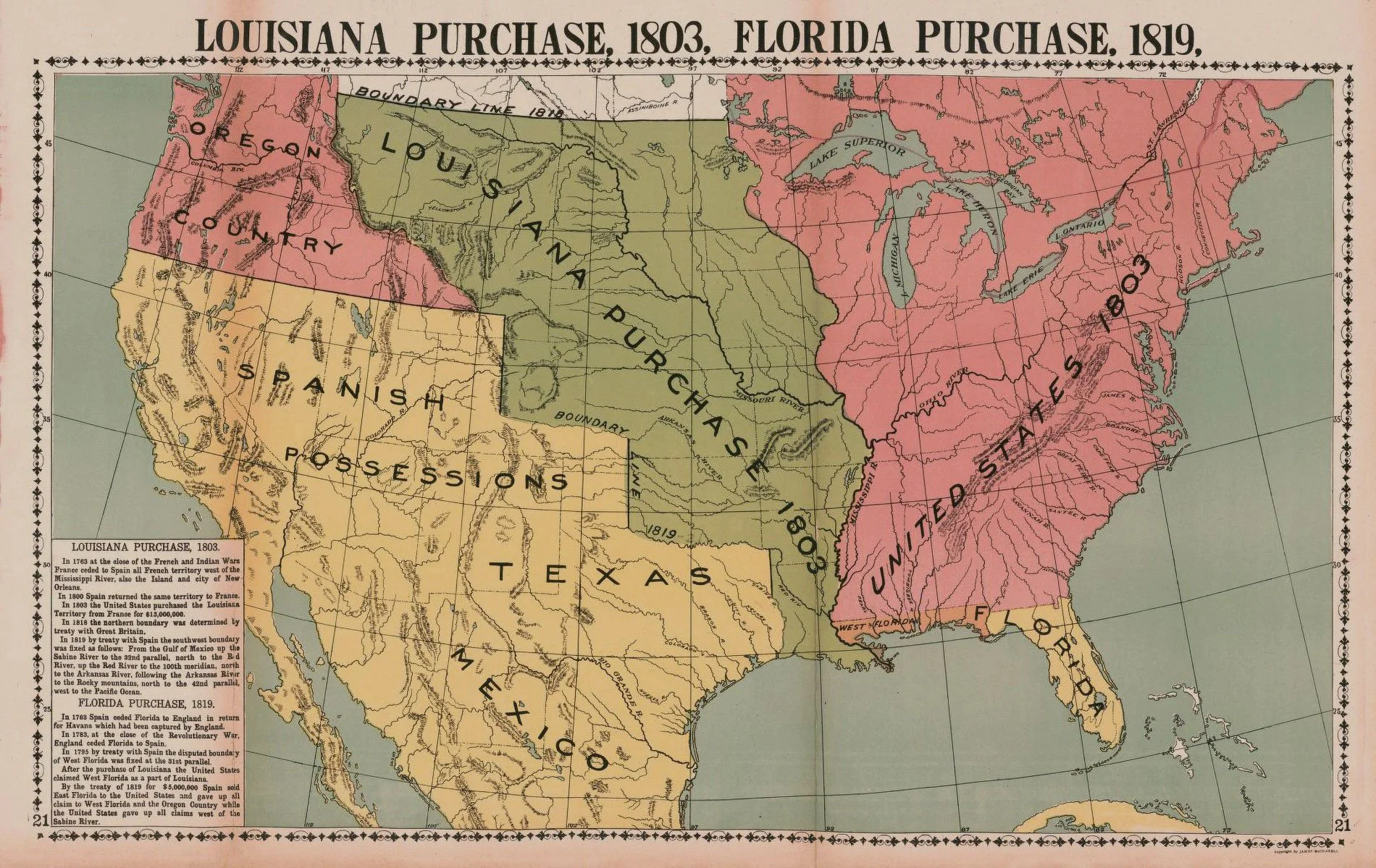
The Louisiana Territory. What had begun as a constitutional dilemma became geography. The republic now extended beyond anything its founders had imagined.
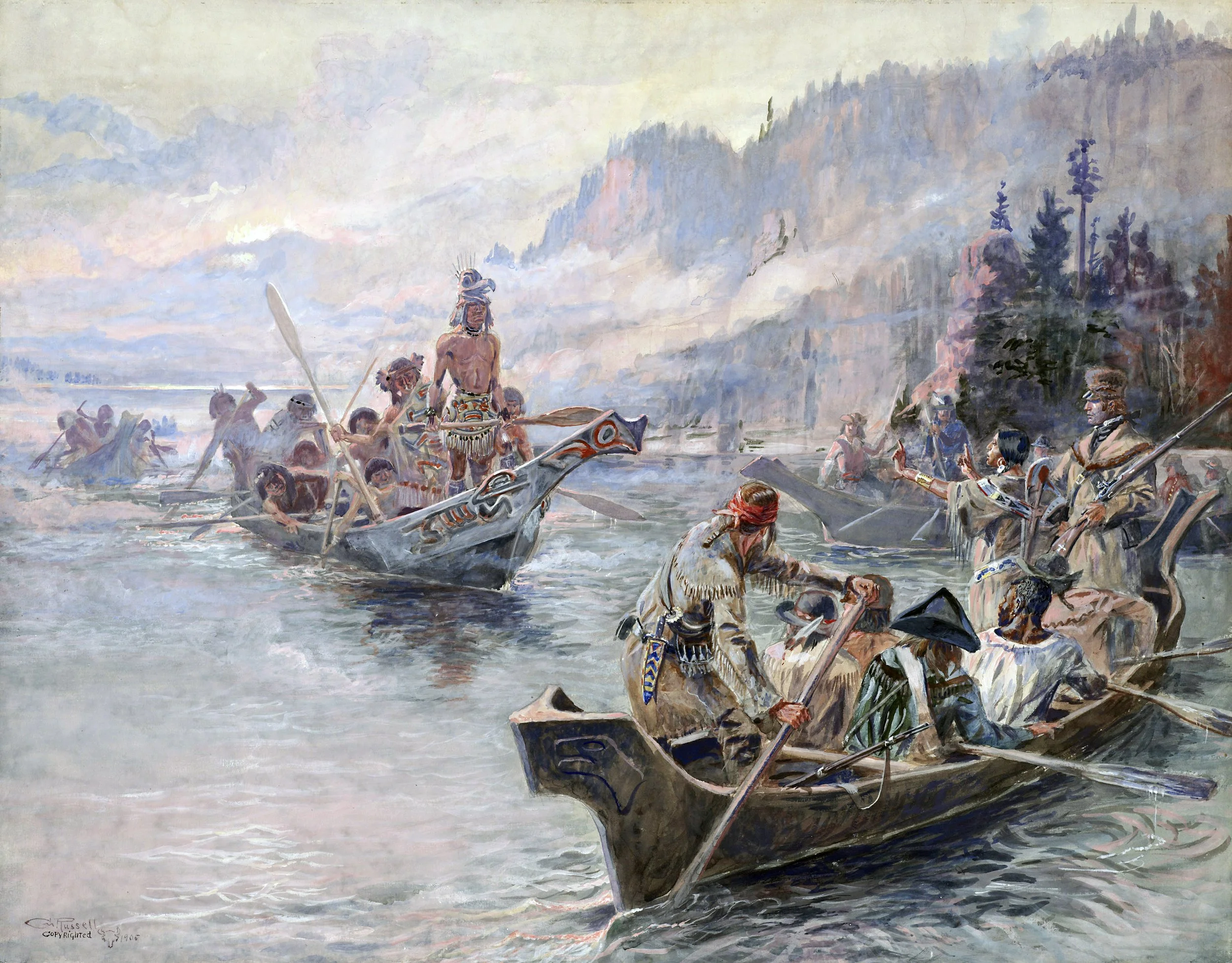
The Lewis and Clark Expedition (1804–1806). Commissioned to explore the new territory, the expedition revealed a continent already inhabited, vast in scale, and largely unknown to the young republic.
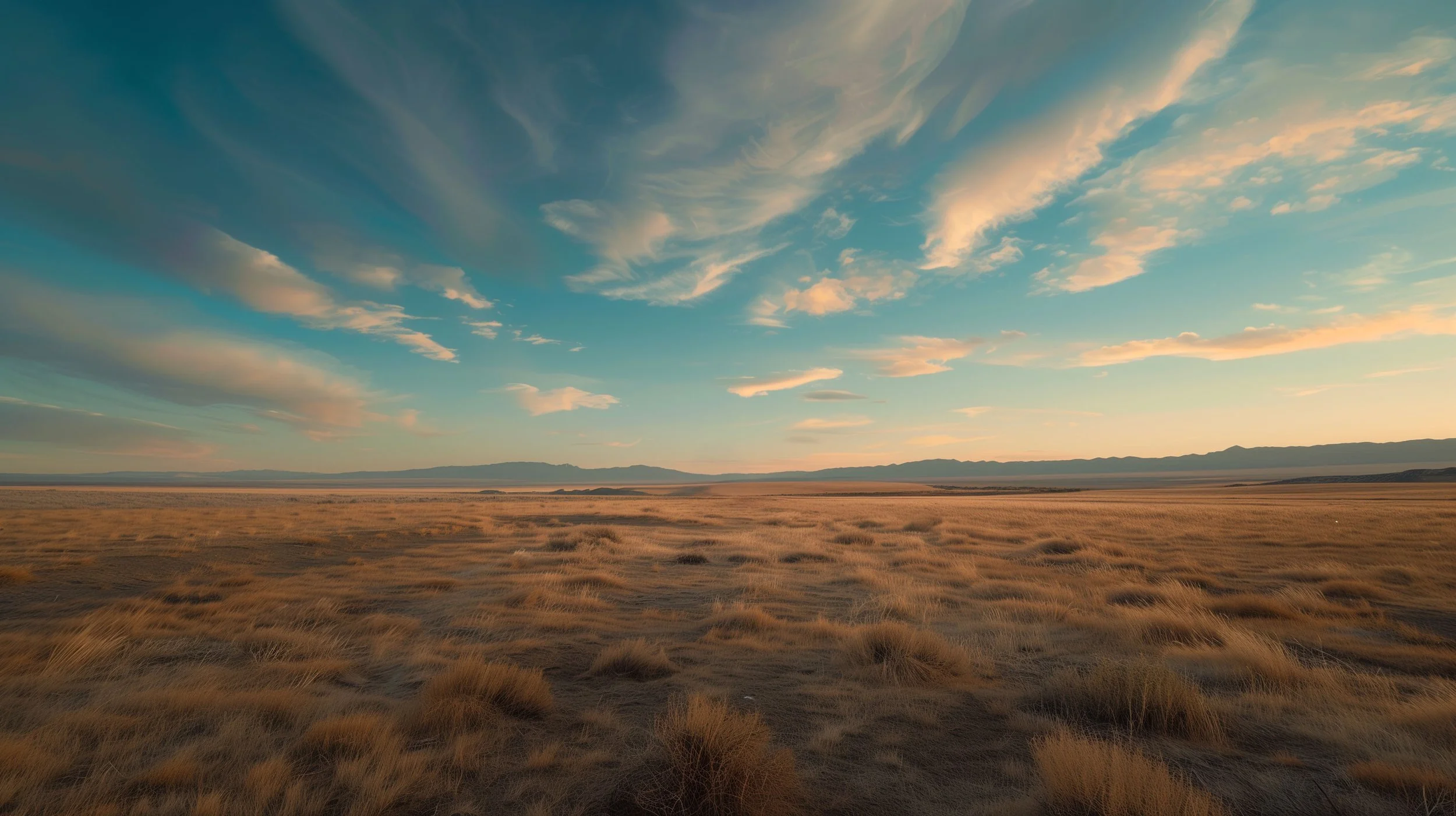
An Expanding Question. With every mile west, the republic carried its principles into new landscapes—where their meaning would be tested in ways its founders could not yet foresee.
Sacagawea
A young Shoshone woman joined Lewis and Clark on their journey west—interpreting, bridging cultures, and, in country she knew, helping show the expedition the way.
Few figures embodied the ideals—and the contradictions—of the young republic more fully than Thomas Jefferson.
His words helped define its promise; his life revealed how difficult that promise would be to fulfill.
Thomas Jefferson — The Promise of Liberty
From the Declaration of Independence to the presidency, Thomas Jefferson helped define the ideals of the young republic even as his own life embodied their contradictions. His legacy remains inseparable from both the promise of American liberty and the struggle to fulfill it.
The republic had expanded beyond its founders' expectations.
With that expansion came questions no generation had yet answered—about power, liberty, representation, and whether a nation so vast could remain one.
Those questions would define the next chapter of the American story.