

THE EXPANDING NATION
(1824–1861)
A nation expanding—and dividing.
Across the Continent: "Westward the Course of Empire Takes Its Way"
Frances Flora Bond Palmer. 1868.
The nation had expanded faster than its institutions.
What had been imagined in principle was now unfolding across distance—carried by settlers, trade, and ambition into lands the founders had never seen.
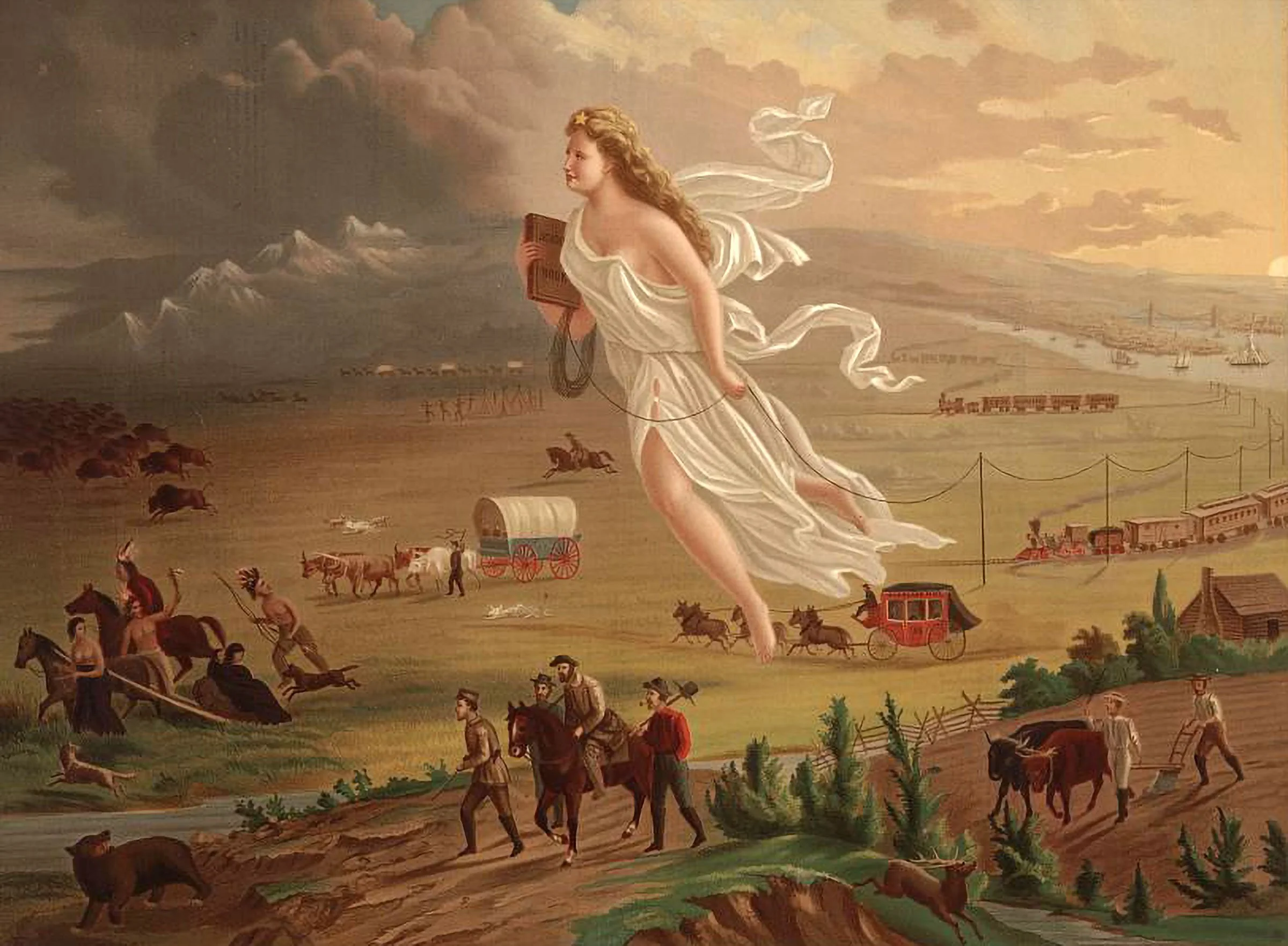
A Vision of Expansion. American Progress (1872) Expansion was imagined as destiny. The reality, however, proved far more complex.
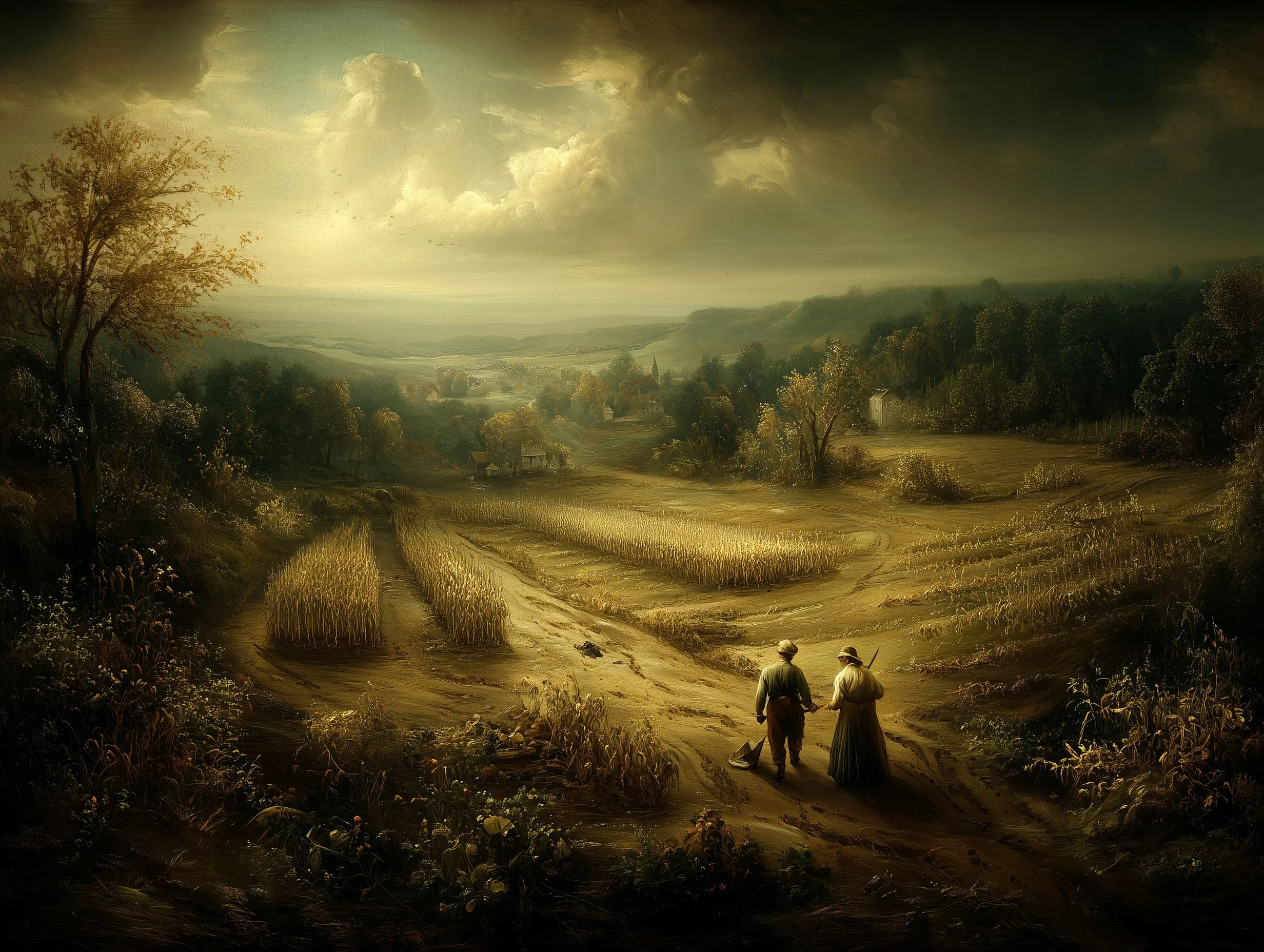
Across the Frontier. Families built new communities where distance, labor, and survival shaped daily life.
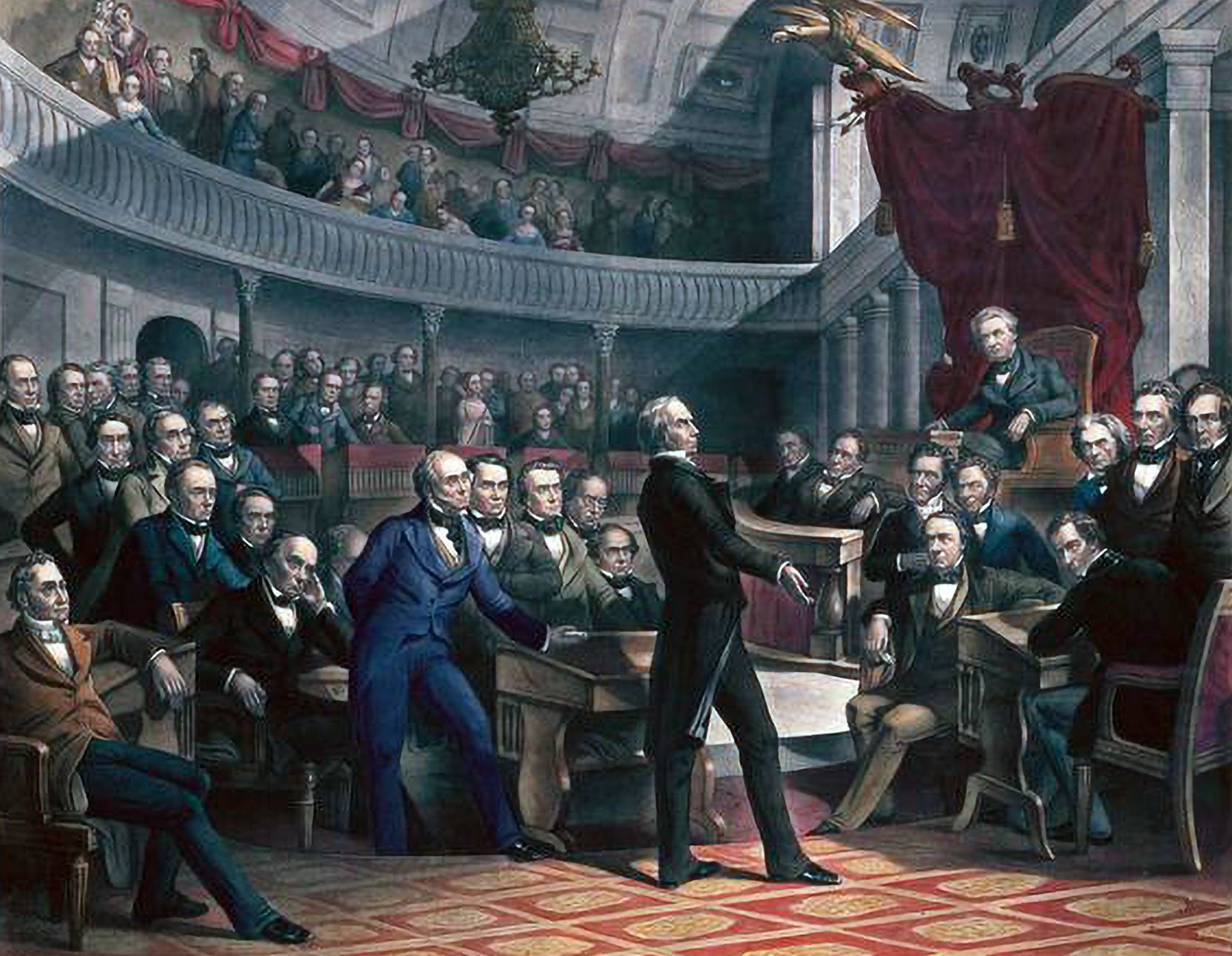
Congress and Expansion. Each new territory forced difficult questions about representation, power, and the future balance of the Union.
Across Distance
A short film exploring how transportation and communication reshaped the republic—binding distant communities together while revealing new political and social divisions.
A Fragile Balance
By 1820, expansion had forced a question the founders had left unresolved.
As new territories sought admission to the Union, the balance between free and slave states became increasingly difficult to maintain.
The Missouri Compromise drew a line—admitting Missouri as a slave state and Maine as a free state, while establishing a boundary across the Louisiana Territory.
It preserved the Union.
But only by formalizing the division within it.
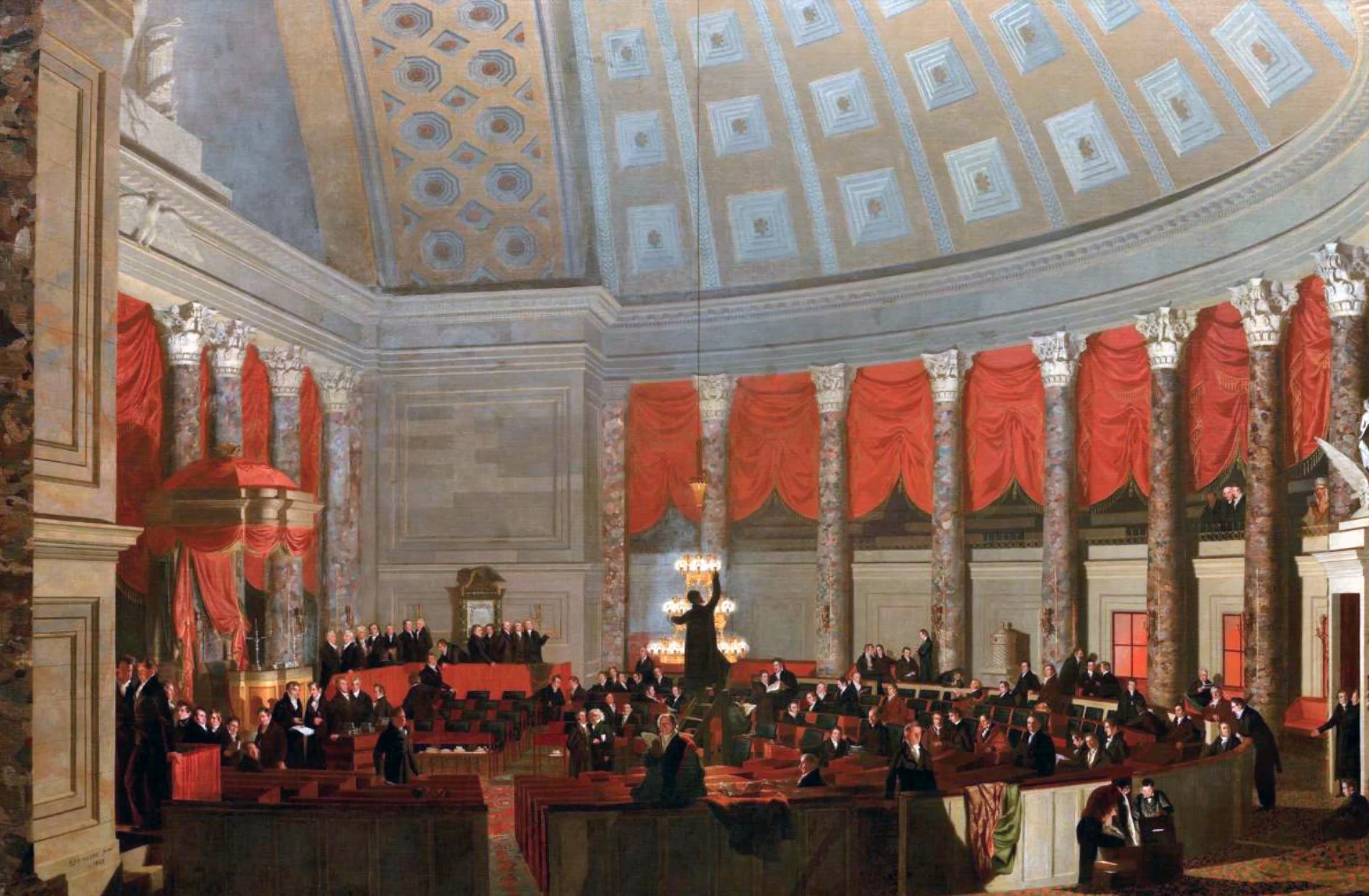
The Missouri Compromise. In 1820, Congress sought to preserve balance by admitting Missouri and Maine together—one slave state, one free.
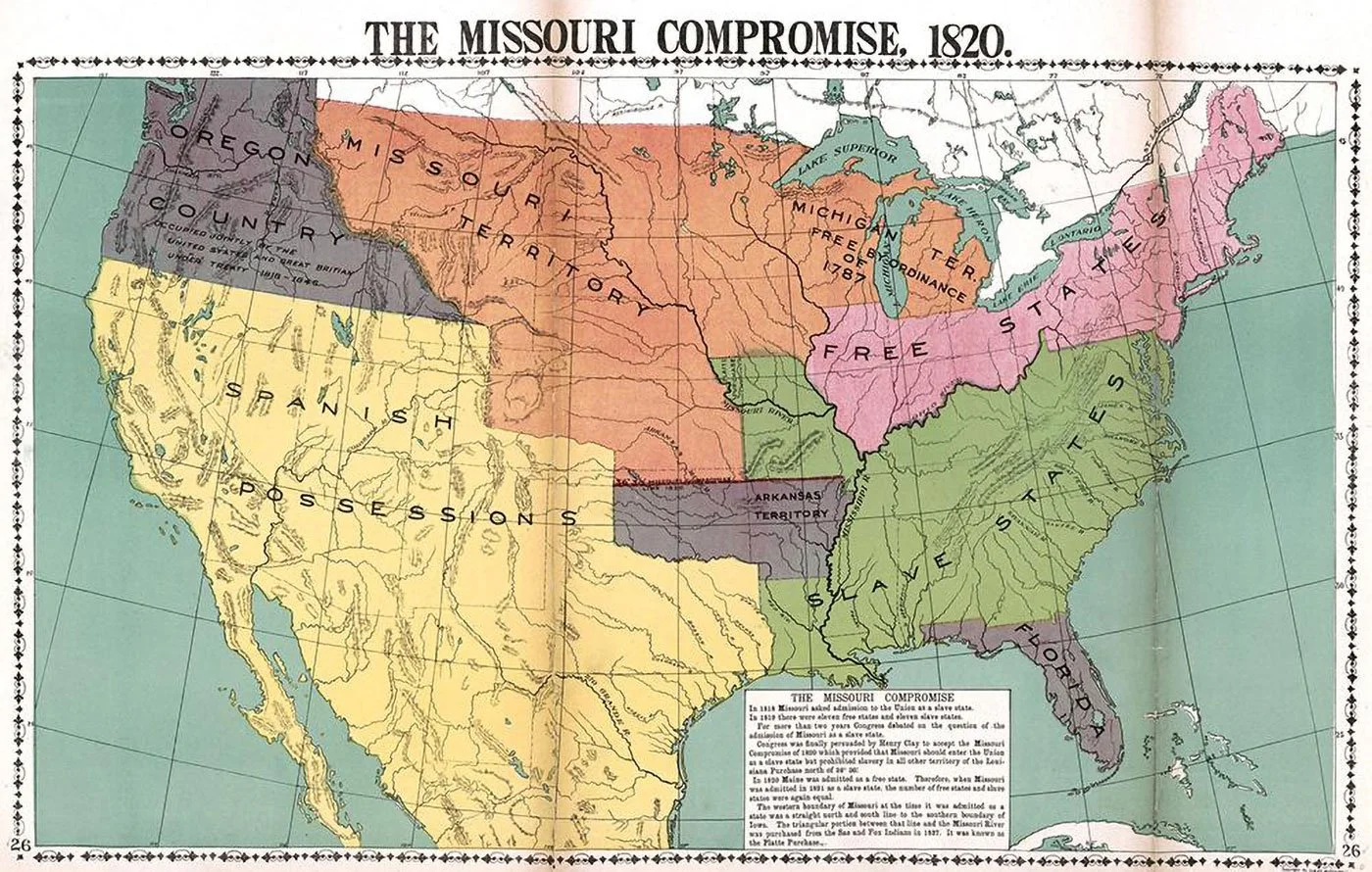
Drawing the Line. The Missouri Compromise established the 36°30′ boundary—an effort to contain a growing conflict within geography rather than resolve it.
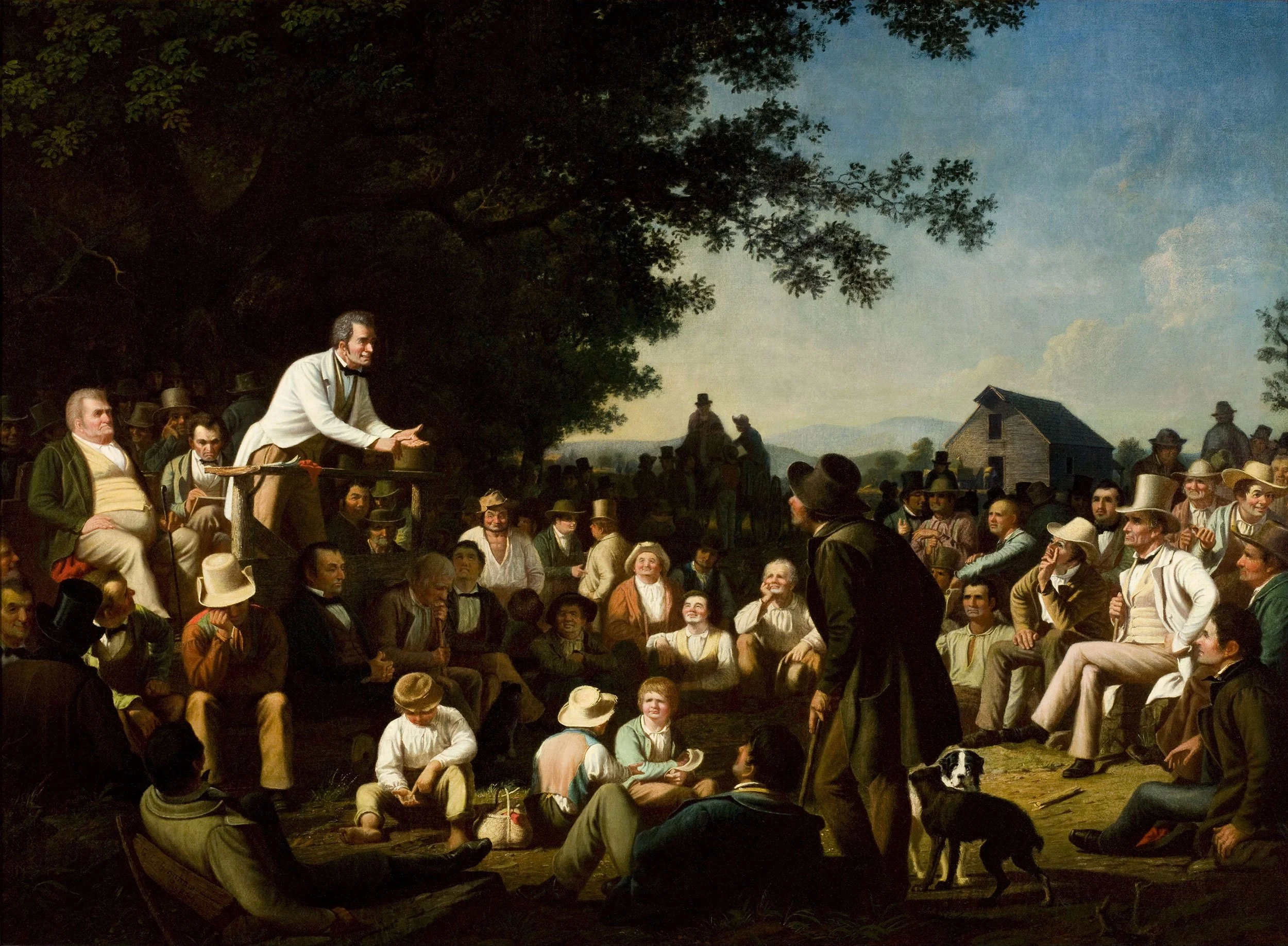
A Temporary Peace. The compromise eased immediate tensions, but revealed how deeply the question of slavery was embedded in the nation’s future.
Lines Drawn
As the nation expanded, differences between North and South became increasingly difficult to reconcile. Political disputes over slavery, states' rights, and the future of the Union hardened into divisions that would soon test the nation's survival.
The nation continued to expand—but no longer on neutral ground.
Each new territory raised the same question, and each answer carried greater consequence.
What had once been managed through balance was now becoming harder to contain.
The line drawn across the map would soon be reflected in the nation itself.
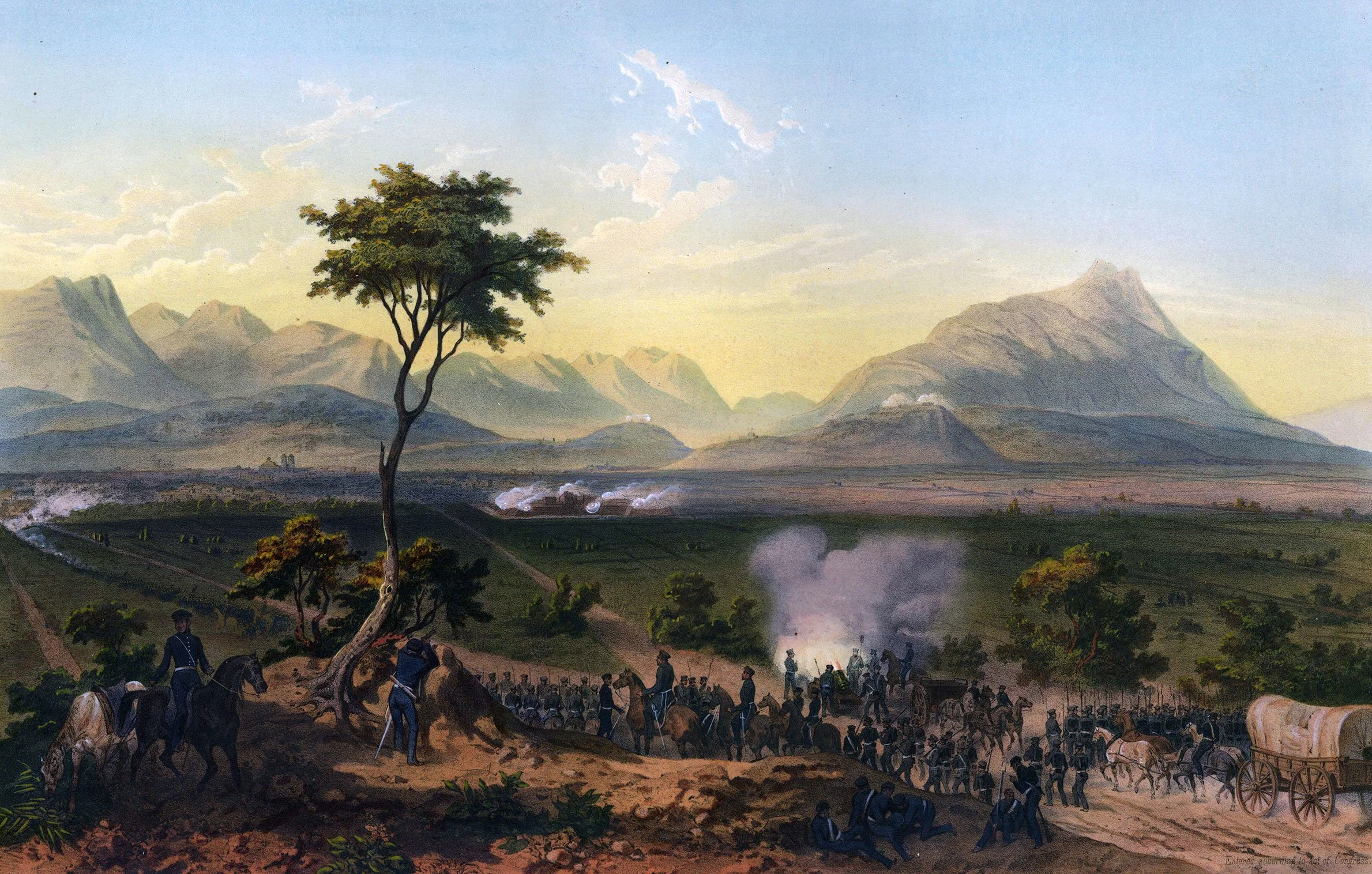
War with Mexico. Victory expanded the nation's borders once again, but it did not resolve the question of slavery. Instead, each new territory carried the debate farther west.
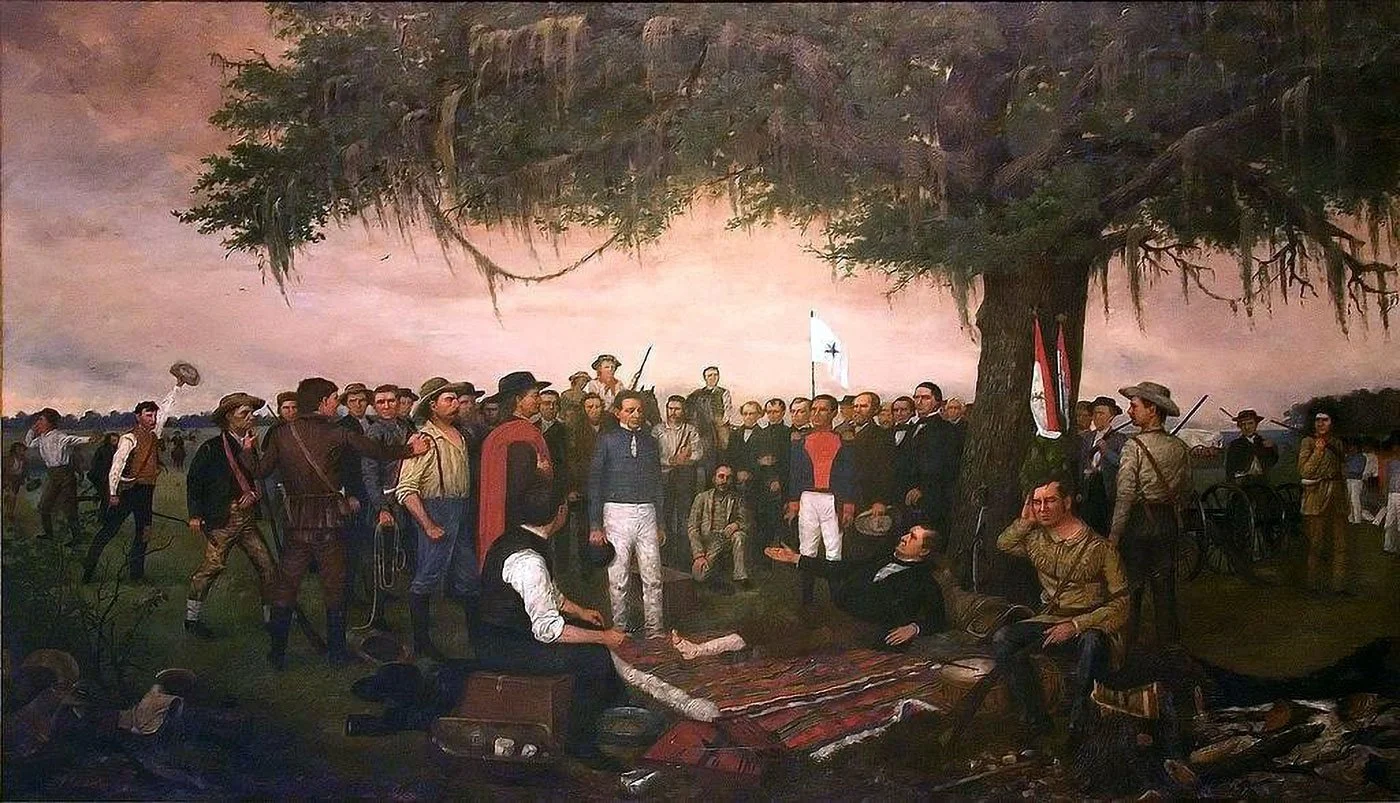
Texas. Annexation brought new land into the Union—and renewed the struggle over whether slavery would expand with it.
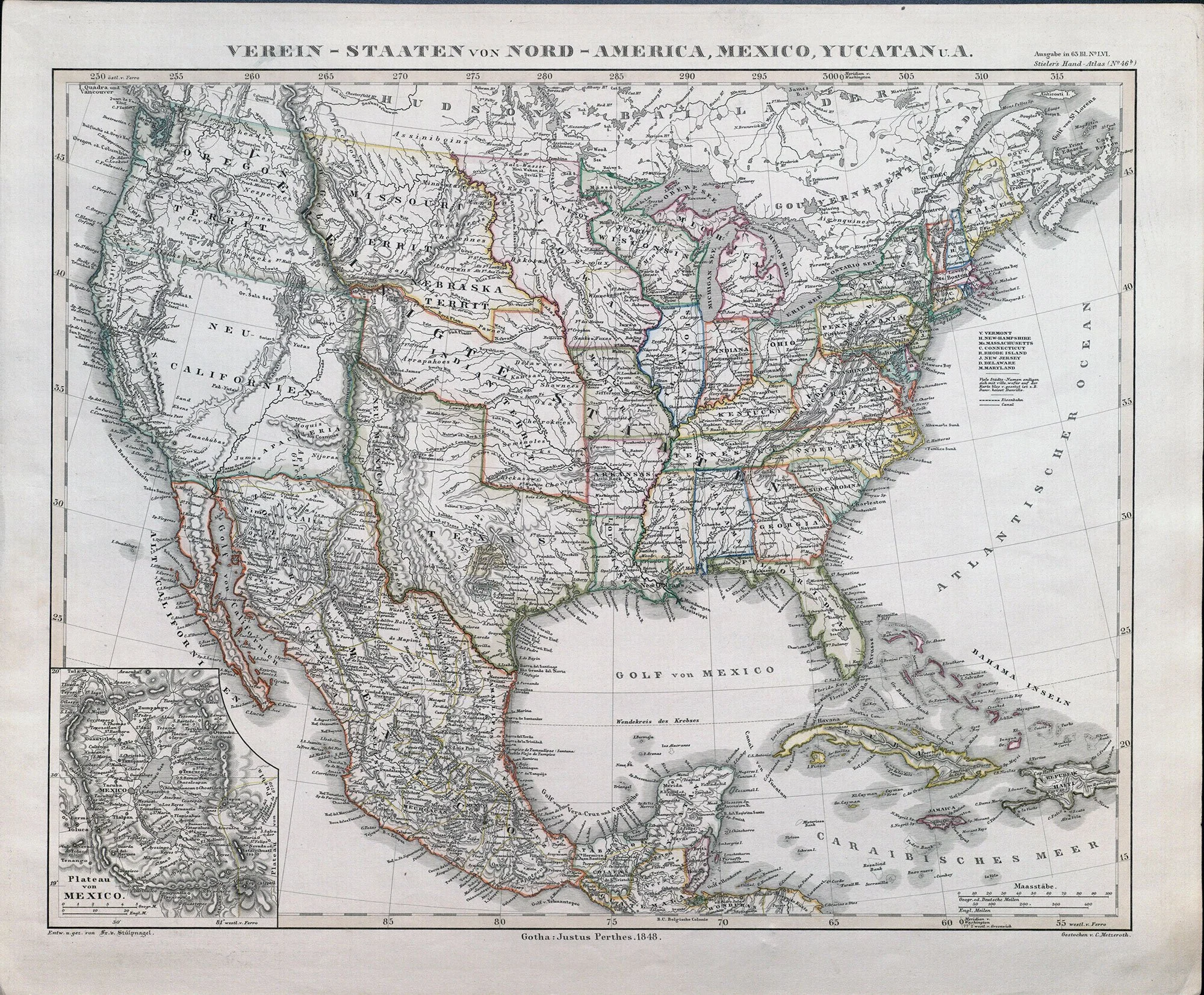
A Larger Territory. From Texas to California, expansion accelerated. With every new map came the same unanswered question: what kind of nation would this become?
New Ground
As the United States pushed westward, every new territory offered opportunity—but also carried forward the nation's unresolved question: would slavery expand with the Union, or remain confined?
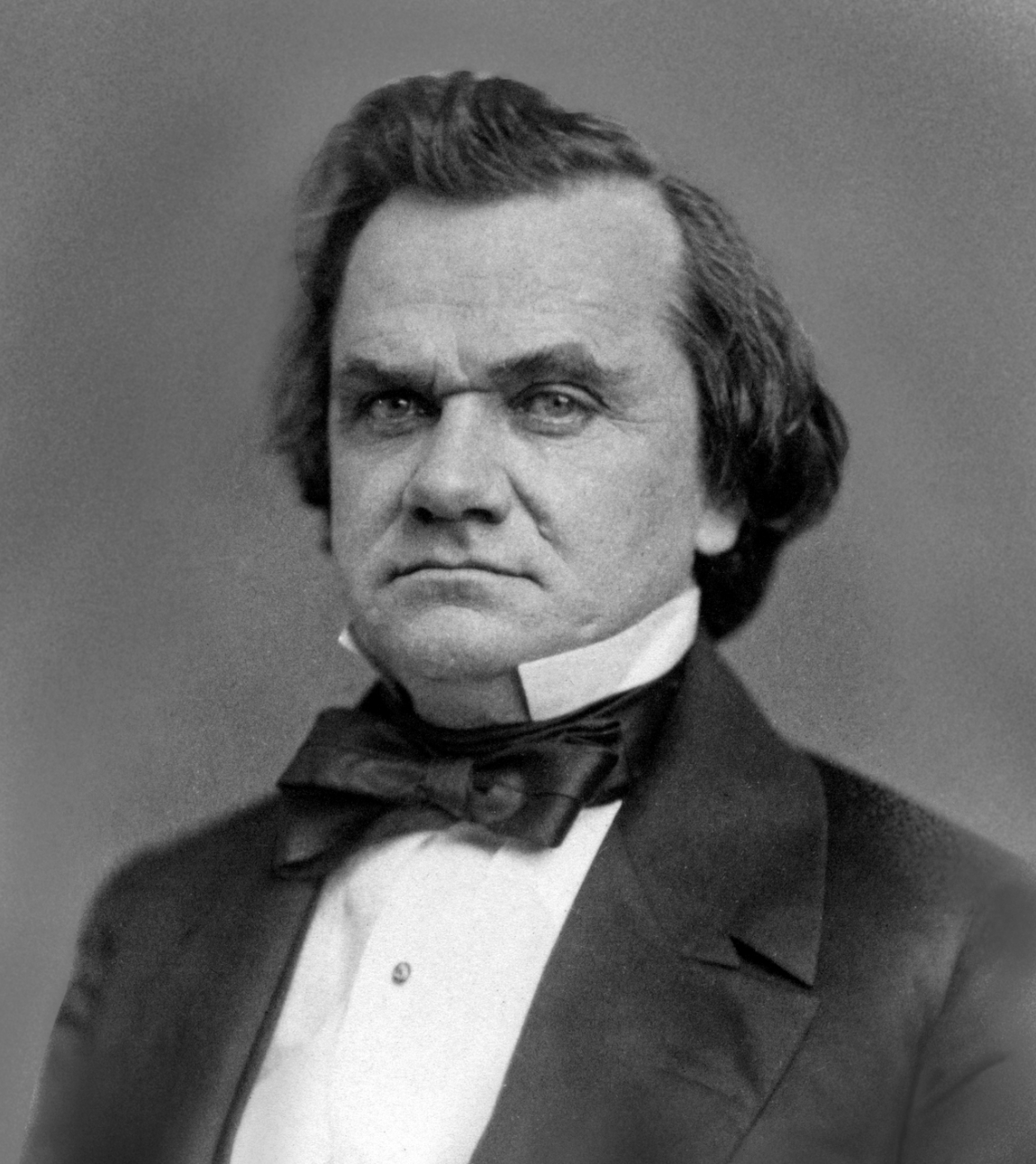
Kansas-Nebraska Act. In 1854, Senator Stephen A. Douglas pushed through legislation allowing settlers in Kansas and Nebraska to decide the slavery question themselves. In doing so, the act overturned the Missouri Compromise restriction and reopened the struggle over slavery's expansion.
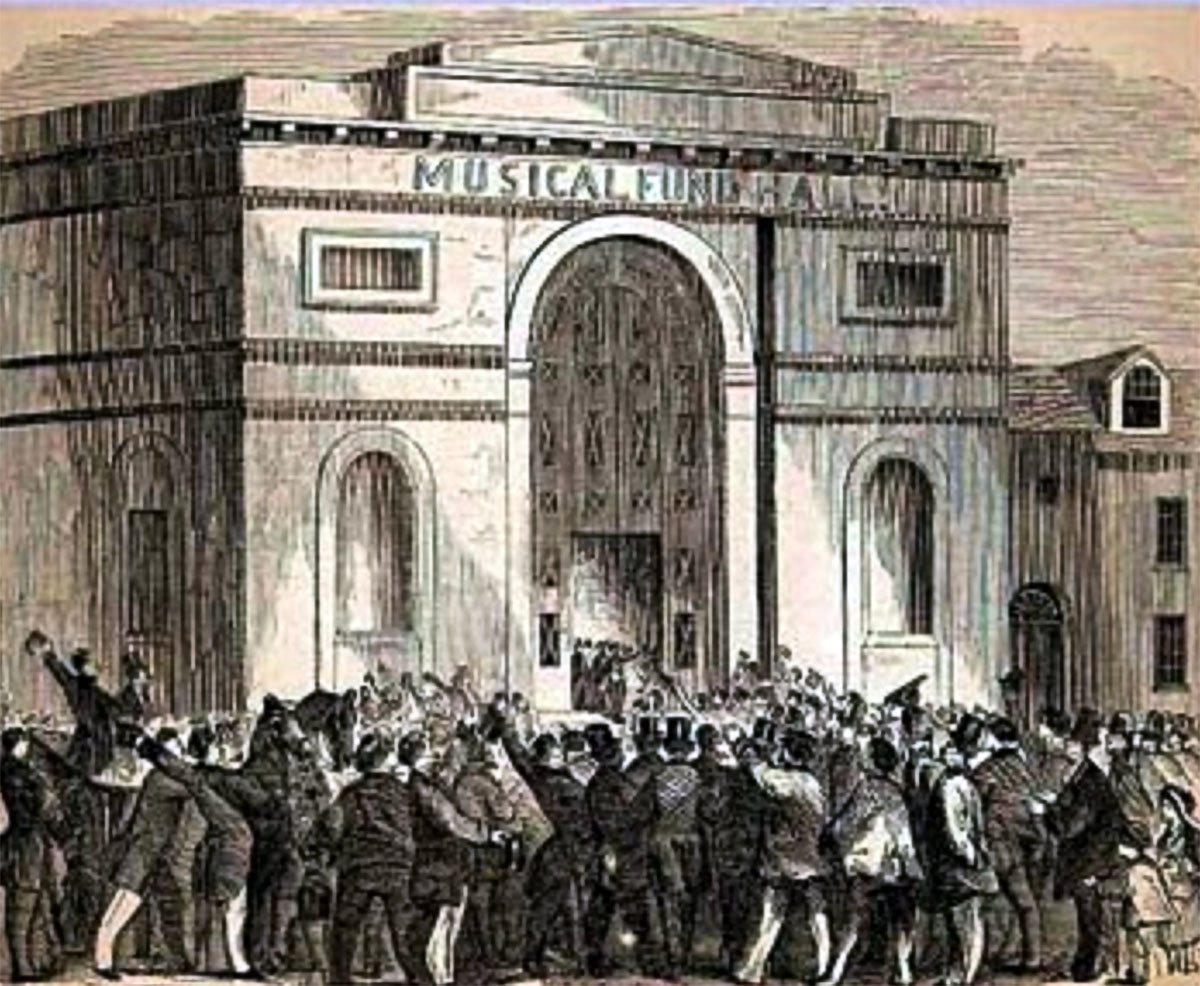
A New Party — 1854 Opposition to the expansion of slavery brought together former Whigs, Free Soilers, and antislavery Democrats in a new Republican Party. Its central position was to prevent slavery's extension into the territories, while leaving it where it already existed.
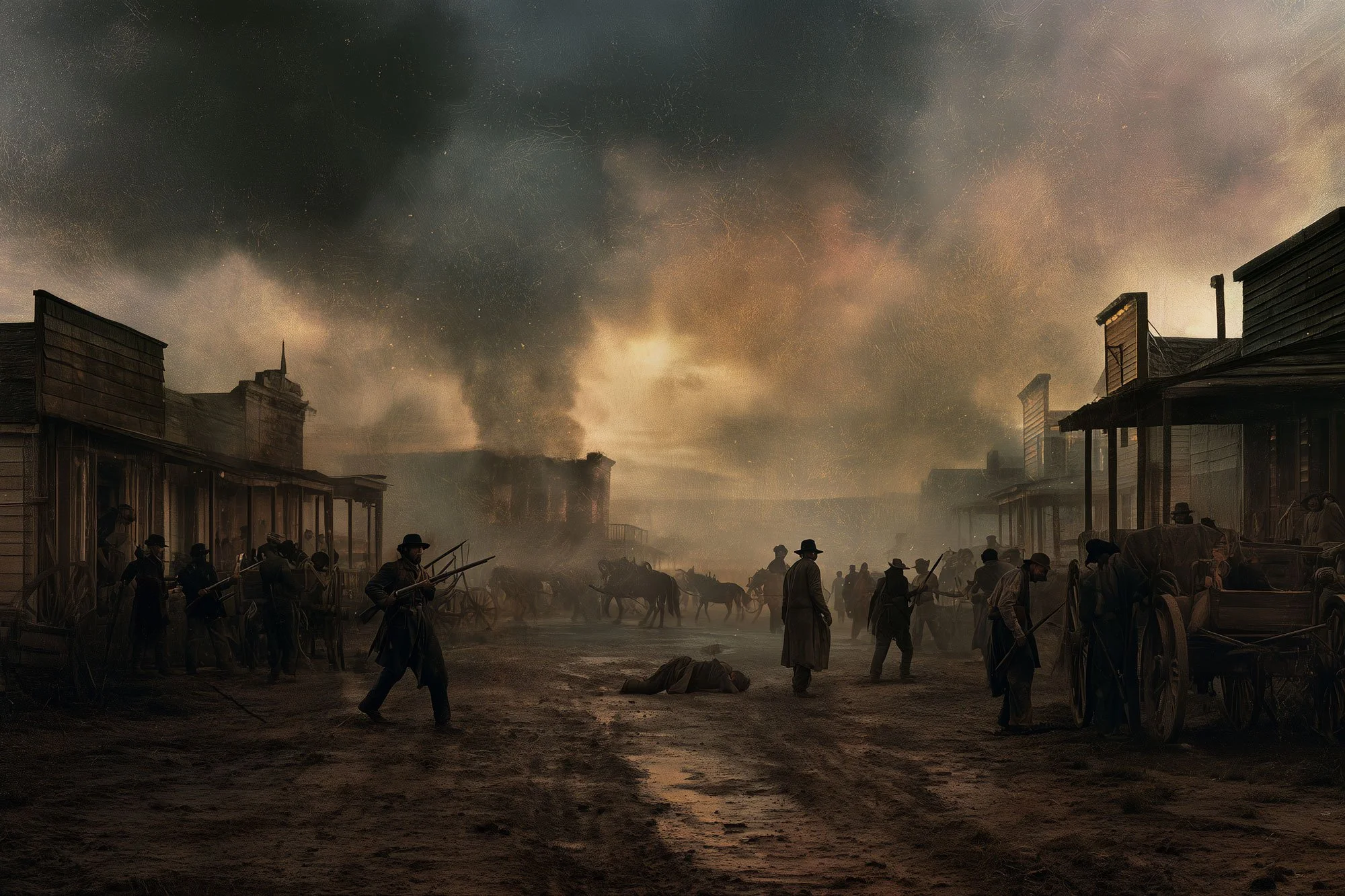
Popular sovereignty did not settle the issue. Proslavery and antislavery settlers competed for control of Kansas, and political conflict turned violent—a warning that compromise over slavery was beginning to fail.
By the mid-1850s, the political system that had contained the slavery question was breaking apart.
The central dispute was increasingly clear: would slavery remain protected where it already existed, or would it also be permitted to expand into the nation's western territories?
The Kansas-Nebraska Act reopened that question. Violence in Kansas showed how difficult it had become to resolve. And the emergence of the Republican Party created a powerful new political coalition opposed to slavery's expansion.
What had once been managed through compromise was becoming a sectional contest over the future of slavery—and the future of the Union.
A House Dividing
(1848–1865)
A nation tested beyond compromise.
What had been debated could no longer be contained.
For decades, the nation had expanded while attempting to preserve a political balance between free and slave states. But the underlying question remained unresolved: could slavery be contained where it already existed, or would it expand with the nation?
After 1854, the room for compromise narrowed rapidly.
The Supreme Court's Dred Scott decision strengthened constitutional protections for slavery in the territories. Abraham Lincoln and Stephen Douglas carried the argument before the country.
John Brown's raid on Harpers Ferry deepened Southern fears. And in 1860, the Democratic Party fractured along sectional lines.
The election that followed would bring the crisis to a breaking point.
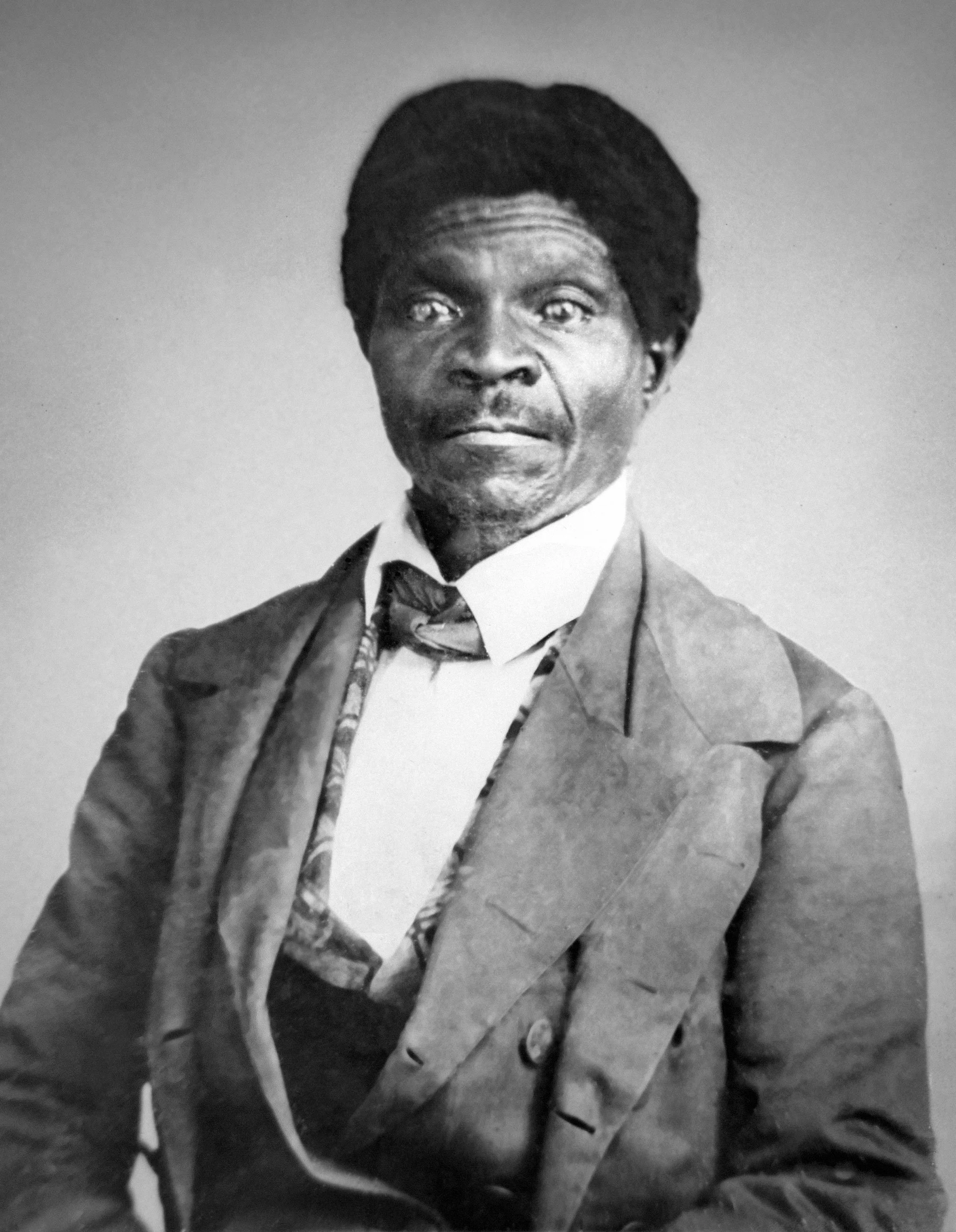
Dred Scott — 1857. The Supreme Court ruled that African Americans could not be citizens of the United States and that Congress lacked authority to prohibit slavery in the federal territories. Rather than settling the slavery question, the decision intensified the sectional conflict.
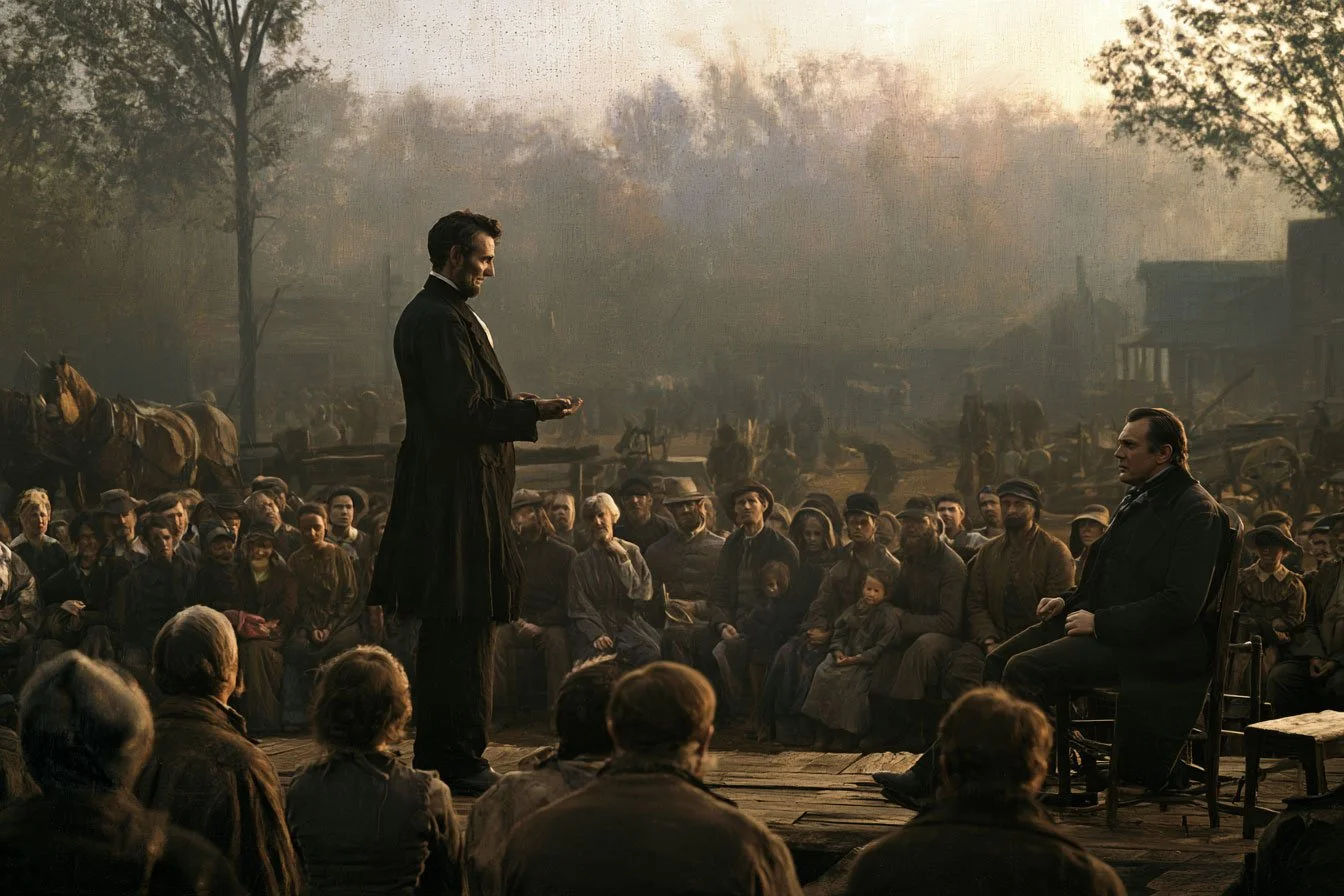
Lincoln and Douglas — 1858. In a series of Illinois Senate debates, Abraham Lincoln and Stephen A. Douglas confronted the question dominating national politics: whether slavery would be permitted to expand westward. Their arguments brought the sectional divide before a national audience.
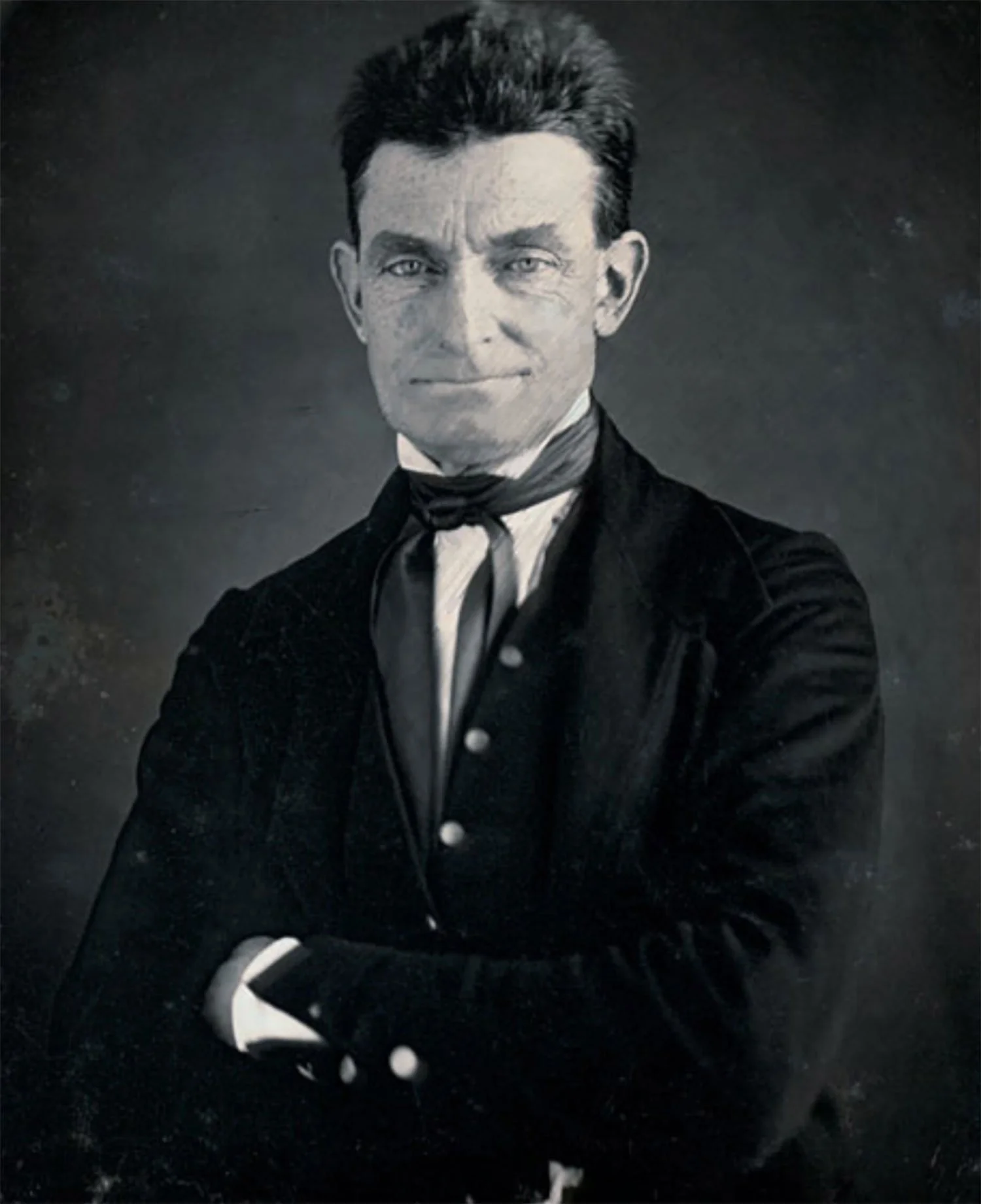
Harpers Ferry — 1859. Abolitionist John Brown attempted to seize the federal arsenal at Harpers Ferry and spark an uprising against slavery. The raid failed, but Brown's execution made him a martyr to some in the North and intensified fears across the South.
The Union Breaks
By 1860, the political system that had repeatedly contained the slavery question was coming apart.
The presidential election would set in motion a chain of events that transformed sectional crisis into secession—and secession into war.
The Union Breaks
The election of 1860 shattered an already divided political system. Secession, the formation of the Confederacy, and the confrontation at Fort Sumter transformed a decades-long political crisis into civil war.
The political crisis had become a military one.
What generations of Americans had tried to contain through compromise would now be decided by war.
The Breaking Point
The Civil War tested whether the Union could survive by force of arms. What began as a struggle over Union and secession would become a war that transformed the nation and the future of slavery.
As the war entered its third year, the struggle grew larger than either side had imagined.
What had begun as a fight to preserve or dissolve the Union was becoming a conflict that would also determine the future of slavery and the meaning of the nation itself.
Harriet Tubman
After escaping slavery in 1849, Harriet Tubman returned again and again—guiding others to freedom and later serving the Union Army as a scout and spy.
Tubman’s story was part of a larger transformation already underway. As the war continued, emancipation, Black military service, and Union victories changed both the conflict and the nation.

Emancipation. In 1863, the Emancipation Proclamation transformed the purpose of the war by declaring freedom for enslaved people in areas still in rebellion and opening the door for thousands of African Americans to serve in the Union Army.

The Turning Point. Union victories at Gettysburg and Vicksburg in 1863 shifted the momentum of the war, strengthening Northern resolve while revealing the immense human cost of preserving the Union.
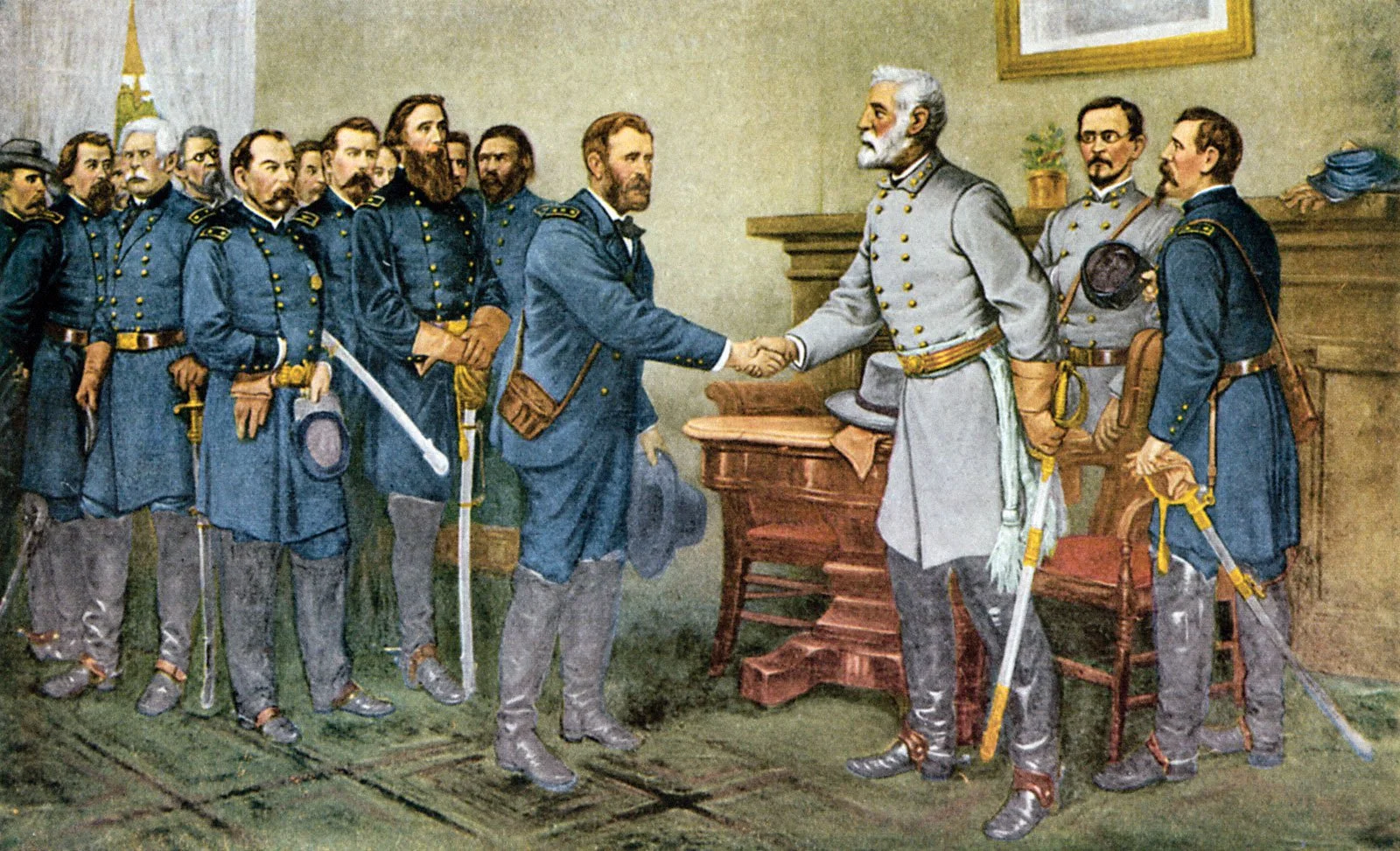
The War Ends. In April 1865, General Robert E. Lee surrendered the Army of Northern Virginia at Appomattox Court House. Four years of war had preserved the Union, but left the nation facing the difficult work of healing and rebuilding.
Four years of conflict had transformed the nation in ways that would endure long after the fighting stopped.
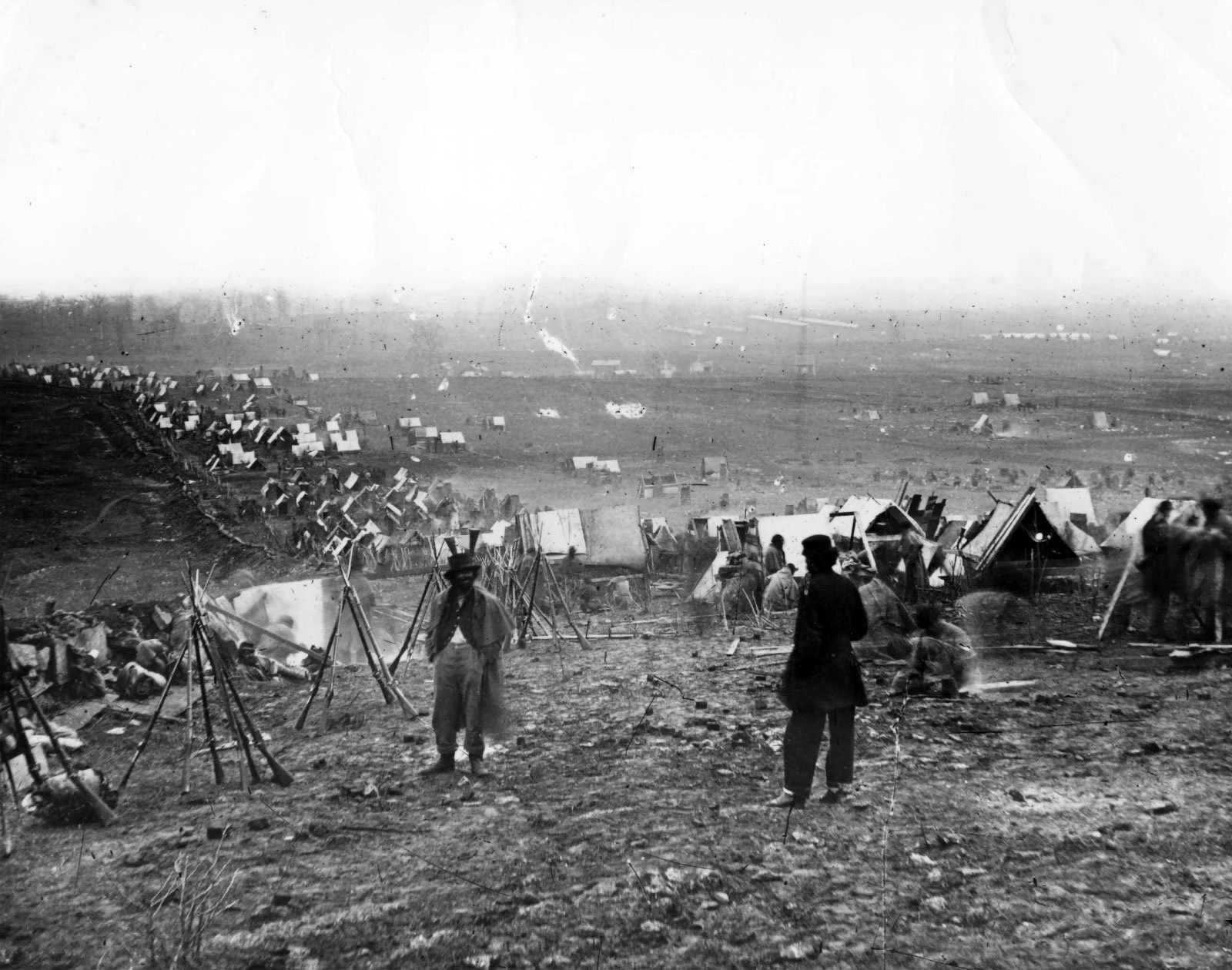
A Nation Transformed. Four years of conflict reshaped the United States, mobilizing millions of soldiers and civilians in a struggle unlike any the nation had known.
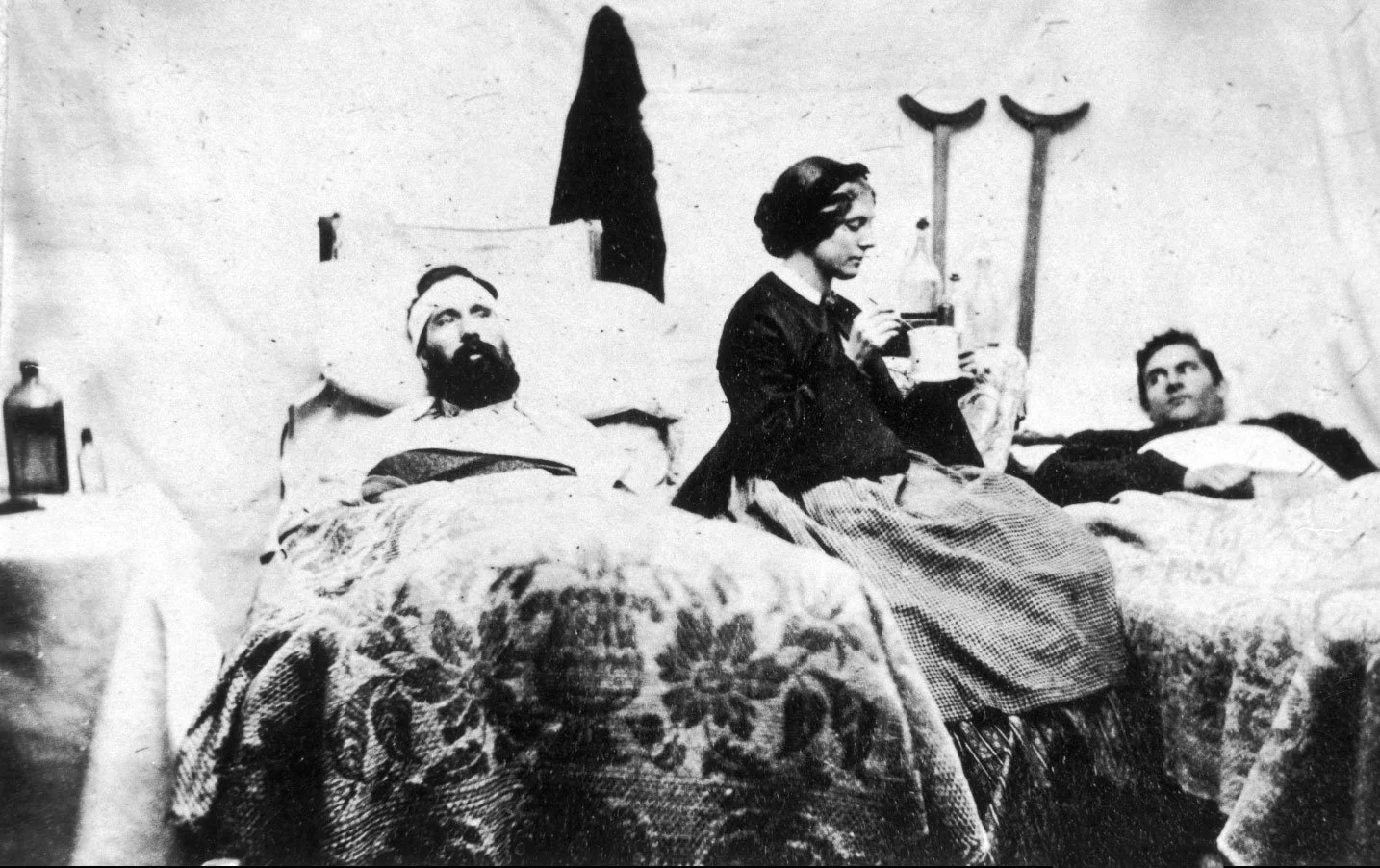
The Human Cost. More than six hundred thousand Americans lost their lives, while countless others carried physical and emotional scars that would endure long after the fighting ended.
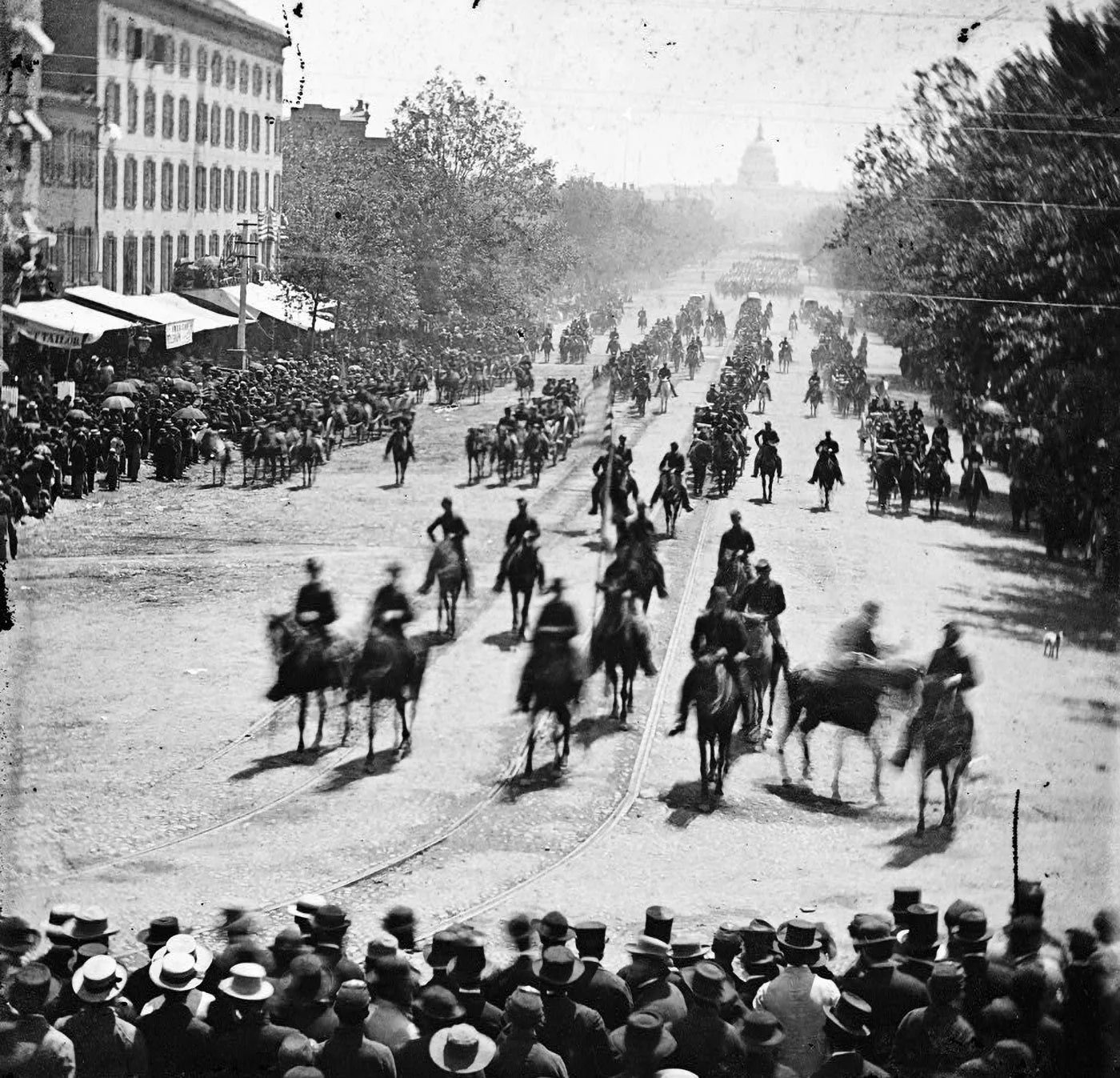
Victory. The Civil War ended with the preservation of the United States. The Union had survived, but the work of healing the nation and defining the meaning of freedom had only begun.
The Civil War transformed both the nation and the presidency of Abraham Lincoln.
What began as a struggle to preserve the Union became inseparable from the destruction of slavery—and from a larger question about the meaning of the nation's founding promise.
Abraham Lincoln
A portrait of the president who led the nation through civil war and emancipation—and left behind a Union transformed by both.
The Union had survived. But survival did not settle the questions the war had exposed.
Peace would test what freedom, citizenship, and reunion would mean.