
THE CONSTITUTION
1787-1789
Governing a Revolution
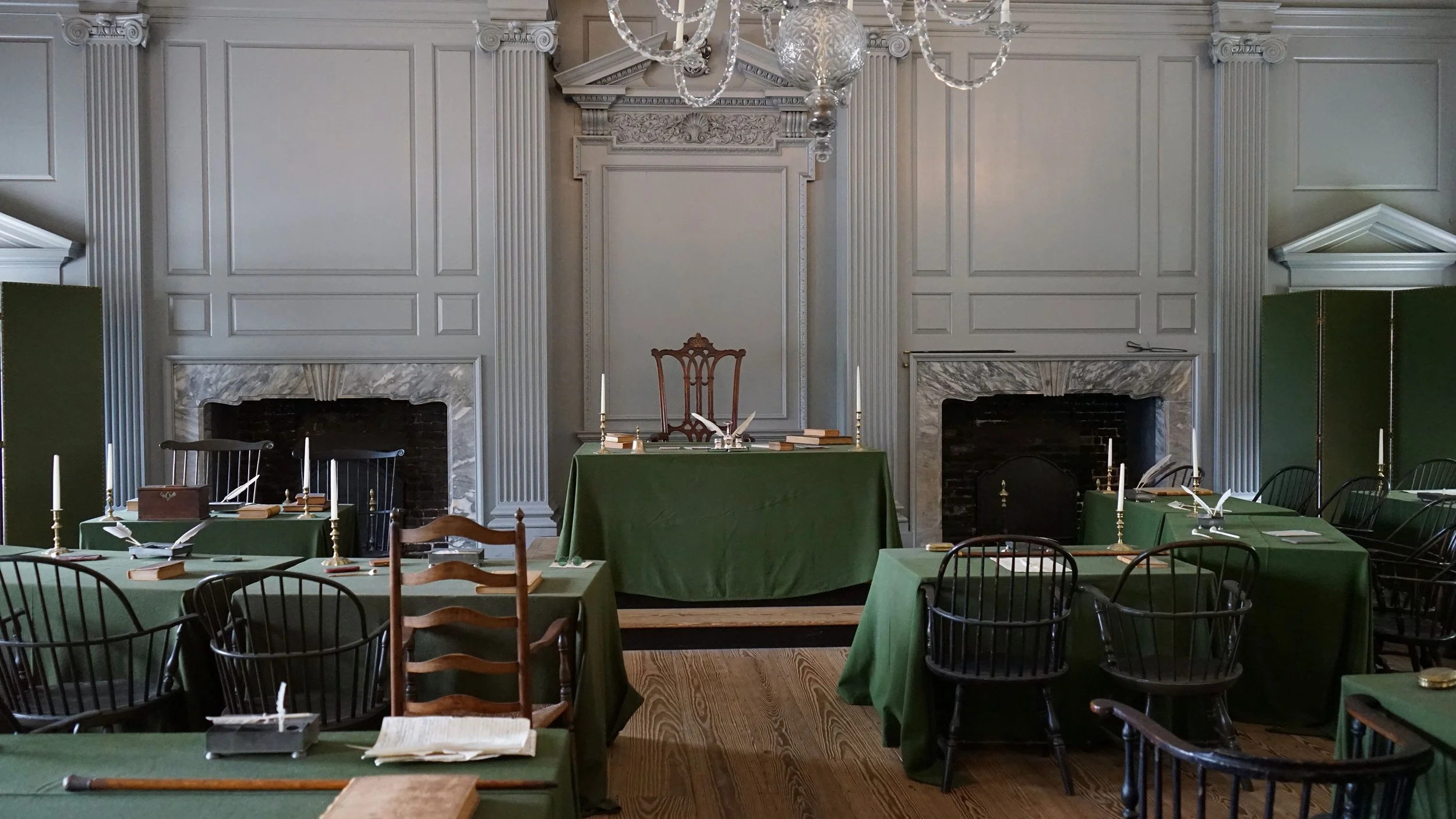
Independence Hall, Philadelphia — where the Revolution turned from victory to governance.
The Revolution secured independence, but not an effective government. Victory answered who would rule, but not how power should be exercised, limited, or shared. Americans had won the right to govern themselves; now they had to determine how self-government would work.
The war exposed both the promise and the peril of popular rule. The states guarded their sovereignty, Congress possessed authority without the means to enforce it, and the distrust of centralized power that had fueled resistance to Britain now complicated the task of governing a nation.
Under the Articles of Confederation, Congress possessed little practical authority. It could request money from the states but not compel payment, negotiate treaties but struggle to enforce them, and maintain an army only with state cooperation.
As economic hardship and political unrest spread during the 1780s, many Americans began to question whether the Revolution had created a government strong enough to preserve the nation it had won.
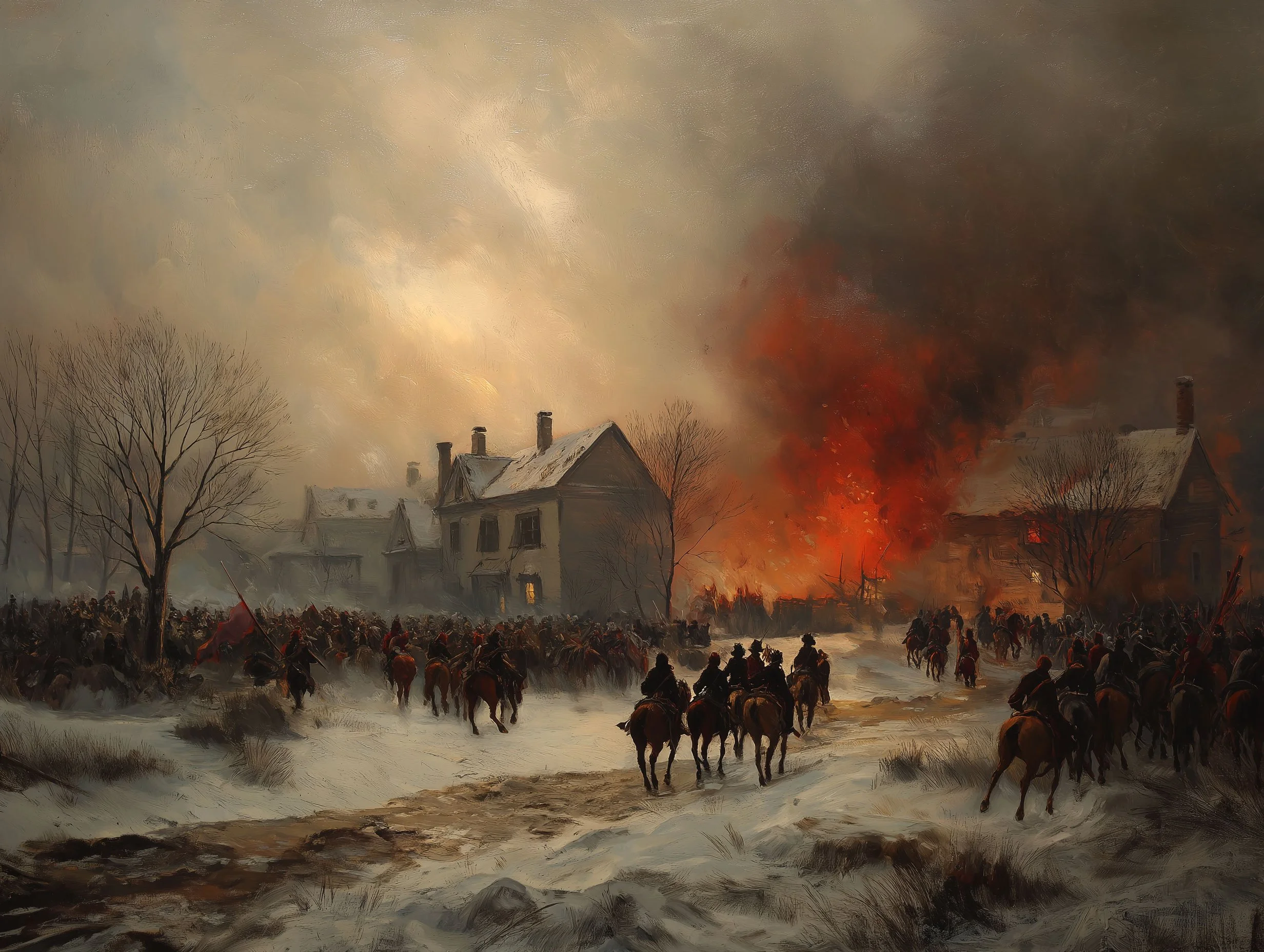
Shay’s Rebellion (1786–1787) Interpretive image
Indebted farmers in western Massachusetts closed courts and challenged state authority to resist foreclosures and crushing debt. Though not an attempt to overthrow the republic, the uprising exposed the weakness of the Articles of Confederation and convinced many leaders that the nation required a stronger federal government.
Shays' Rebellion became the clearest warning that independence alone could not preserve the republic.
In 1787, delegates from twelve states gathered in Philadelphia to design a stronger framework for government.

Jean-Antoine Houdon, bust of George Washington, c.1786. From Mount Vernon, Washington warned that "mankind, when left to themselves, are unfit for their own government," fearing the unrest exposed weaknesses the republic could no longer ignore.

Portrait of Thomas Jefferson by Rembrandt Peale. Serving in France, Jefferson viewed the uprising differently, believing occasional unrest was the natural price of liberty rather than a sign of national failure.

The contrast between Washington and Jefferson captured a broader national divide. Was rebellion a sign of failure — or proof of liberty alive? The answer would determine whether the United States remained a loose confederation or became something entirely new.
Philadelphia, 1787
By 1787, even skeptics conceded the system could not endure unchanged. What began as a call to revise the Articles became something far more ambitious—a convention to reconsider the foundations of government itself.
The Constitutional Convention emerged not from triumph but from uncertainty. Delegates brought different interests, different fears, and different visions of liberty.
Their challenge was no longer whether the Union should endure, but what kind of government could preserve both liberty and the Union.
The Limits of Victory
The crisis had become clear. The solution had not.
The Articles of Confederation had created a union deliberately limited in its power. Experience had revealed the weaknesses of that arrangement—but strengthening national authority raised questions of its own.
How much power should the new government possess? How should that power be divided? And what would prevent it from threatening the liberty it was created to protect?
The debates that followed would determine not only how Americans would govern themselves—but what kind of republic they would become.
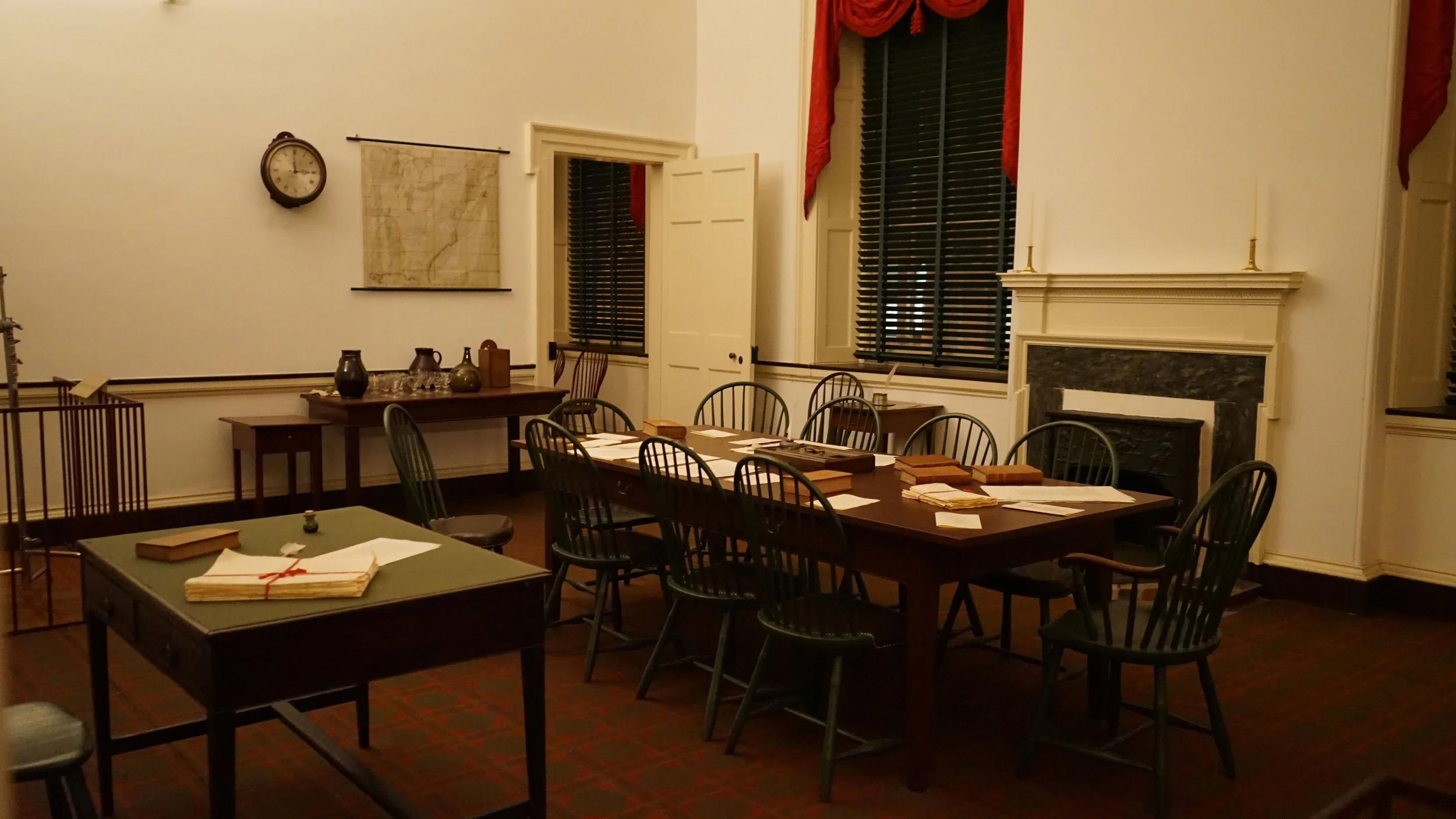
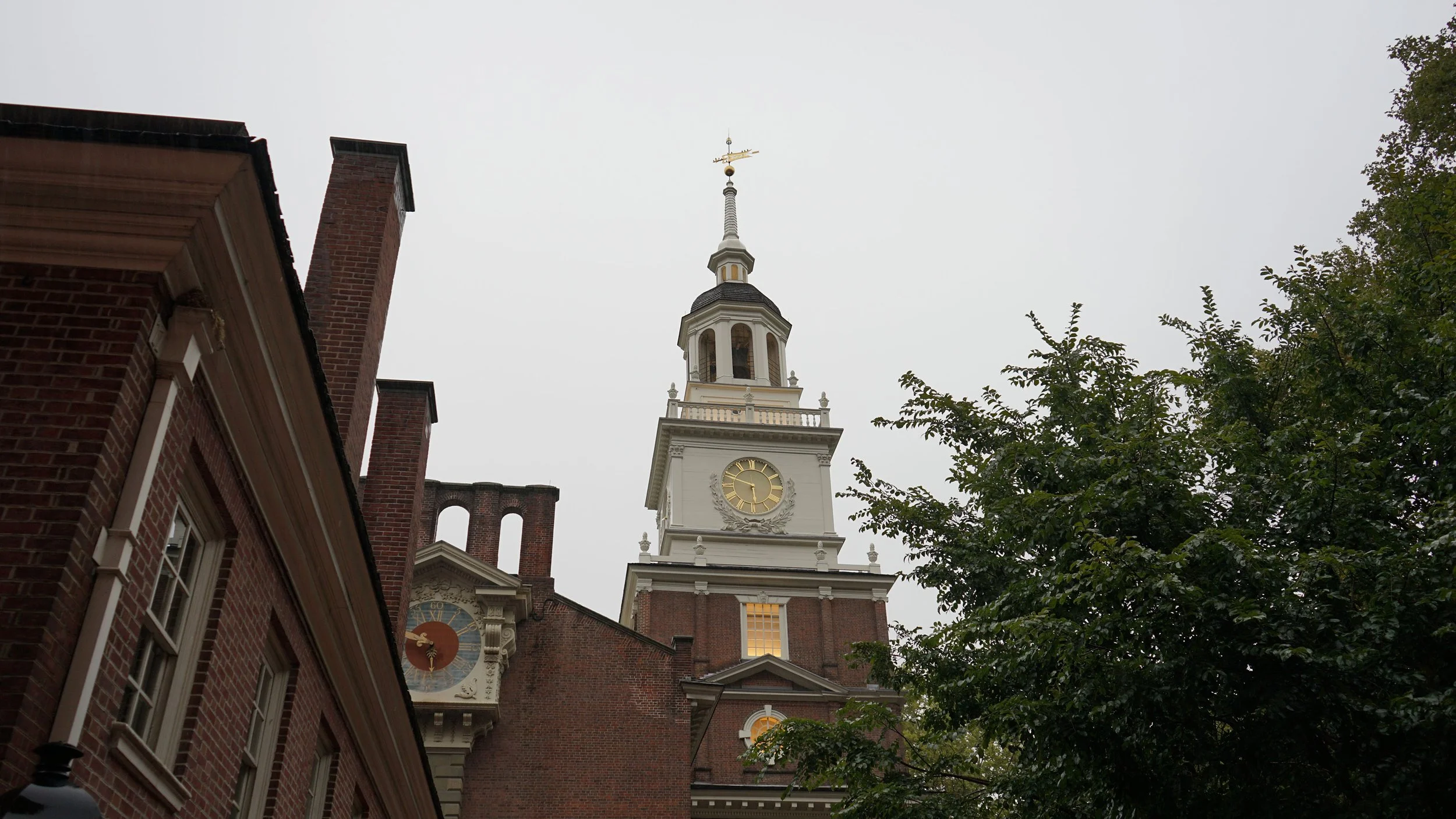
Congress Hall, Philadelphia.
Here the government created by the Constitution first went to work, serving as the meeting place of the United States Congress from 1790 to 1800. If Independence Hall was where the Constitution was written, Congress Hall was where it first came to life.
Inside the Convention
The Convention confronted fundamental questions of self-government. How strong should a national government be? How could liberty be protected while creating an authority capable of governing? And how could thirteen states form a stronger union without surrendering the powers they considered essential?
No delegate had prepared more thoroughly for those questions than James Madison. Quiet by temperament but formidable in intellect, Madison had spent years studying governments throughout history, searching for the principles that allowed republics to endure.
He would become one of the Convention's leading architects.
The Father of the Constitution
James Madison's ideas helped transform a gathering of delegates into the constitutional framework that has endured for more than two centuries.
The Convention at Work
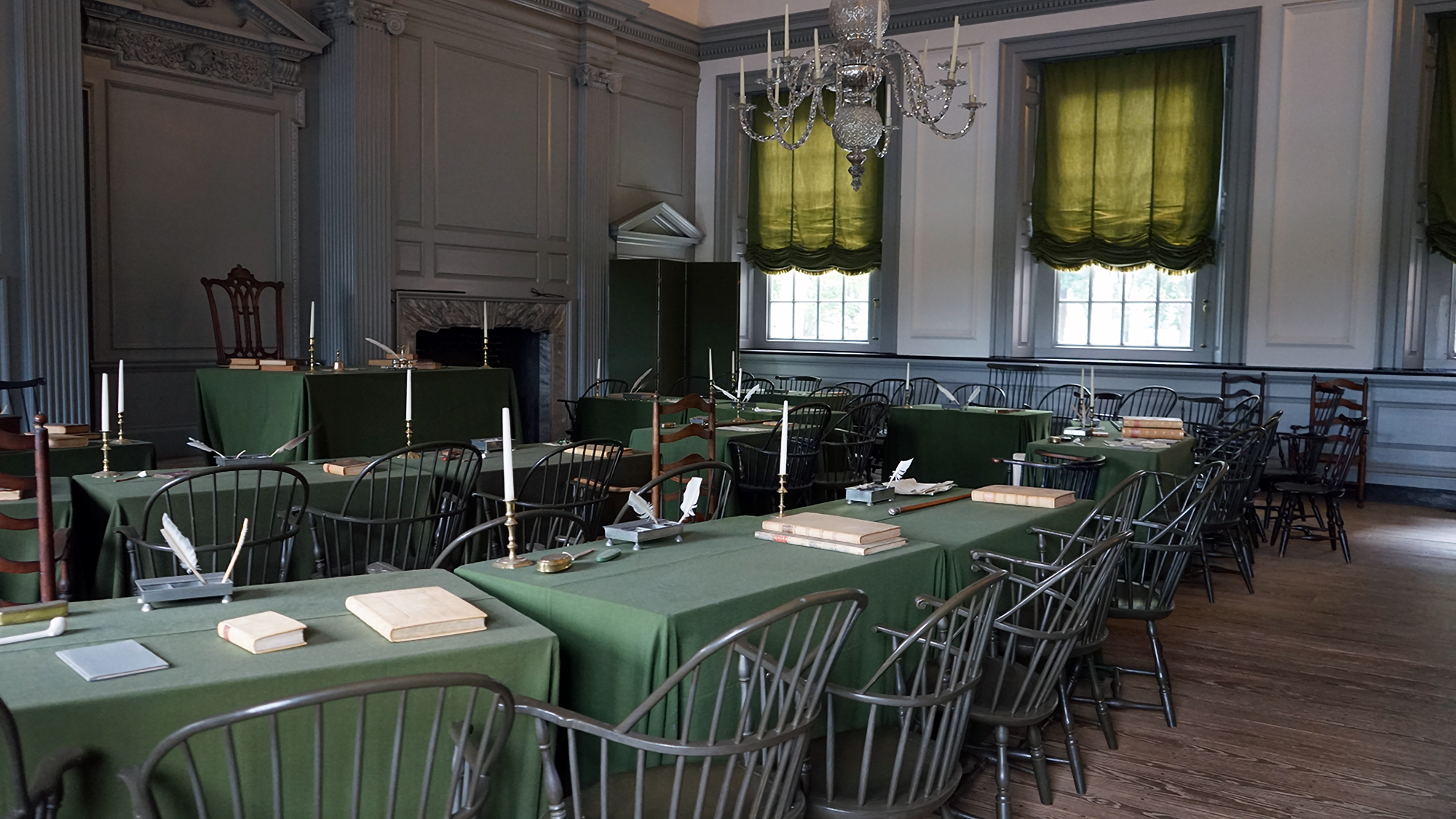
Behind closed doors, the delegates argued through one of the most consequential political debates in history.
Over four months they proposed, rejected, revised, and compromised—slowly transforming competing visions into a new framework of government.
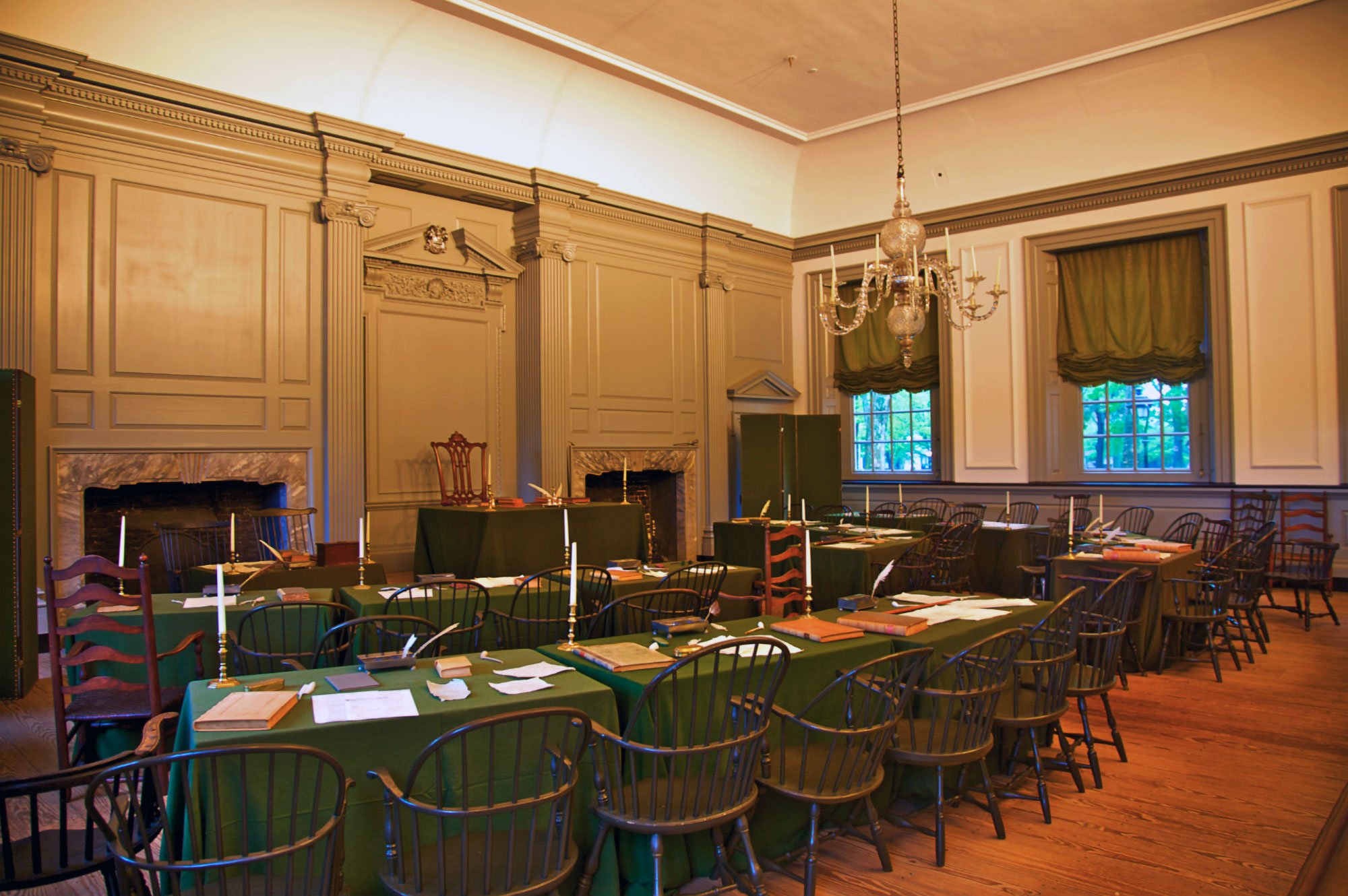
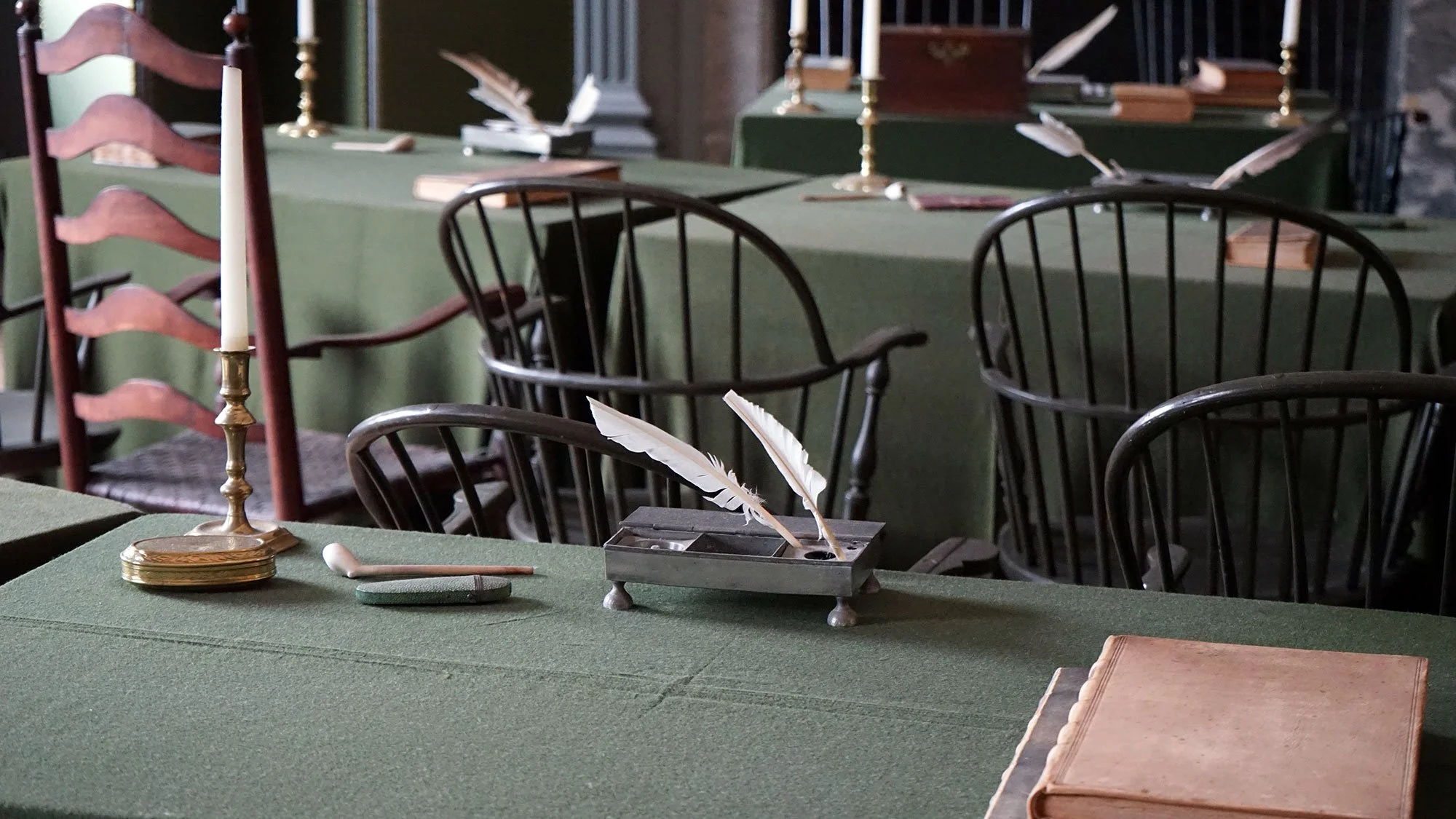
Independence Hall, Philadelphia. During the summer of 1787, delegates met behind closed doors in stifling heat, sealing the windows against the noise and smells of the street as they debated, compromised, and reshaped American government.
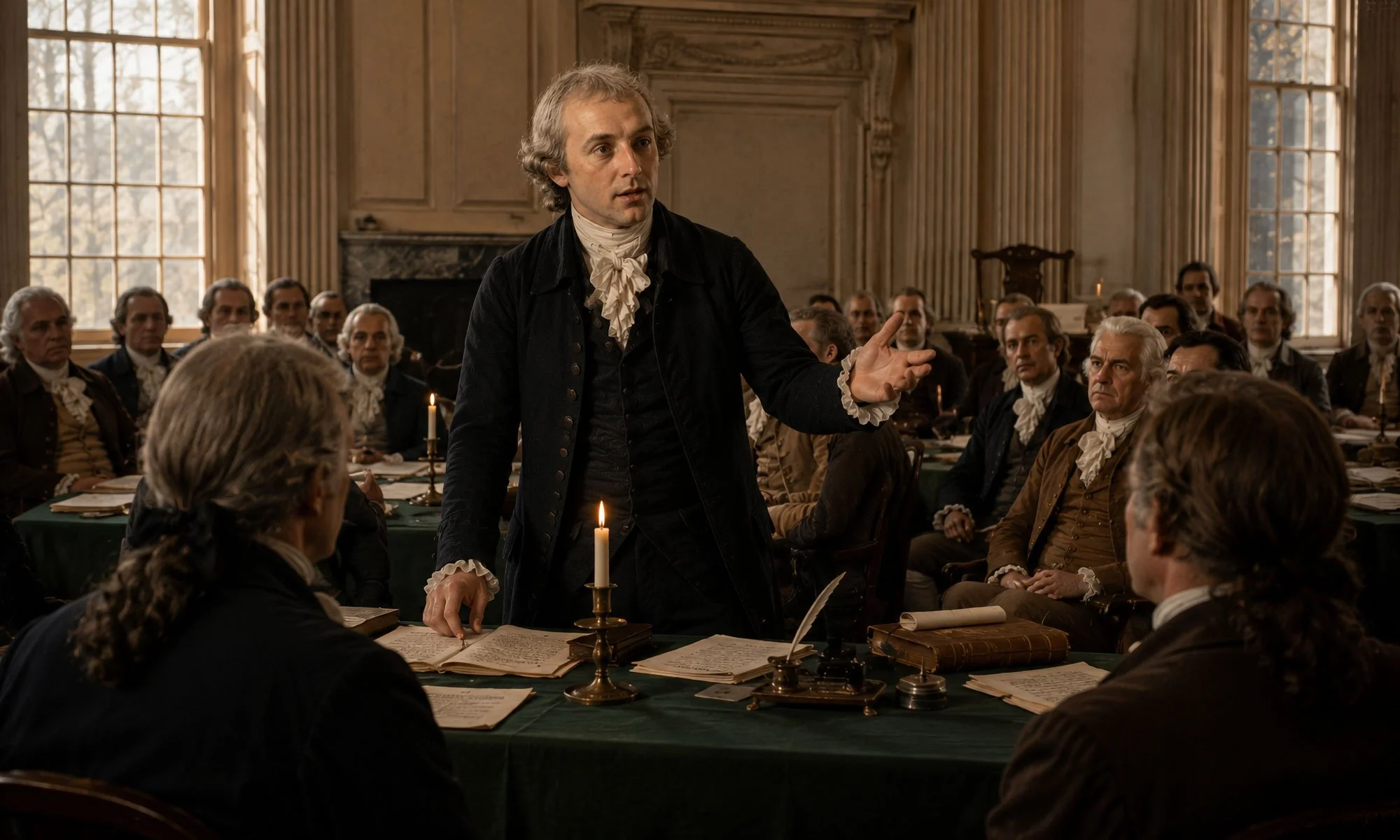
Madison rarely led by force of personality. Instead, his careful preparation, persuasive arguments, and meticulous note-taking quietly shaped the Convention's work.
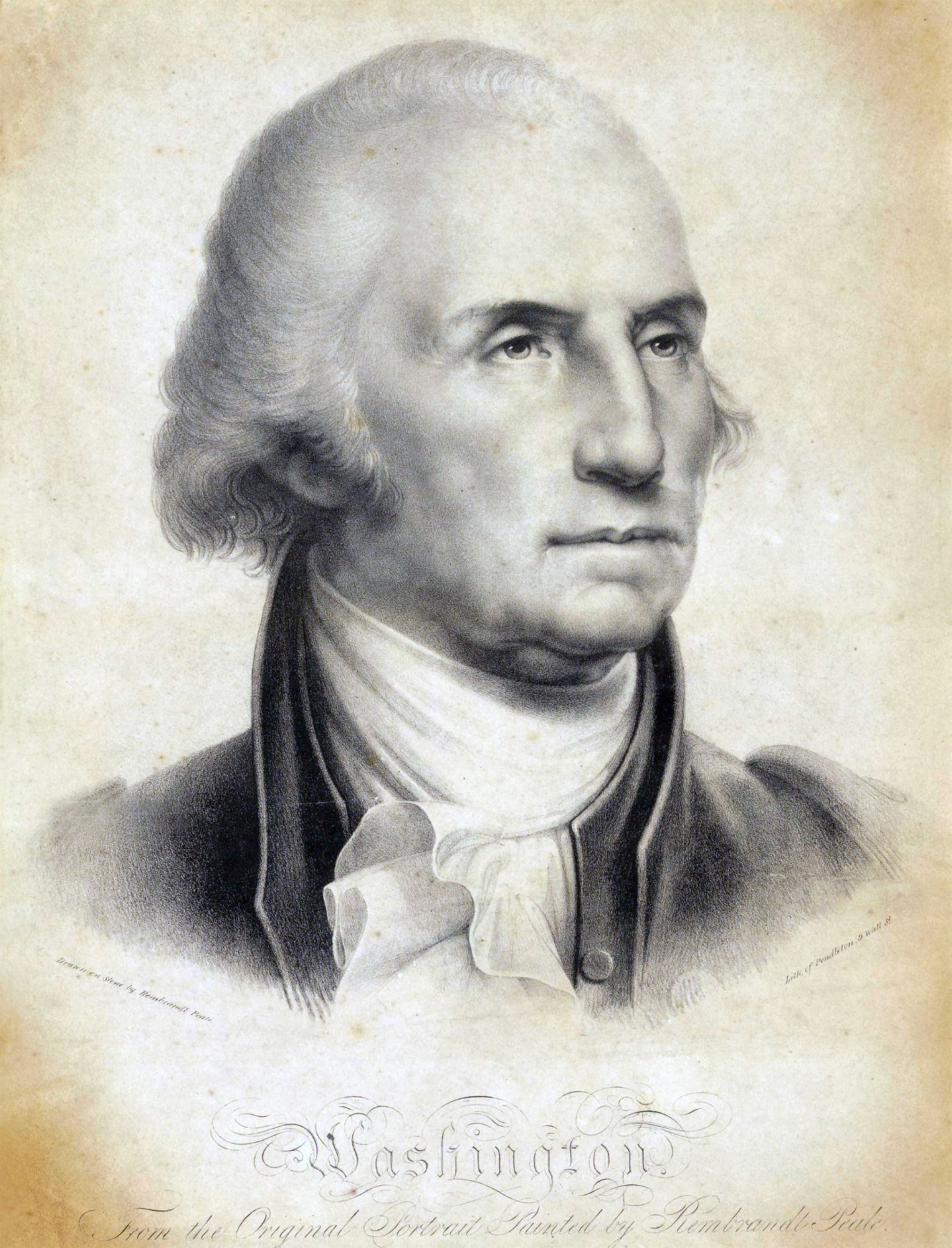
While Madison shaped many of the Convention's ideas, George Washington supplied something equally essential—authority. His presence reassured the delegates, lent legitimacy to the proceedings, and helped hold together a convention that might otherwise have fractured.
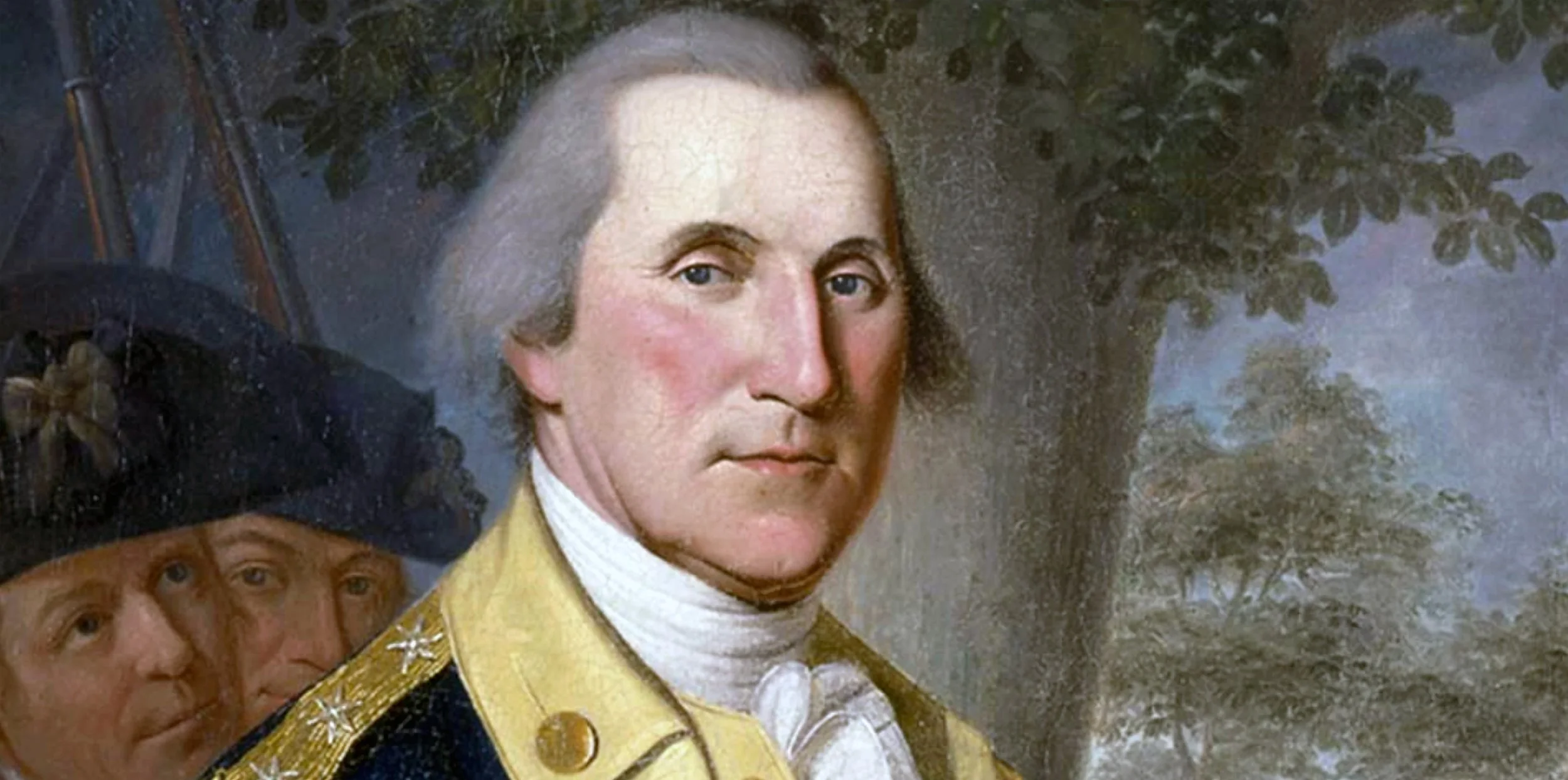
George Washington by James Peale, after Charles Willson Peale, c. 1787-1790.
Unanimously chosen to preside over the Constitutional Convention, George Washington brought something no other delegate could: unquestioned public trust.
Rather than dominate debate, he lent the proceedings legitimacy and helped keep a room of competing interests focused on creating a government that could endure.
Washington at the Convention
George Washington brought extraordinary stature to the Constitutional Convention. His presence helped lend legitimacy to the gathering—and to the new framework of government that emerged from it.
The Constitution was not the work of one man. Madison supplied the Convention's ideas. Washington gave it public authority.
One more Founder would help provide something just as essential: the wisdom to accept an imperfect compromise.
Benjamin Franklin and the Convention
Having helped secure American independence abroad, Benjamin Franklin devoted his final years of public service to helping unite a divided Constitutional Convention behind an imperfect but enduring framework of government.
Franklin believed a republic would endure not because it achieved perfect agreement, but because it gave disagreement a constitutional framework.
That conviction shaped the Constitution the delegates ultimately approved.
Designing Power
The Constitution sought to solve a difficult problem: creating a government strong enough to govern without becoming powerful enough to threaten liberty. The delegates rejected both unchecked power and the weakness that had plagued the Articles of Confederation.
Their answer was divided authority. Legislative, executive, and judicial powers would restrain one another so that no institution—or person—could dominate the republic.
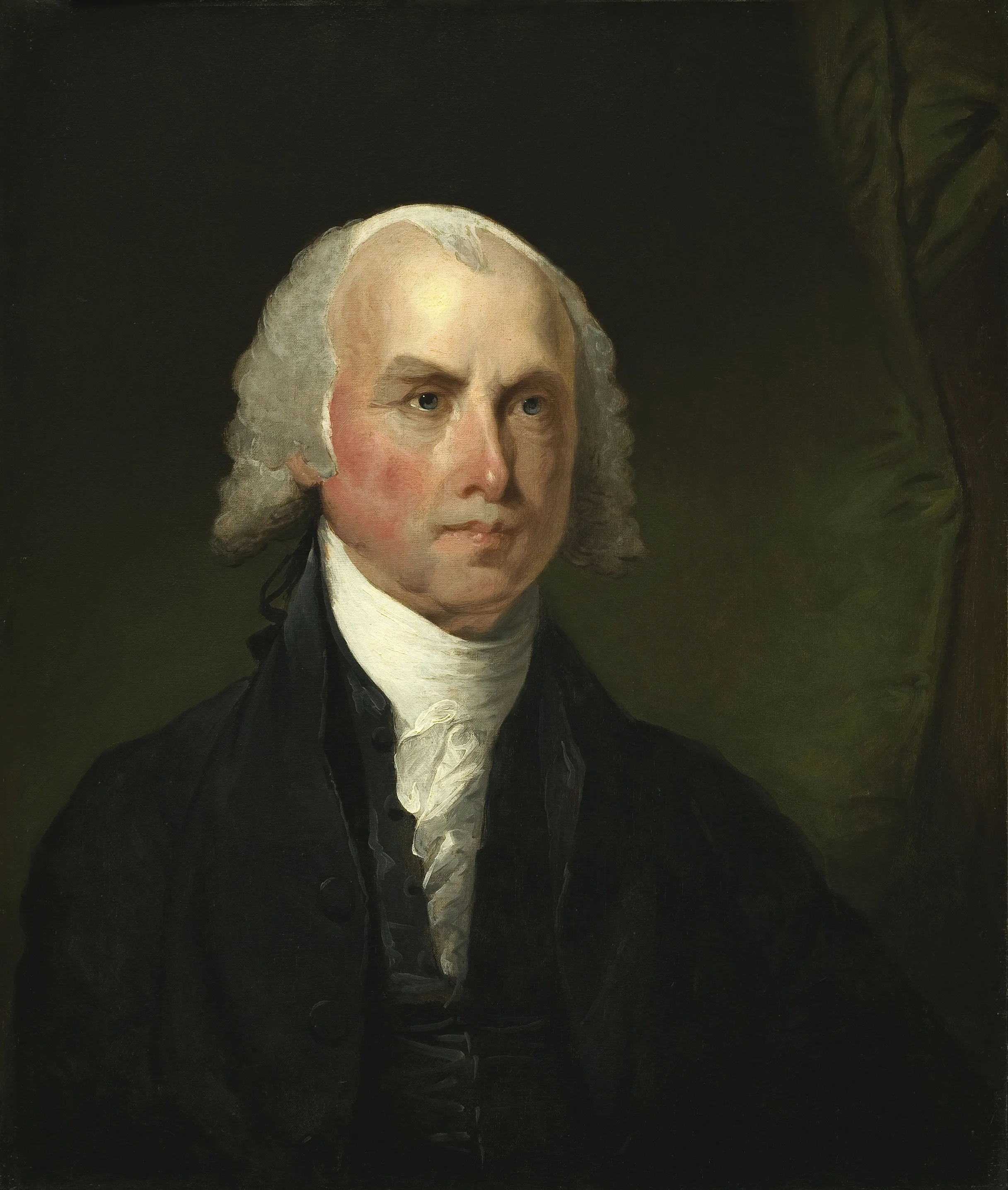
Portrait of James Madison by Gilbert Stuart, c. 1783.
Madison's ideas helped shape the Constitution's system of separated powers.
The Great Compromise
The Convention did not resolve disagreement by eliminating it. It preserved the Union by accommodating conflict — dividing power in ways that reflected competing interests rather than denying them.
The Convention's most consequential compromises addressed representation, slavery, and executive authority. Each resolved an immediate crisis while planting tensions that would shape the nation's future.
Representation. Large states favored representation by population; small states demanded equality. The compromise created a House based on population and a Senate giving every state equal representation.
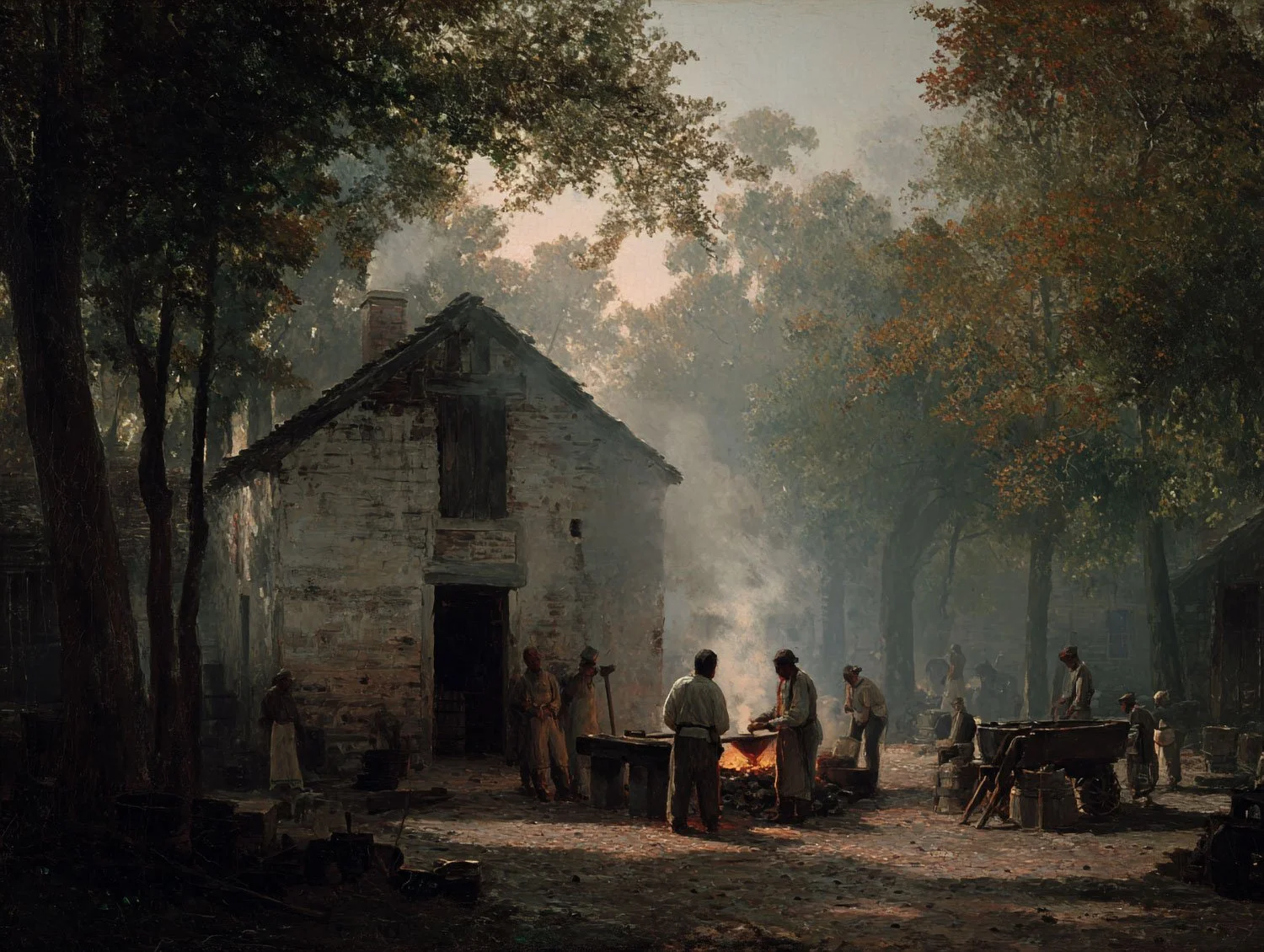
Slavery. Enslaved labor underpinned much of the early republic's economy while remaining largely absent from the Constitution's language. Compromises over representation and the slave trade preserved the Union but postponed a moral reckoning the nation would later face.
Executive Authority. Fearful of monarchy yet wary of paralysis, the delegates created a single executive—strong enough to govern, yet constrained by checks and balances.
The Constitution did not end disagreement—it gave it a framework. The struggle simply shifted from Philadelphia to the states, where Americans would decide whether this new government deserved to exist.
Ratification and Resistance
The Constitution did not become law simply because delegates signed it. It still had to be ratified by conventions in the states. Across the nation, Americans argued over whether this new government would preserve liberty—or endanger it.
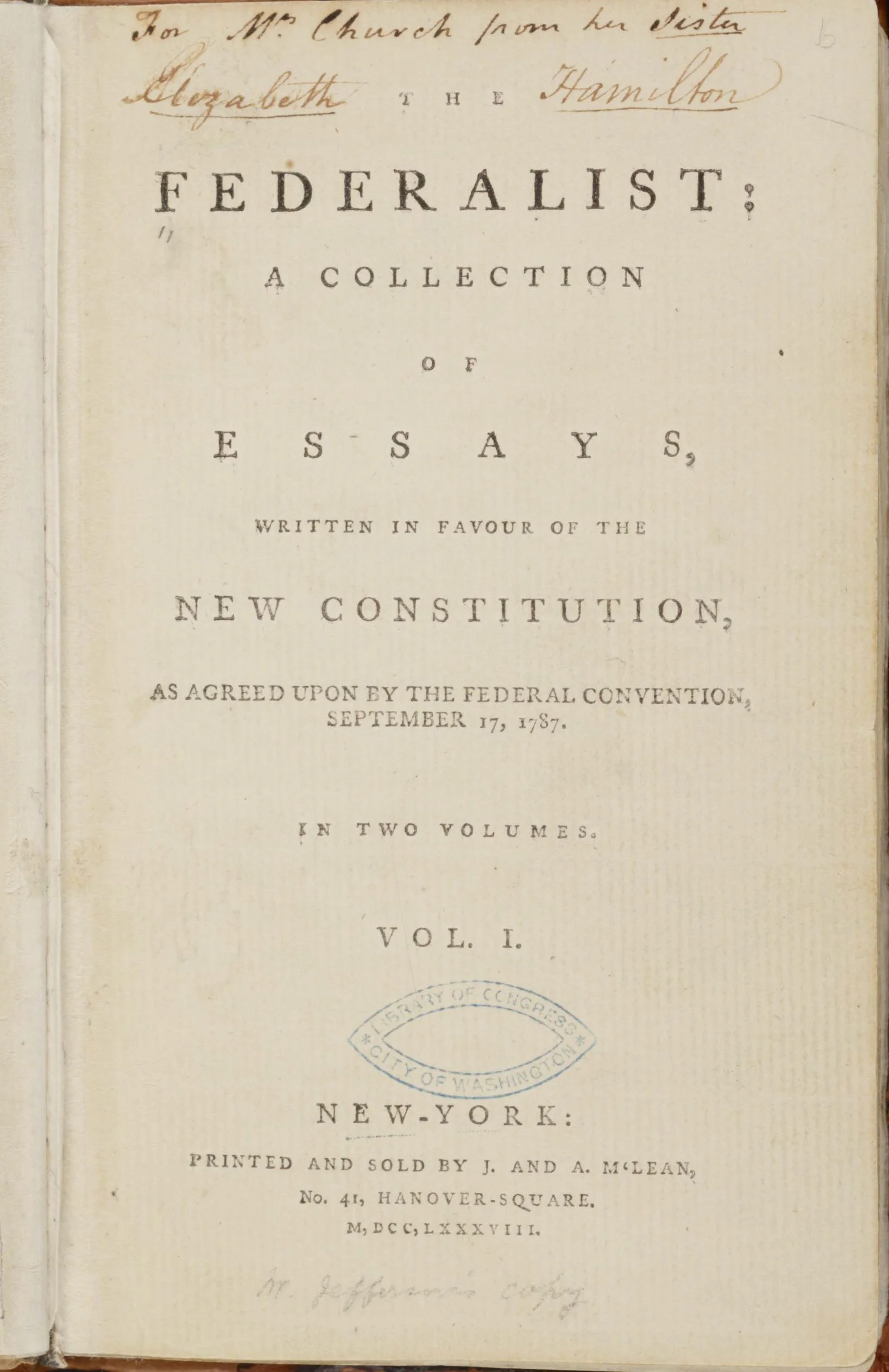
The Federalist Papers. Written by James Madison, Alexander Hamilton, and John Jay, the essays framed the Constitution as a safeguard against faction, instability, and collapse — arguing that liberty required structure as much as resistance.
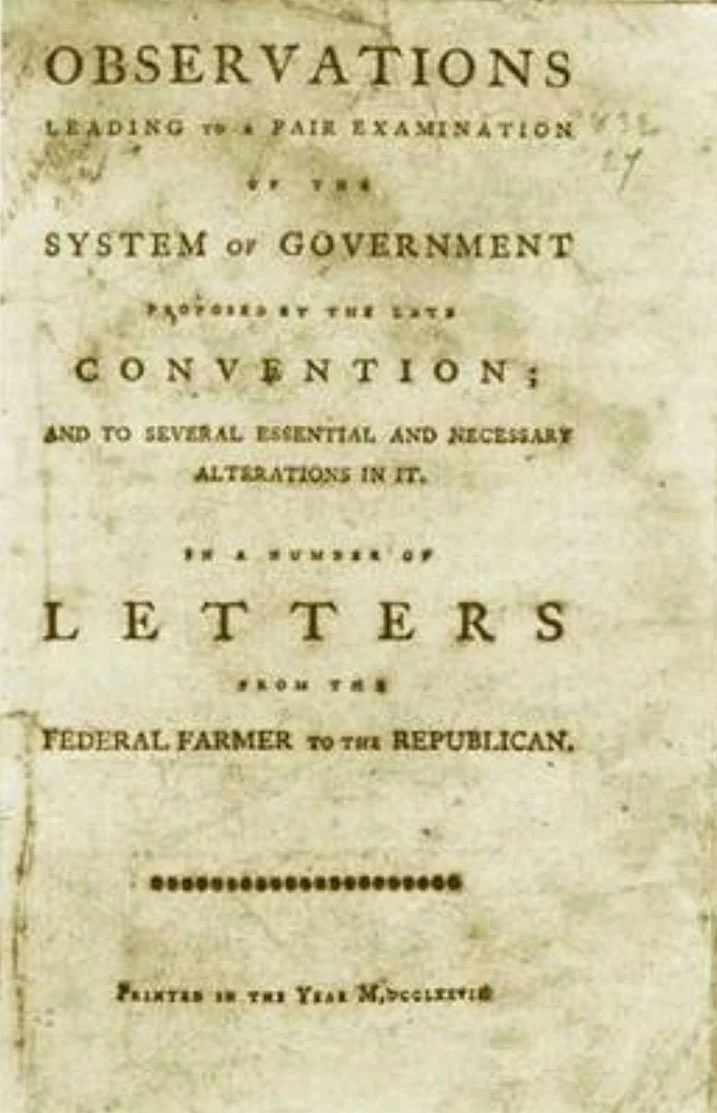
Anti-Federalist Opposition Critics feared a powerful central government would resemble the monarchy just defeated. Without explicit protections for individual rights, they argued, the Constitution risked replacing one distant authority with another.
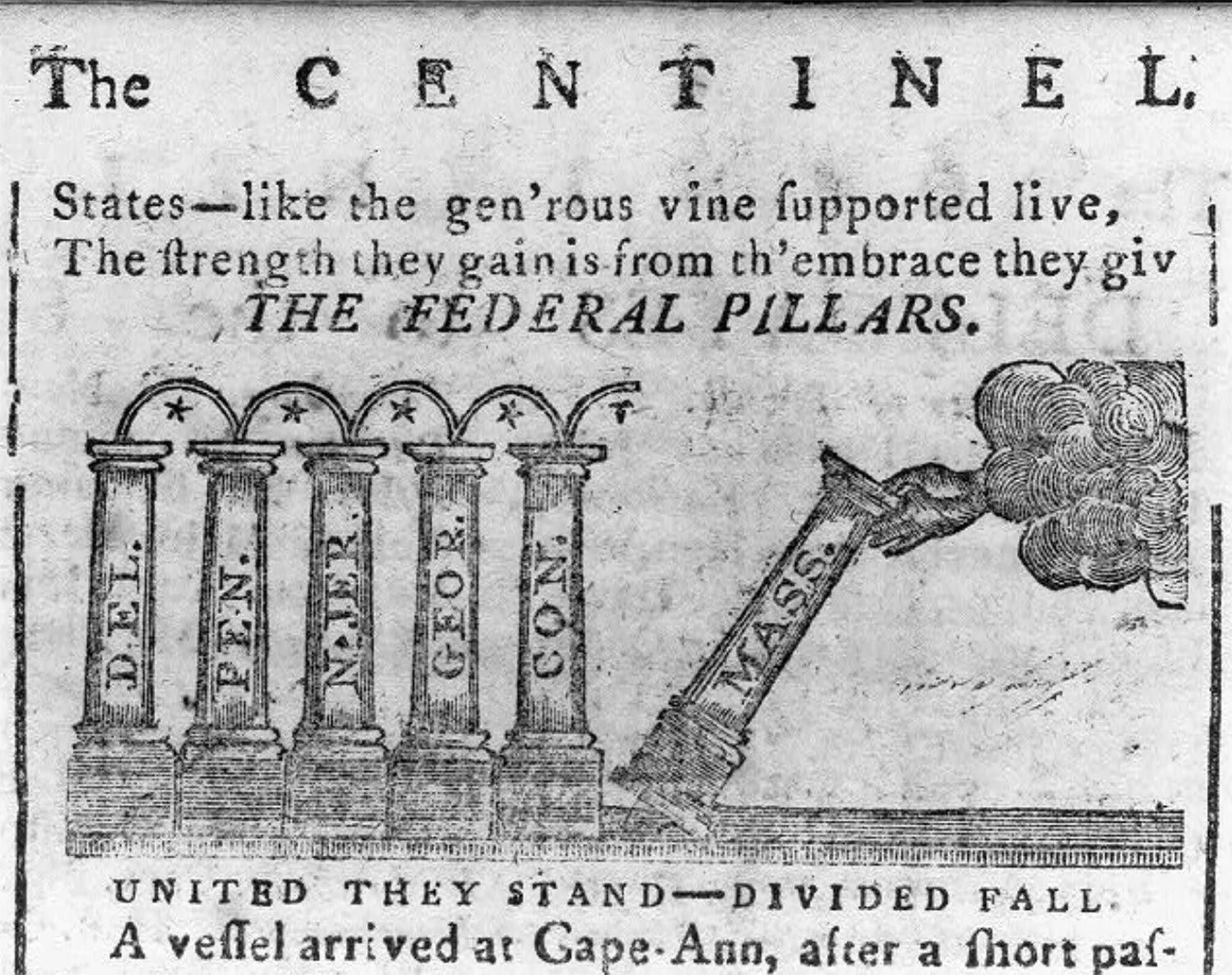
The Constitution was not imposed; it was argued into existence. In state conventions, delegates debated representation, rights, and sovereignty — weighing fear against necessity. Ratification emerged not from unanimity, but from persuasion, compromise, and narrow victories in state conventions.
Designing a Durable Republic
The Constitution's durability rested not on a single idea, but on a series of carefully balanced principles that shaped how the new republic would govern itself.

Federal Authority. The Constitution empowered the national government to tax, regulate commerce, raise armies, and enforce its laws — resolving the paralysis that had plagued the Confederation while preserving limits against centralized tyranny.
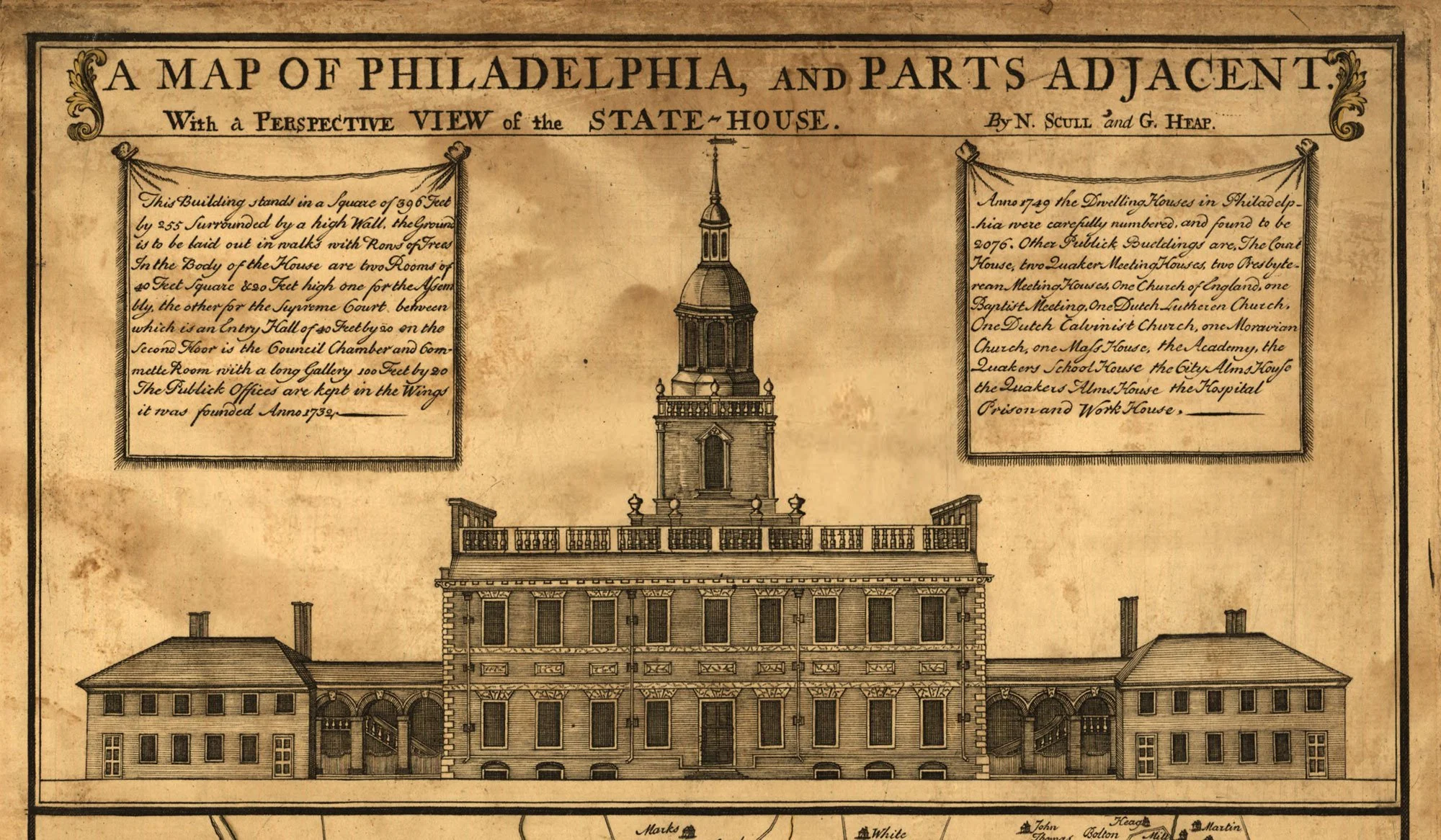
Checks and Balances. Legislative, executive, and judicial powers were deliberately divided — ensuring that no single branch could dominate, and that ambition itself would serve as a safeguard against abuse.
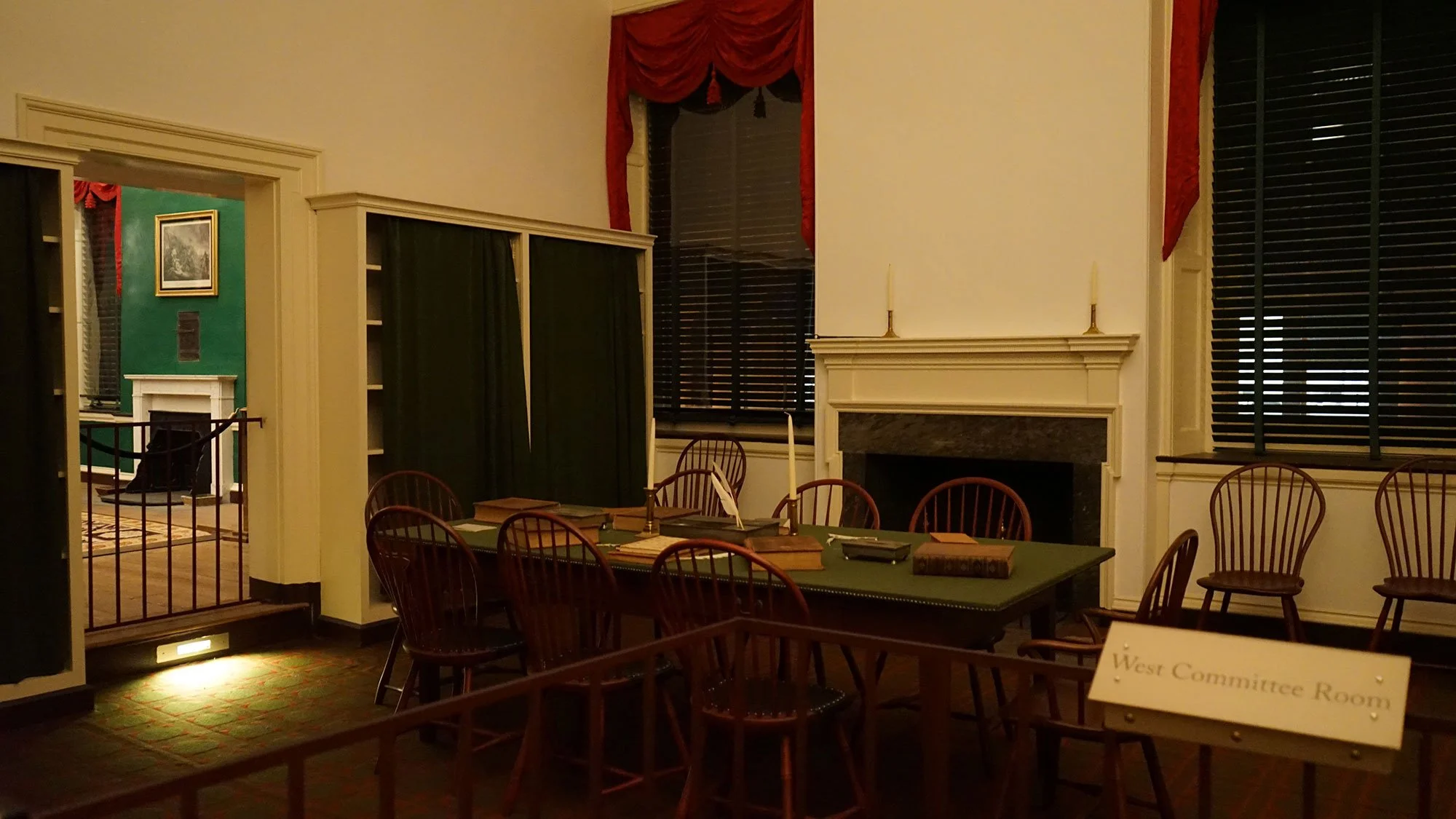
Compromise in Representation. By balancing population-based representation in the House with equal state representation in the Senate, the Constitution reconciled competing visions of democracy — allowing large and small states to coexist within a single republic.
Ratification was not the end of the Constitutional story—it was the beginning of the republic's first great political test.
The new government existed on paper, but its authority would depend on whether Americans accepted it in practice.
Persuasion had secured approval. Now the Constitution would have to prove that its careful balance of power could survive the realities of governing.

Persuasion. Ratification depended not on force, but on argument. Across printing shops and private studies, essays and broadsides made the case for a stronger union — translating abstract theory into a vision ordinary citizens could debate, contest, and ultimately decide.
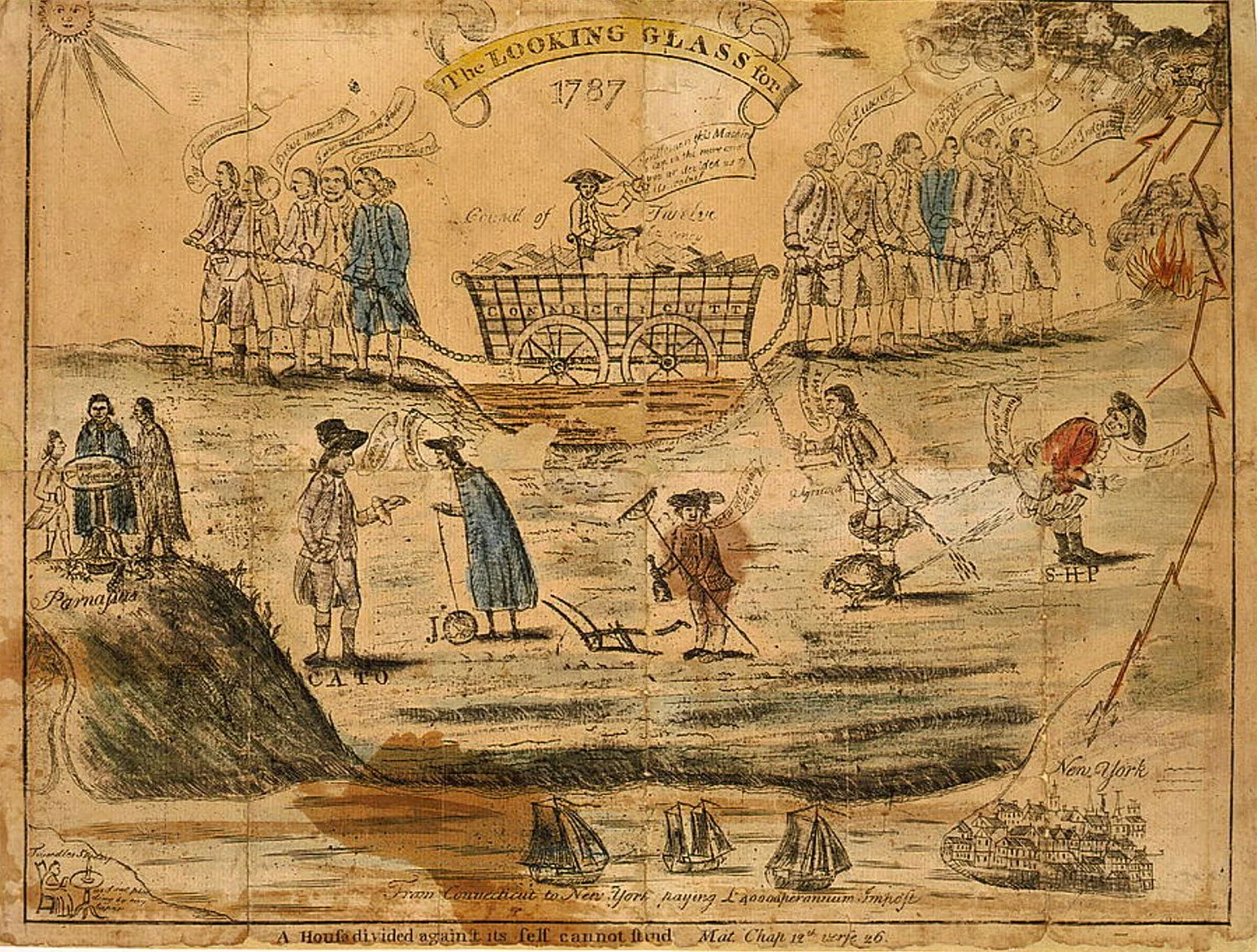
Resistance. A house divided against itself cannot stand. Amos Dolittle, 1754-1832, engraver. Political cartoon lampooning Anti-Federalists. Opposition to the Constitution was vocal and visual. Cartoons and broadsides warned that centralized authority threatened hard-won liberties — echoing fears that the cure for disorder might prove worse than the disease.
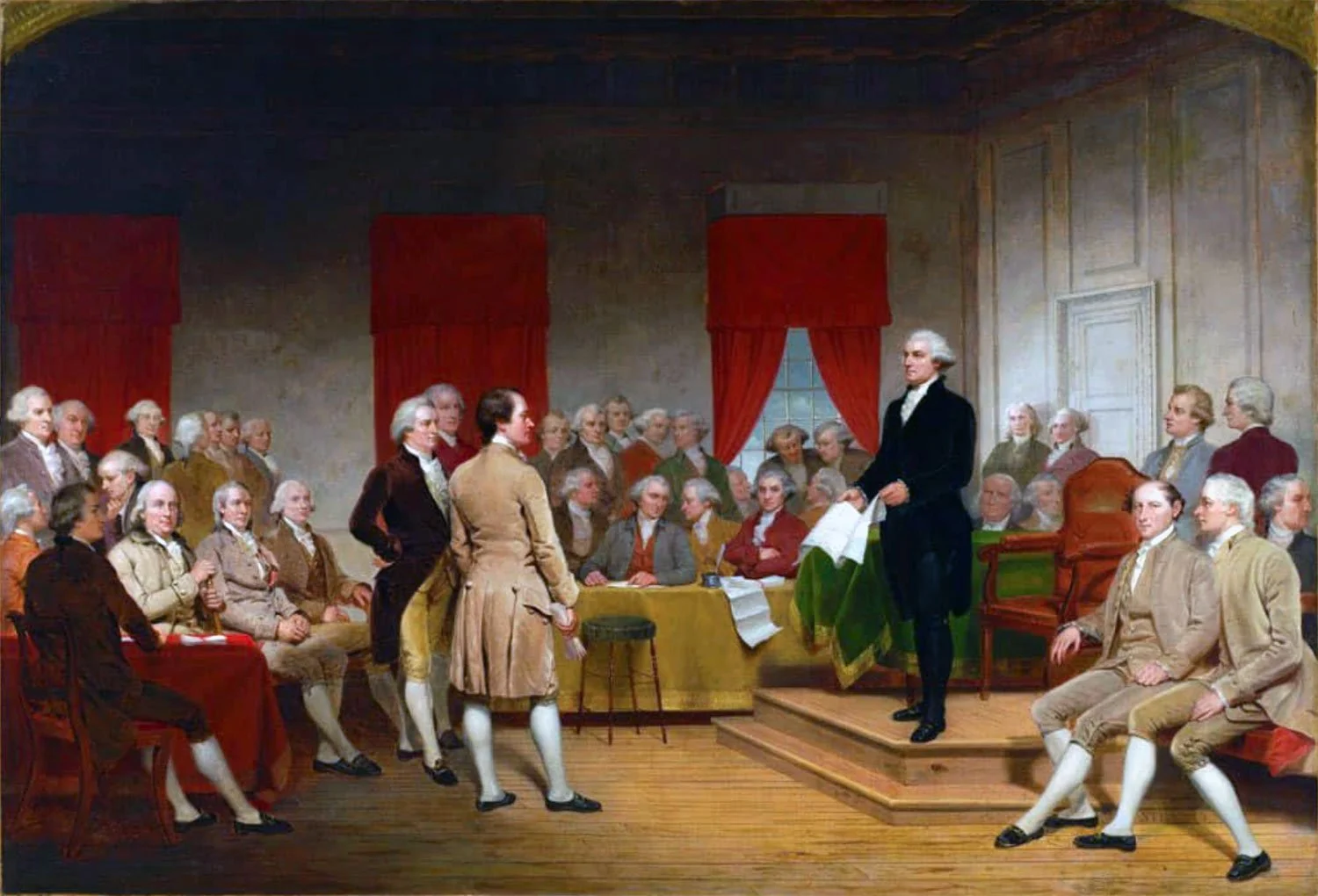
Compromise. Ratification succeeded through concession. Promises to add a Bill of Rights transformed skepticism into acceptance — ensuring that the Constitution would begin not as a final answer, but as a framework open to amendment.

Howard Chandler Christy, Scene at the Signing of the Constitution of the United States (1940).
The delegates did not sign in triumph, but in recognition — that unity required concession, and endurance required structure.
The Constitution did not emerge from agreement so much as from accommodation. It gathered competing interests into a single framework and asked them to coexist.
What the Constitution Solved
The Constitution transformed recurring political conflict from a threat to the republic into part of its normal operation.
By dividing authority among competing institutions, it reduced the likelihood that any one dispute—or any one leader—could overwhelm the nation.
For the first time, Americans possessed a government strong enough to govern, yet limited enough to remain accountable. That balance—not perfection—became the Constitution's enduring achievement.
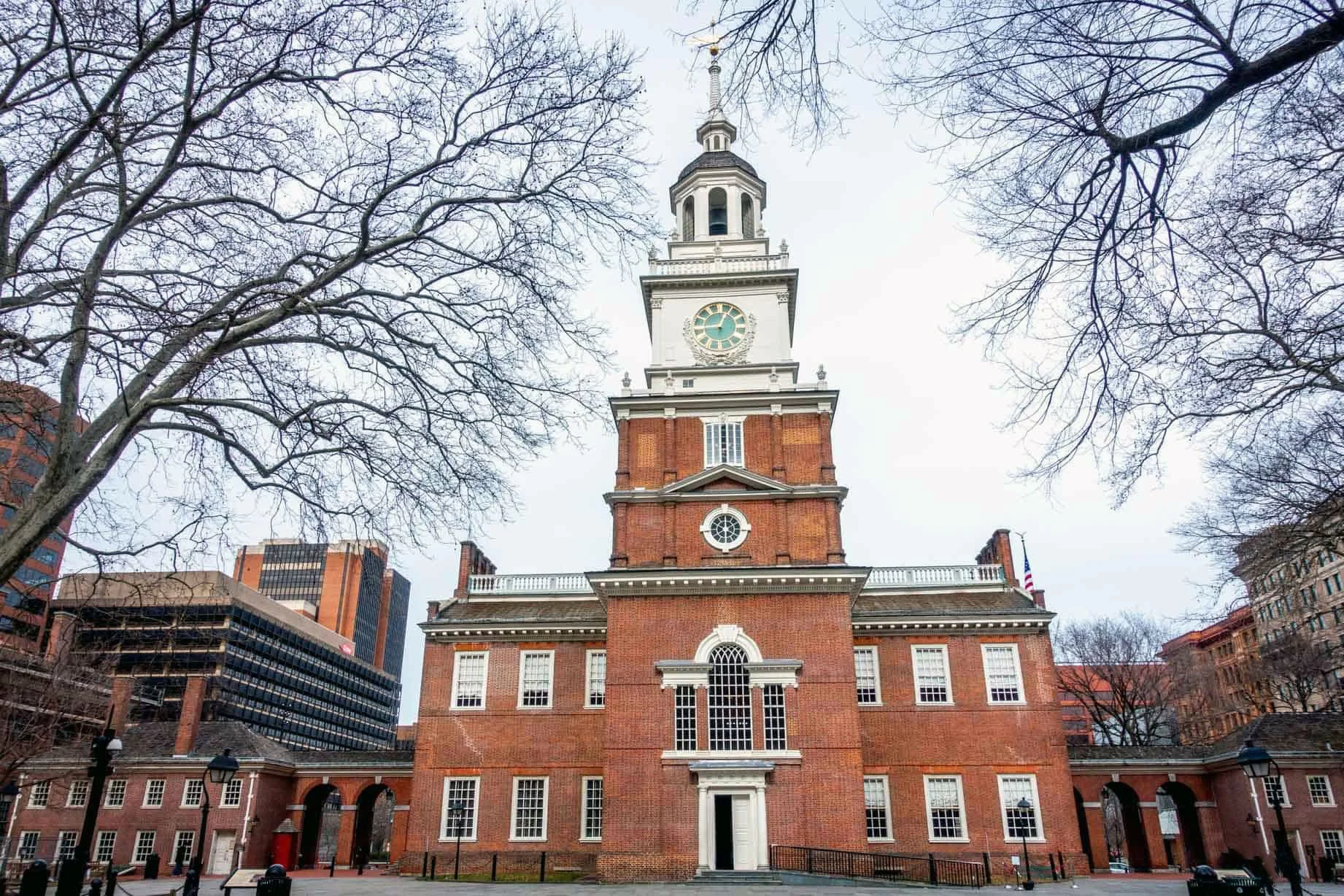
Enduring Framework
The Constitution was not designed to eliminate disagreement, but to give disagreement a structure within which the nation could govern itself.
More than two centuries later, Americans still debate within institutions created in Philadelphia in 1787.