

A NEW AMERICA
1969–Present
Change accelerated. The story continued.
The years following the Moon landing brought extraordinary technological change, cultural transformation, and new challenges at home and abroad.
The United States entered an era shaped by globalization, digital innovation, expanding opportunities, and continuing debates about the nation's future. Many of the institutions, technologies, and ideas that define contemporary life emerged during these decades.
The story of America continued—not as a single narrative, but as a collection of voices, experiences, and aspirations that continue to shape the republic today.
A Changing Nation
Following Apollo 11, technological innovation, cultural change, and global connections reshaped everyday life and opened a new chapter in the American story.
The decades after the Moon landing brought remarkable innovation and optimism. They also challenged long-held assumptions about government, leadership, and public trust.
Events at home reminded Americans that even established institutions could be tested.
The nation's response would reinforce enduring constitutional principles while shaping public expectations for generations to come.
Trust and Accountability
(1972–1974)
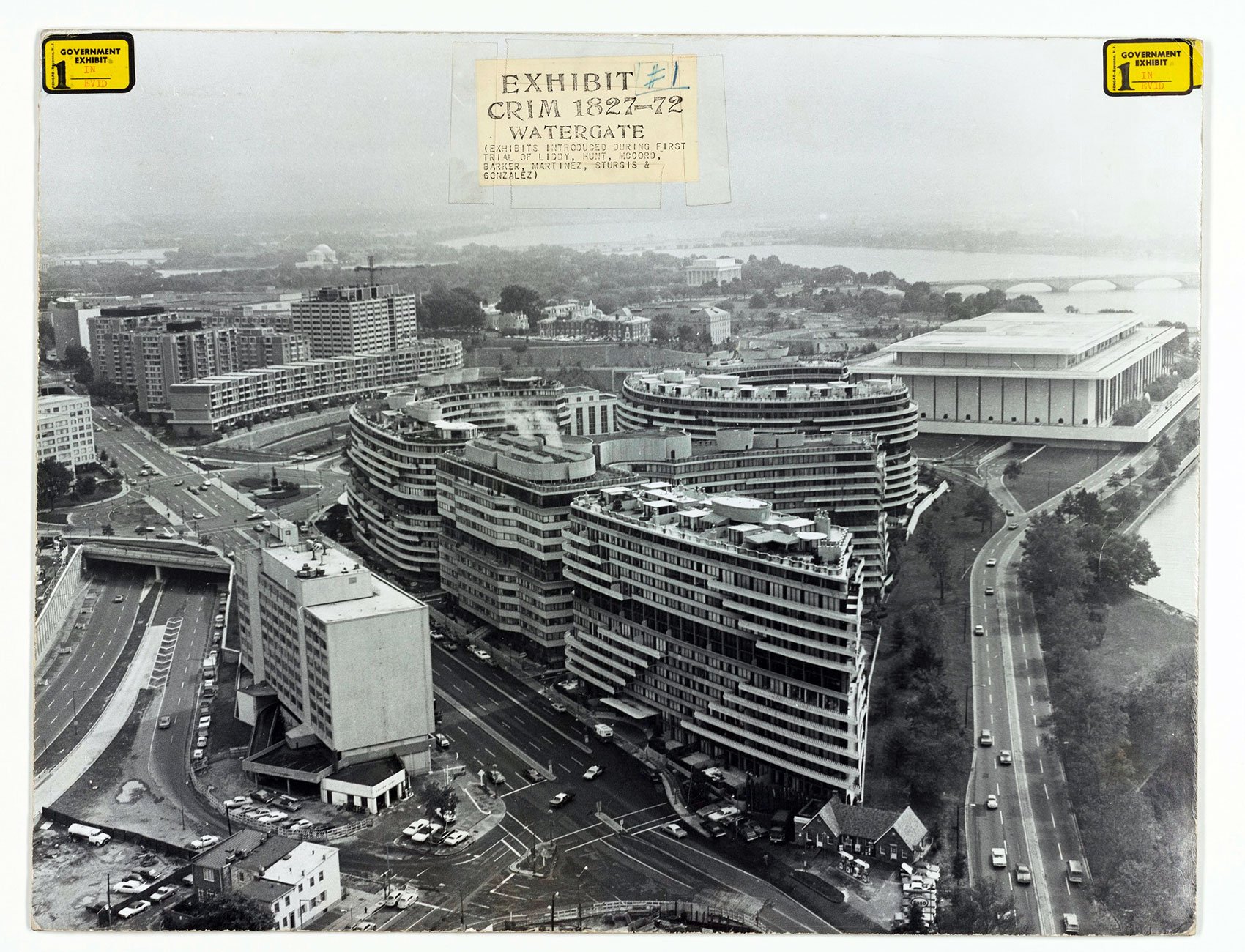
Watergate. The 1972 break-in at the Watergate complex led to investigations that uncovered abuses of political power and became one of the most significant constitutional crises in American history.
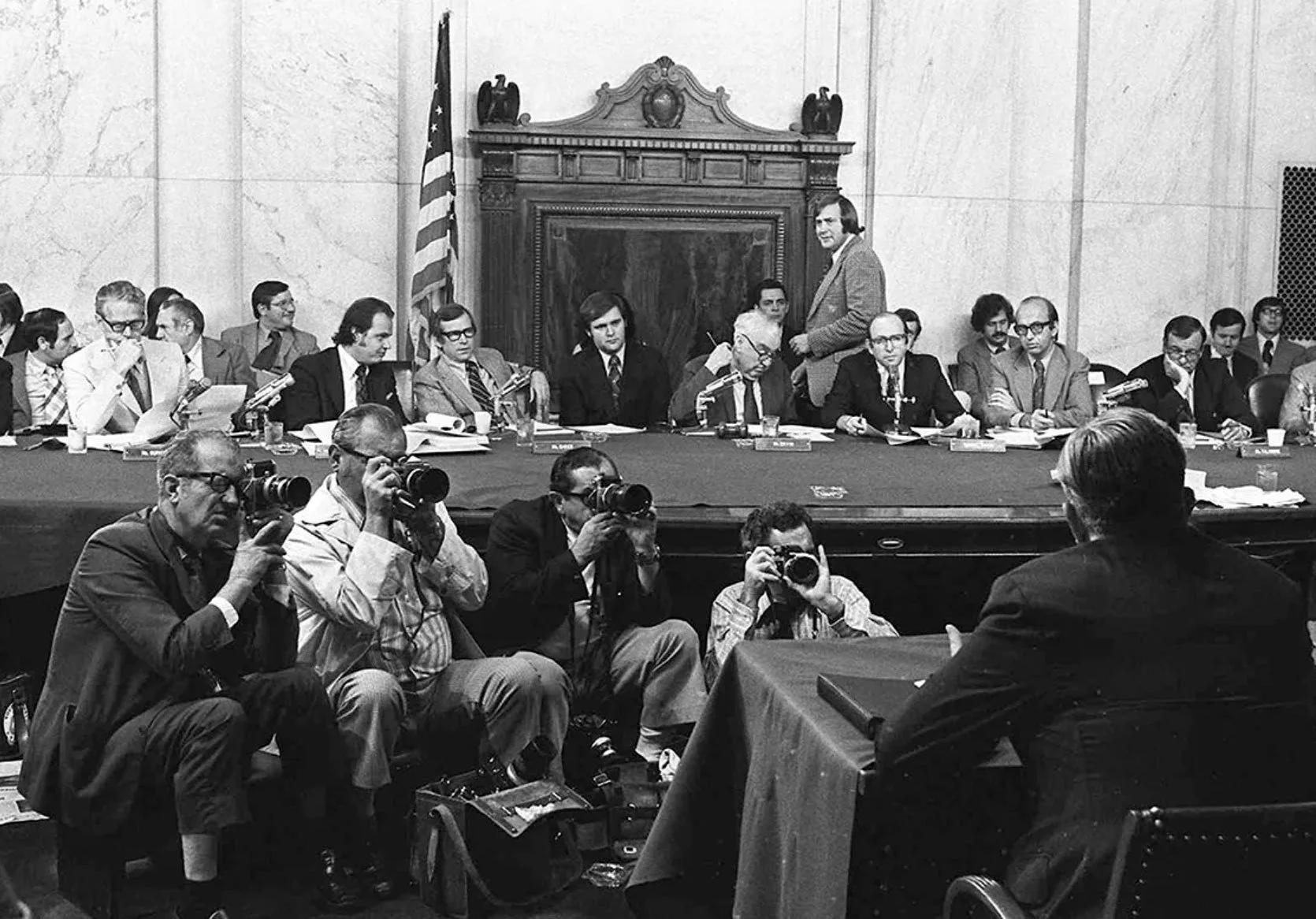
Public Accountability. Congressional investigations and extensive news coverage brought the Watergate hearings into millions of American homes, demonstrating the role of oversight, a free press, and the rule of law.
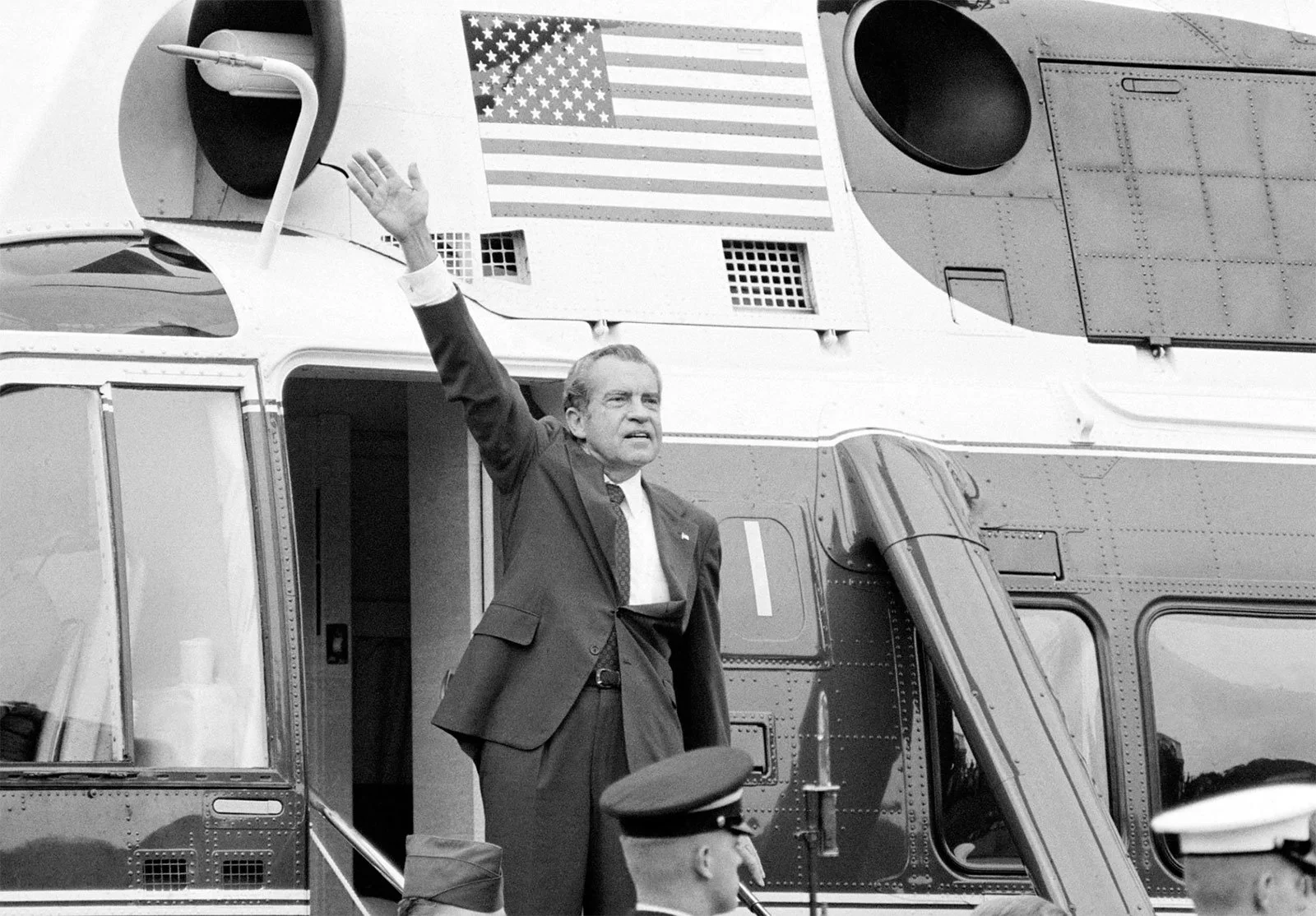
Constitutional Continuity. Following President Richard Nixon's resignation in 1974, Vice President Gerald Ford assumed the presidency through the constitutional process, demonstrating the peaceful transfer of executive authority during a national crisis.
The Watergate era reshaped how many Americans viewed government and public leadership.
It also demonstrated the resilience of the nation's constitutional system. Investigative journalism, congressional oversight, an independent judiciary, and the peaceful transfer of power reinforced the principle that no individual stands above the law.
The same period also witnessed growing public concern for the nation's air, water, and natural resources.
Scientific research, citizen activism, and bipartisan legislative efforts led to new environmental protections that reflected changing expectations about the relationship between economic growth and stewardship of the natural world.
Stewardship and Public Responsibility
1970–Present
As Americans debated questions of government and public trust, many also looked more closely at the nation's relationship with its natural environment.
Growing public awareness, scientific research, and citizen activism encouraged new approaches to conservation, environmental protection, and public health.
Across decades, these efforts reflected a broader understanding that economic growth and stewardship could advance together.
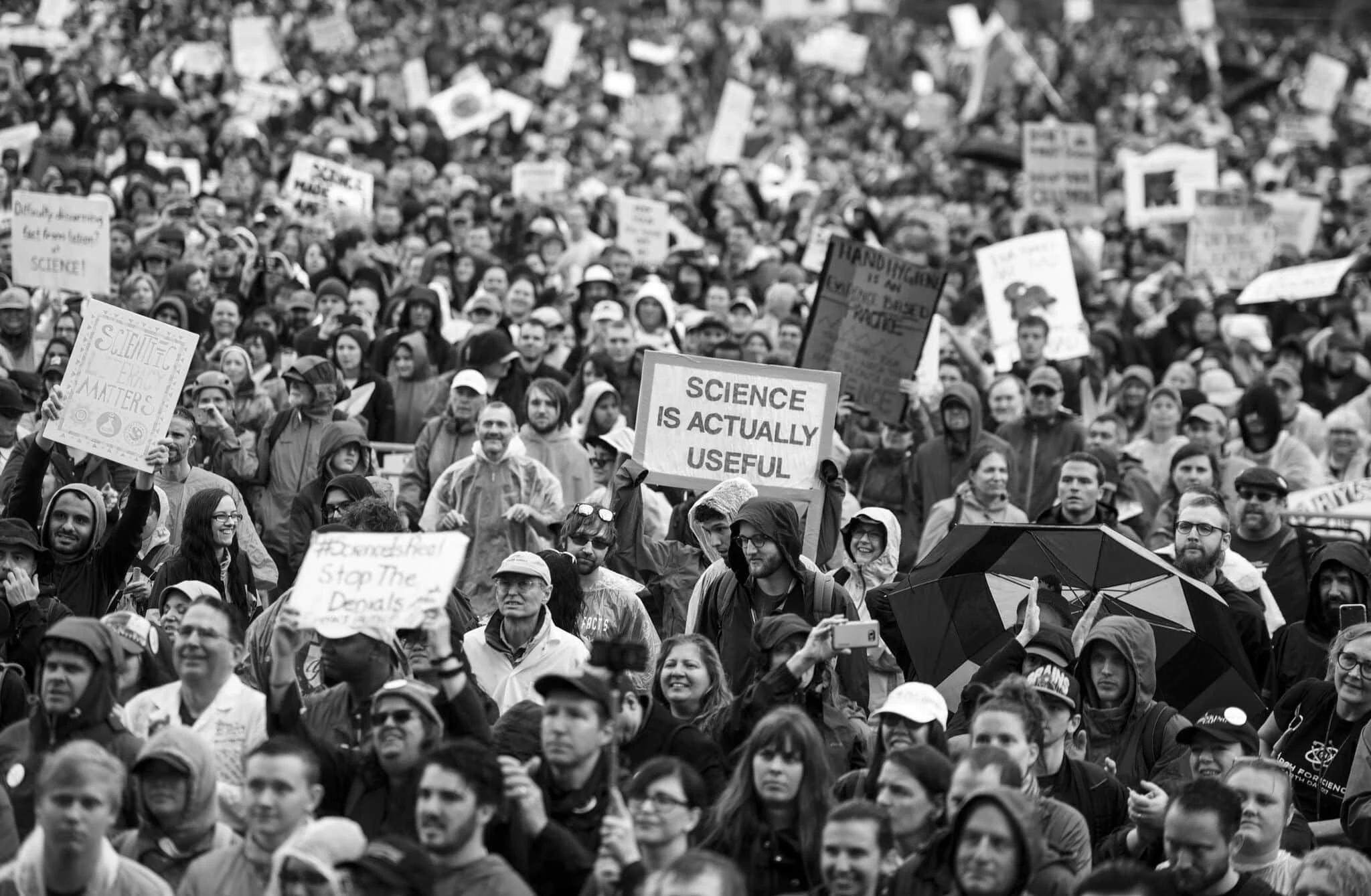
Earth Day. The first Earth Day in 1970 brought millions of Americans together in support of cleaner air, cleaner water, and the responsible stewardship of natural resources.

Environmental Protection. The Environmental Protection Agency (EPA), established in 1970, became the nation's principal agency for protecting air and water quality, reducing pollution, and supporting scientific research to safeguard public health and natural resources.

Conservation. National parks, wildlife refuges, and protected public lands continued a long American tradition of conserving places of natural beauty while balancing recreation, scientific research, and responsible stewardship for future generations.
Stewardship of the nation's natural resources became one of many ways Americans sought to improve the quality of life during the decades after the Moon landing.
Beyond America's borders, another historic transformation was underway.
By the 1980s, renewed competition with the Soviet Union and growing calls for political freedom across Eastern Europe were reshaping the international landscape and setting the stage for one of the twentieth century's most significant geopolitical transformations.
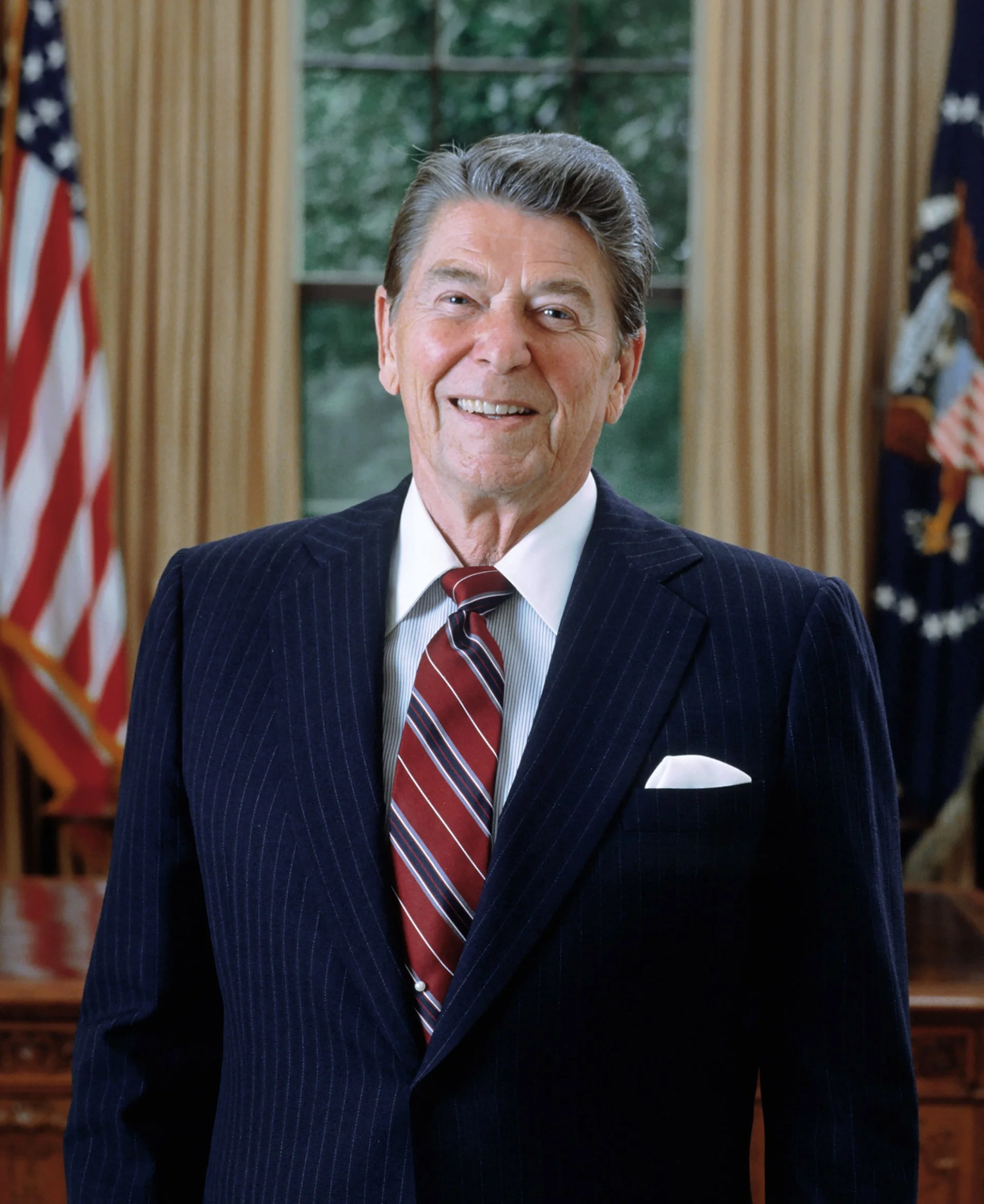
Ronald Reagan entered the presidency in 1981 during a period of economic challenges and continuing Cold War tensions. His administration pursued economic reforms while advocating a strong American role in international affairs.
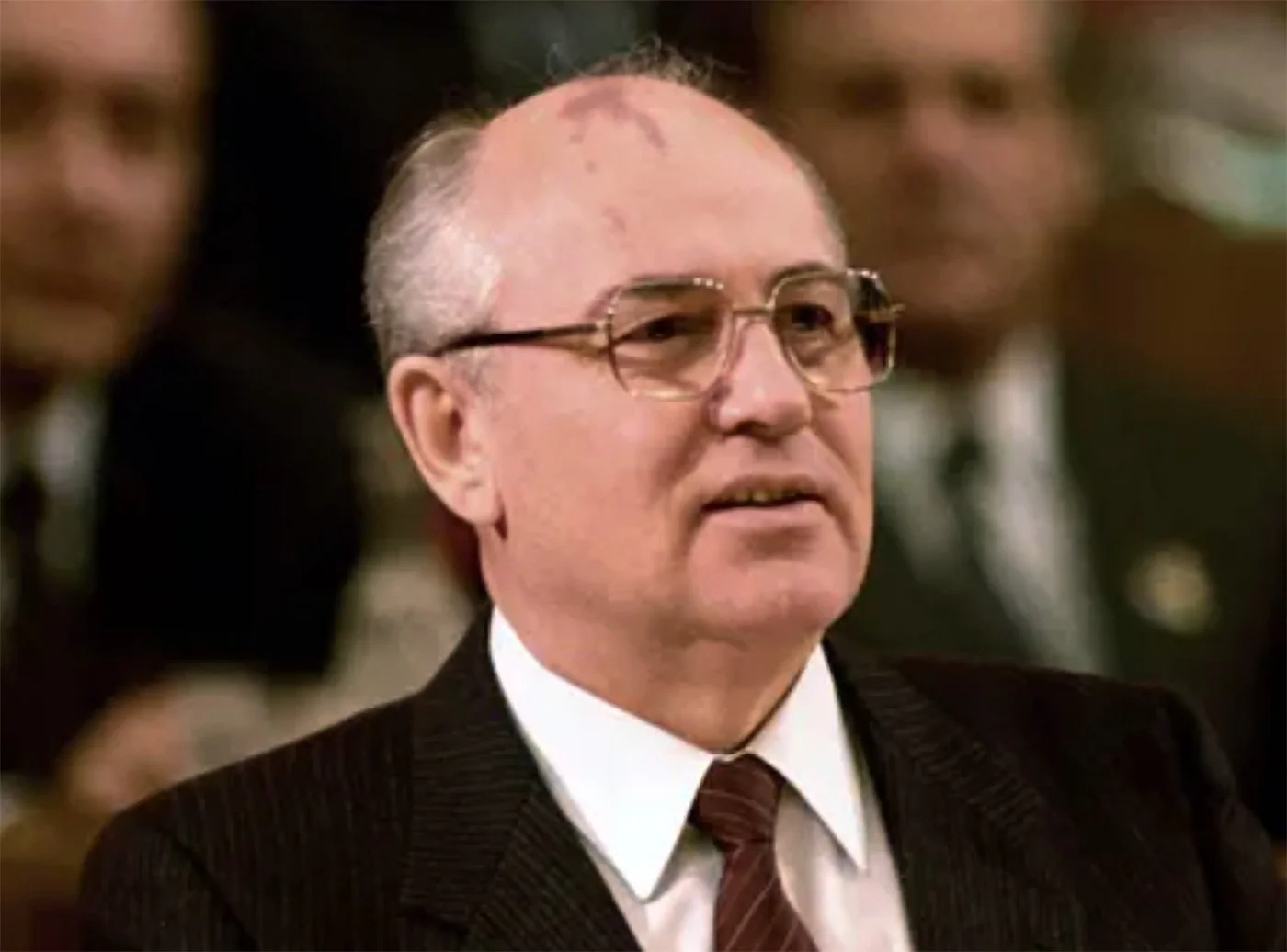
As leader of the Soviet Union, Mikhail Gorbachev introduced reforms that sought to modernize the Soviet system. His policies contributed to political changes that reshaped Eastern Europe and altered the course of the Cold War.

Throughout the 1980s, calls for political freedom and reform spread across Eastern Europe. These movements challenged long-standing political structures and helped reshape the international order.
The End of the Cold War.
As democratic movements spread across Eastern Europe and the Soviet Union dissolved in 1991, one of history's defining geopolitical rivalries came to a peaceful conclusion, reshaping the international order and opening a new chapter in world affairs.
The end of the Cold War marked the beginning of a new era. As international tensions eased, Americans increasingly turned their attention to domestic priorities, economic growth, and the challenges of governing in a rapidly changing society.
Elections continued to reshape the political landscape, while periods of divided government often required negotiation and compromise, reminding Americans that representative democracy depends not only on vigorous debate, but also on the ability to find common ground.
Governing Through Difference
(1994–1998)
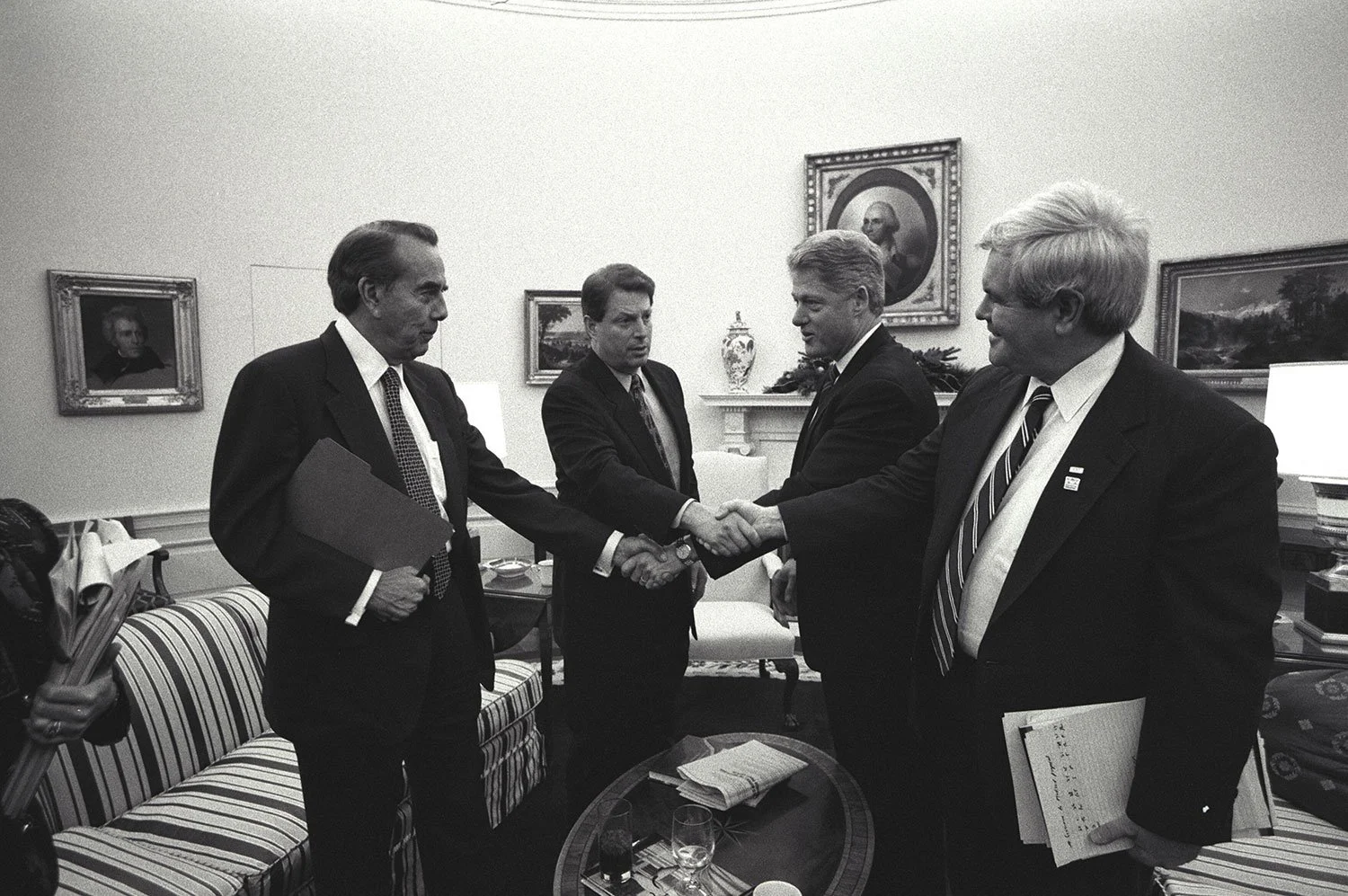
The Republican Revolution. The 1994 congressional elections shifted control of the House of Representatives for the first time in four decades, reflecting changing political priorities and a renewed national debate over the role of government.
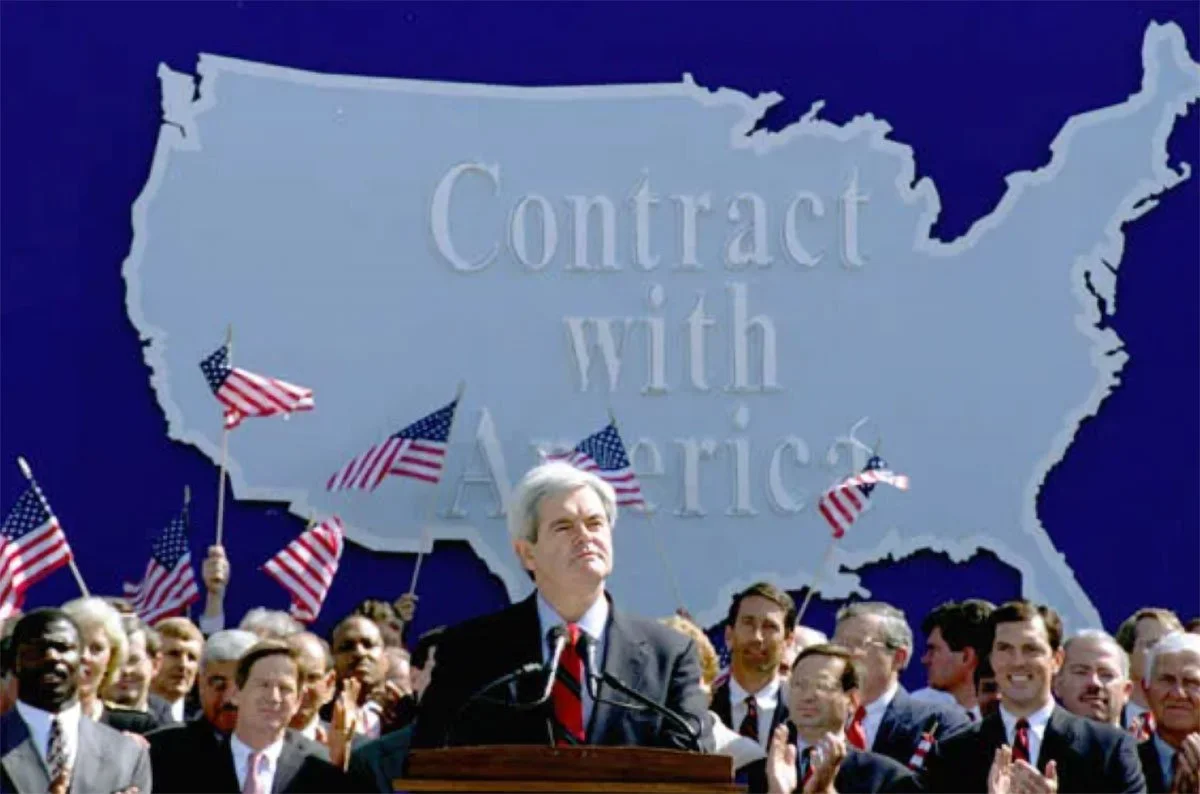
The Contract with America. Led by Speaker Newt Gingrich, House Republicans advanced a legislative agenda that emphasized fiscal restraint, government reform, and congressional accountability, helping shape the national political conversation during the 1990s.
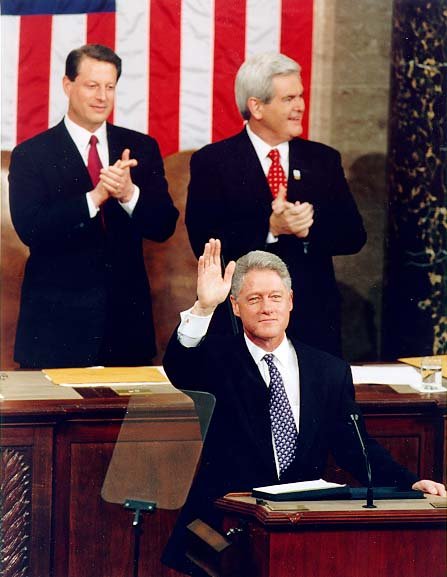
Working Across Differences. Despite notable political disagreements, President Bill Clinton and congressional leaders worked together on significant legislation, including balanced federal budgets and welfare reform, demonstrating that bipartisan cooperation remained an important part of American self-government.
The Information Age
(1975–Today)
The decades following the Moon landing saw another revolution unfold—not in space, but in homes, schools, laboratories, and workplaces.
Personal computers, digital communications, and the Internet transformed how people worked, learned, created, and shared information.
Technologies once limited to research institutions became part of everyday life, laying the foundation for the connected world of the twenty-first century.
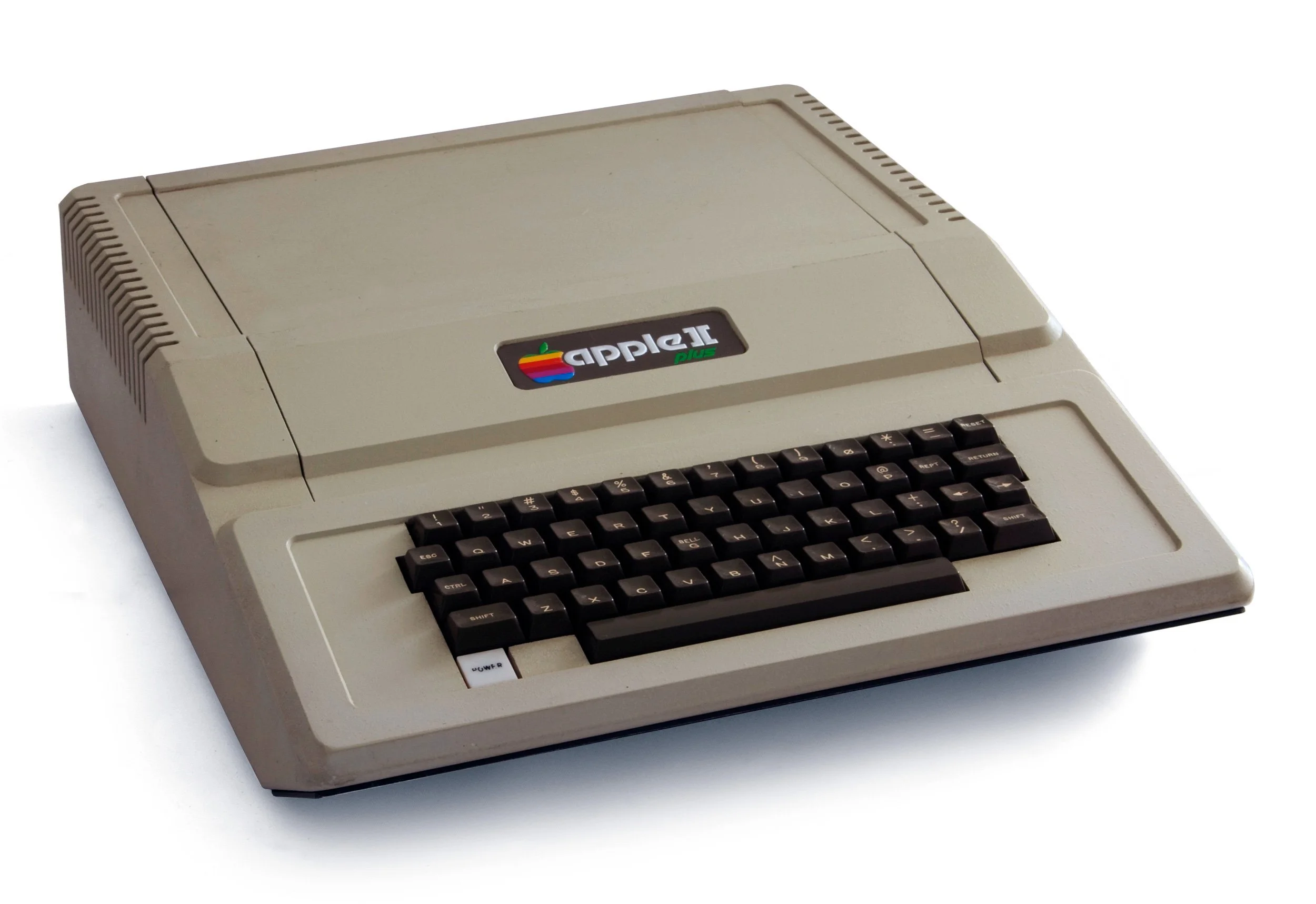
The introduction of affordable personal computers brought computing power into homes, classrooms, and businesses, beginning a transformation that reshaped work, education, and daily life.
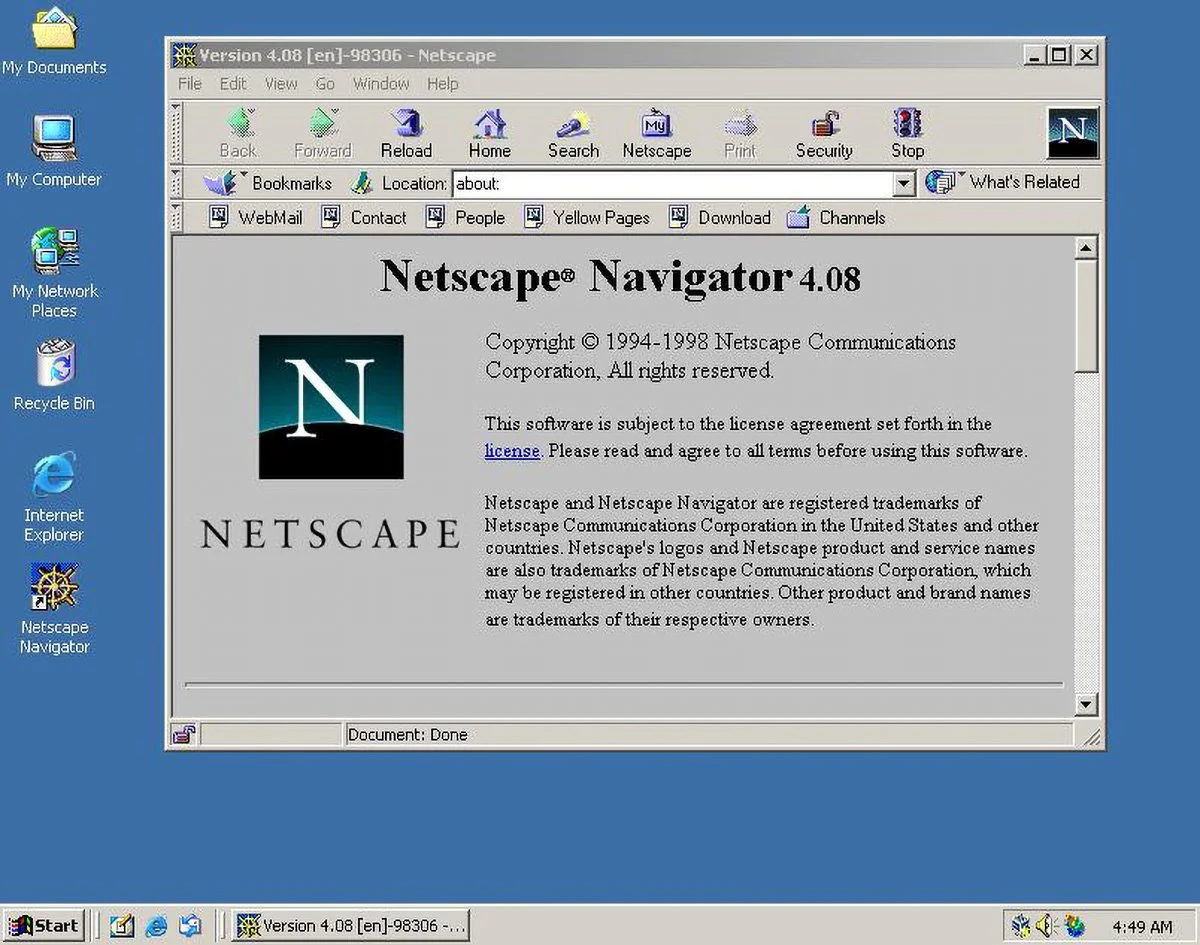
The World Wide Web made the Internet accessible to millions, dramatically expanding communication, education, commerce, and the exchange of ideas around the globe.

Smartphones combined computing, communication, navigation, photography, and Internet access in a single device, fundamentally changing how people interacted with information and with one another.
The digital revolution reshaped far more than computers. Advances in software, telecommunications, and networking transformed business, medicine, scientific research, entertainment, and everyday life.
By the end of the twentieth century, information could move across continents in seconds, connecting people and institutions in ways previous generations could scarcely imagine.
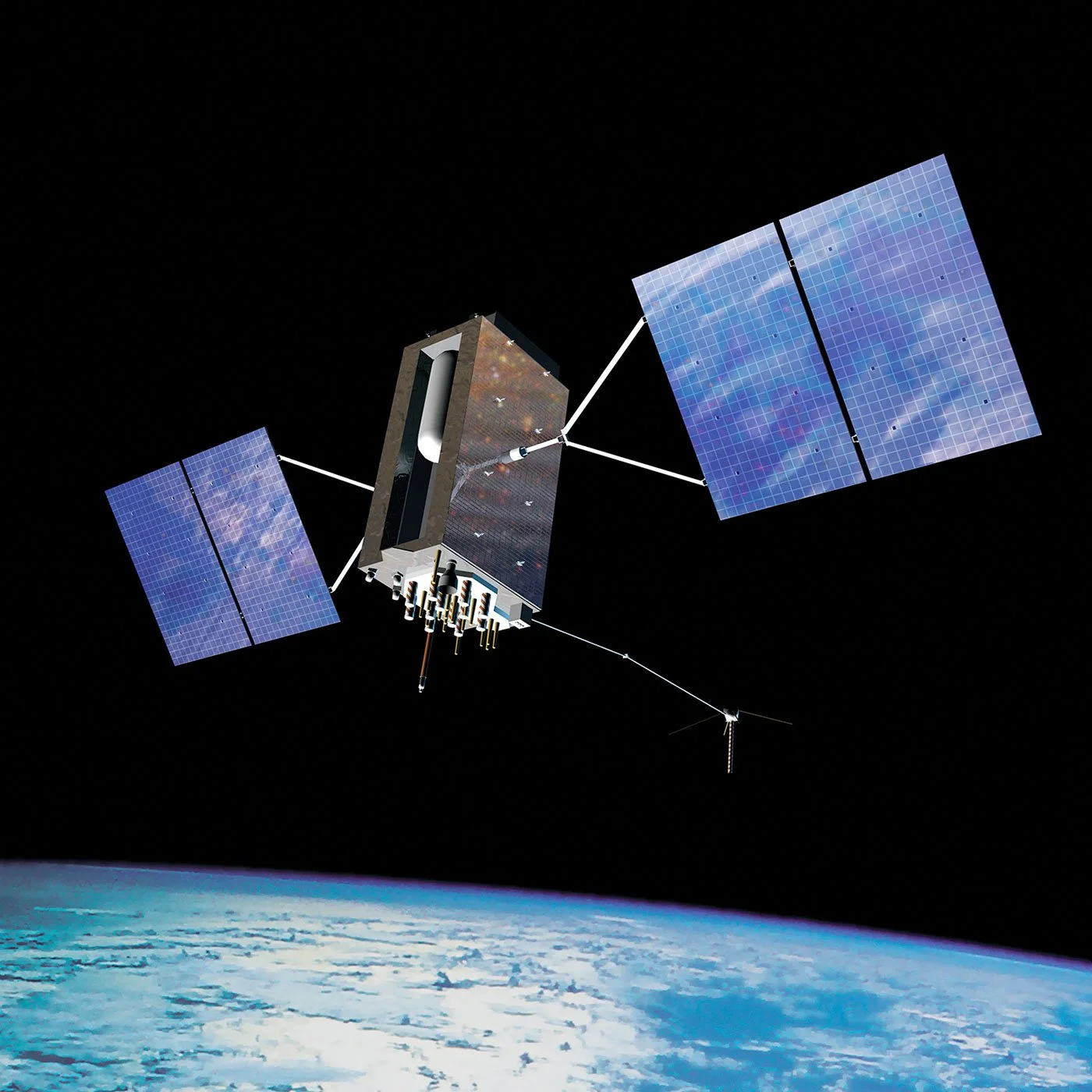
Originally developed for military purposes, the Global Positioning System became an indispensable tool for navigation, transportation, agriculture, emergency response, and scientific research around the world.
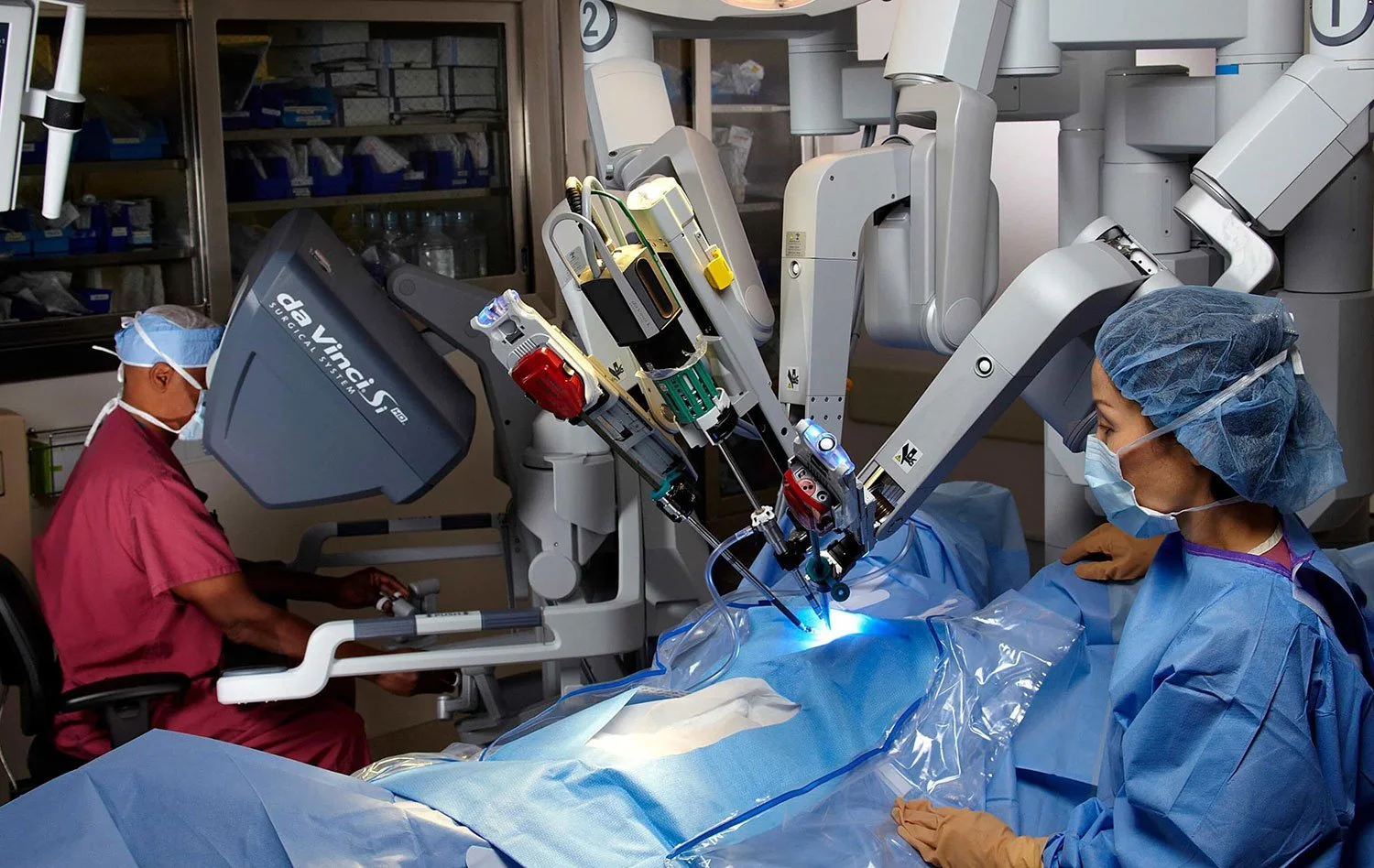
Advances in genetics, medical imaging, and biotechnology transformed diagnosis, treatment, and scientific understanding, opening new possibilities for improving human health.

Artificial Intelligence. Advances in artificial intelligence are expanding the ability of computers to recognize patterns, generate ideas, solve complex problems, and assist people in science, medicine, education, business, and everyday life, opening new possibilities while raising important questions about how these technologies will shape the future.
Innovation did not arrive all at once. Each new breakthrough built upon those before it, transforming the ways Americans communicated, traveled, learned, worked, and solved problems.
Together, these advances reshaped everyday life and opened new possibilities for the future.
The Information Age
From personal computers and the Internet to biotechnology and artificial intelligence, innovation reshaped American life and continues to influence the nation's future.
Economic growth, technological innovation, and expanding global connections suggested new possibilities for the decades ahead.
That sense of confidence was profoundly shaken on September 11, 2001, when terrorist attacks against the United States altered the course of the new century.
A Nation Attacked
(September 11, 2001)
On the morning of September 11, 2001, terrorists hijacked four commercial airliners and carried out coordinated attacks against the United States.
The attacks claimed thousands of lives, devastated families and communities, and became one of the defining events of the twenty-first century.
In the days that followed, Americans mourned, honored extraordinary acts of courage and sacrifice, and came together in a remarkable display of national unity.
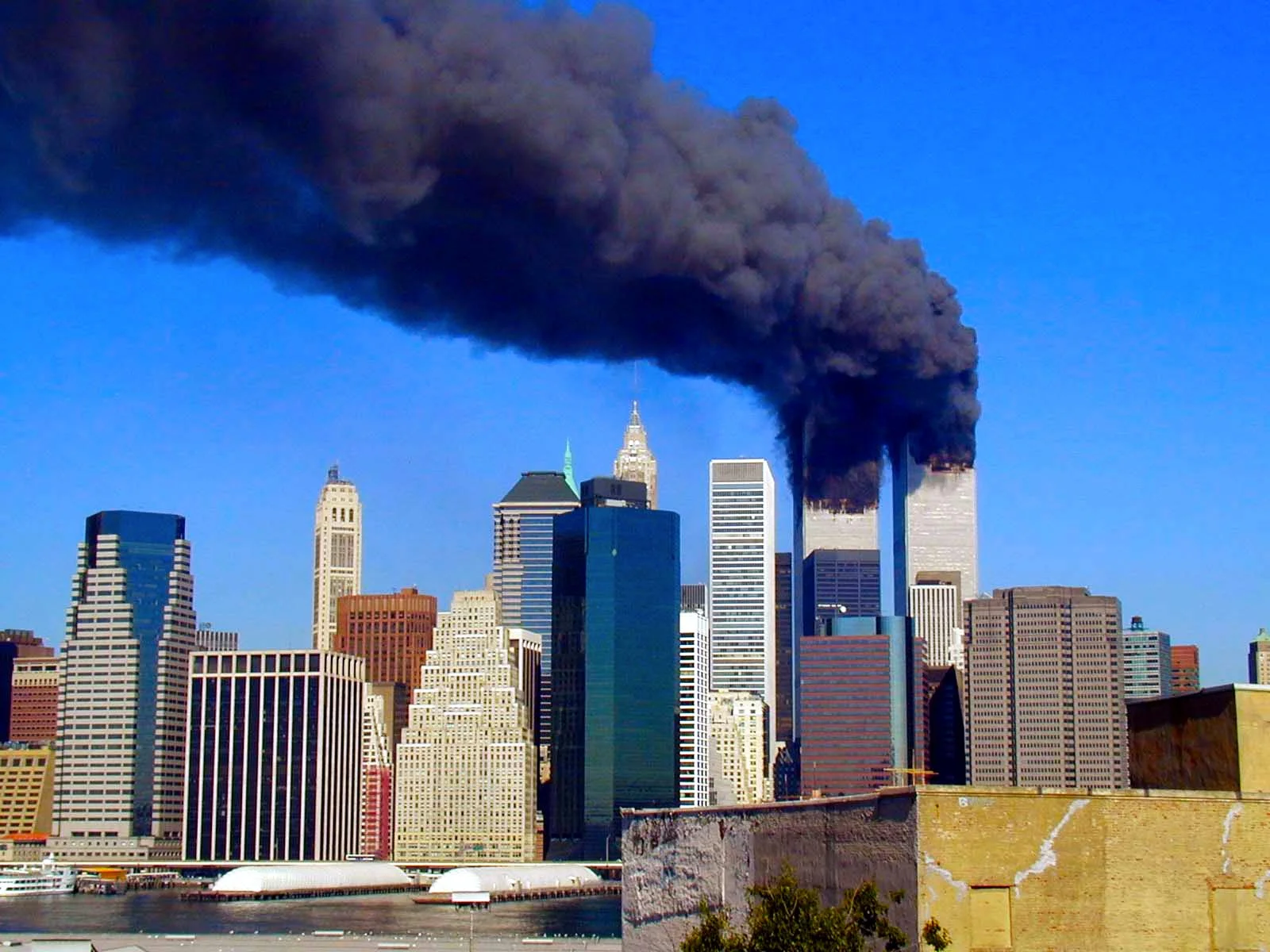
September 11, 2001. Terrorist attacks against the United States claimed thousands of lives and became one of the defining events of the twenty-first century.

First responders, emergency personnel, and ordinary citizens displayed extraordinary courage as they rushed to help others during and after the attacks.
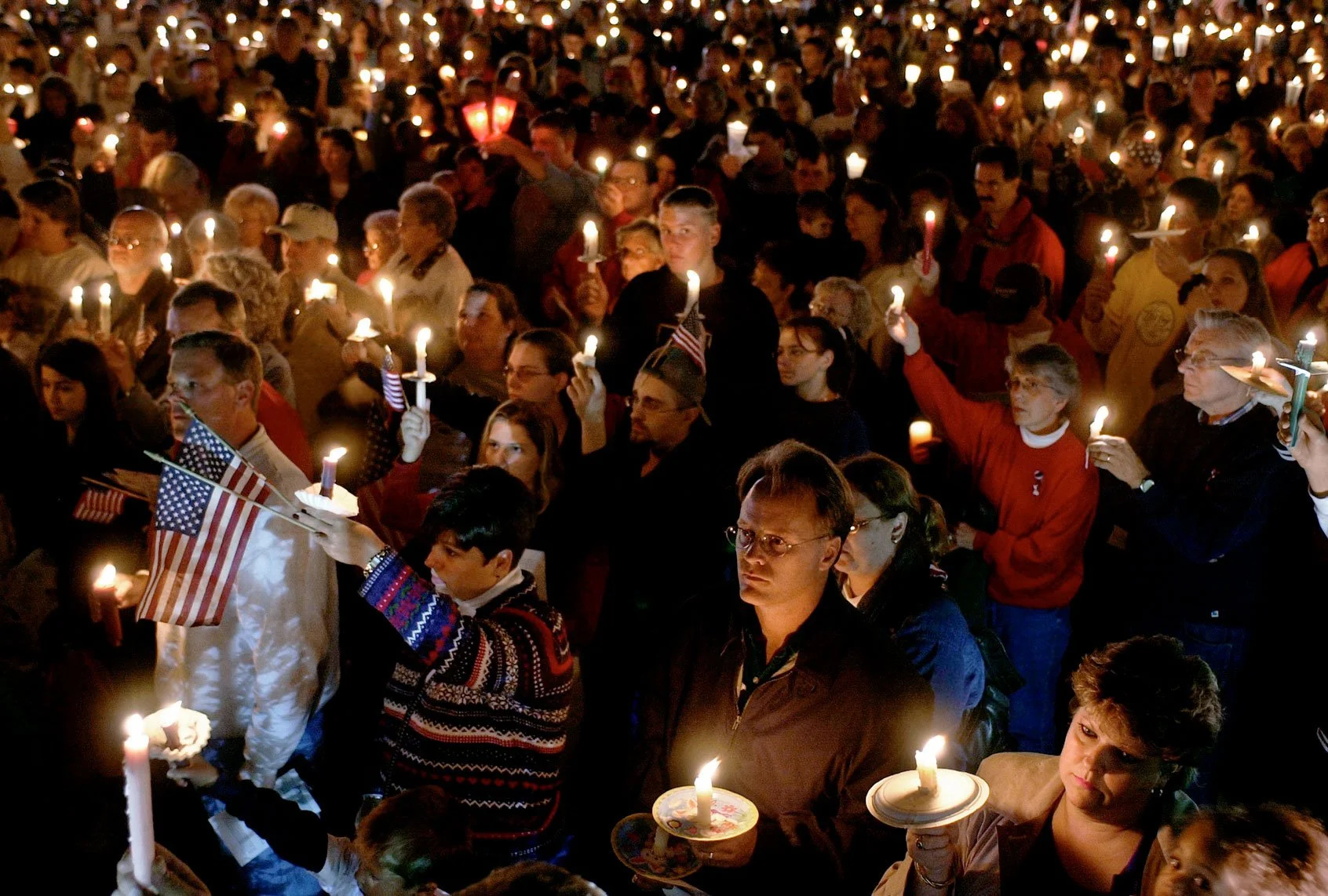
In the days that followed, Americans gathered in communities across the country to mourn, support one another, and honor those who had been lost.
The attacks of September 11 left a lasting mark on the nation.
Americans experienced shock, grief, and uncertainty as the events unfolded.
Yet amid the tragedy emerged countless acts of courage, sacrifice, and service that reflected the resilience of communities across the country.
A Nation Attacked
The terrorist attacks of September 11, 2001, shocked the nation and altered the course of the twenty-first century. In the midst of tragedy, Americans responded with courage, sacrifice, and a renewed sense of national unity.
Service, Security, and Sacrifice
(2001–2021)
The attacks of September 11 reshaped national priorities and influenced American life for years to come.
Military service members, first responders, intelligence professionals, and millions of other Americans responded to new challenges at home and abroad.
The decades that followed were marked by efforts to strengthen security, confront terrorism, and navigate a rapidly changing world.
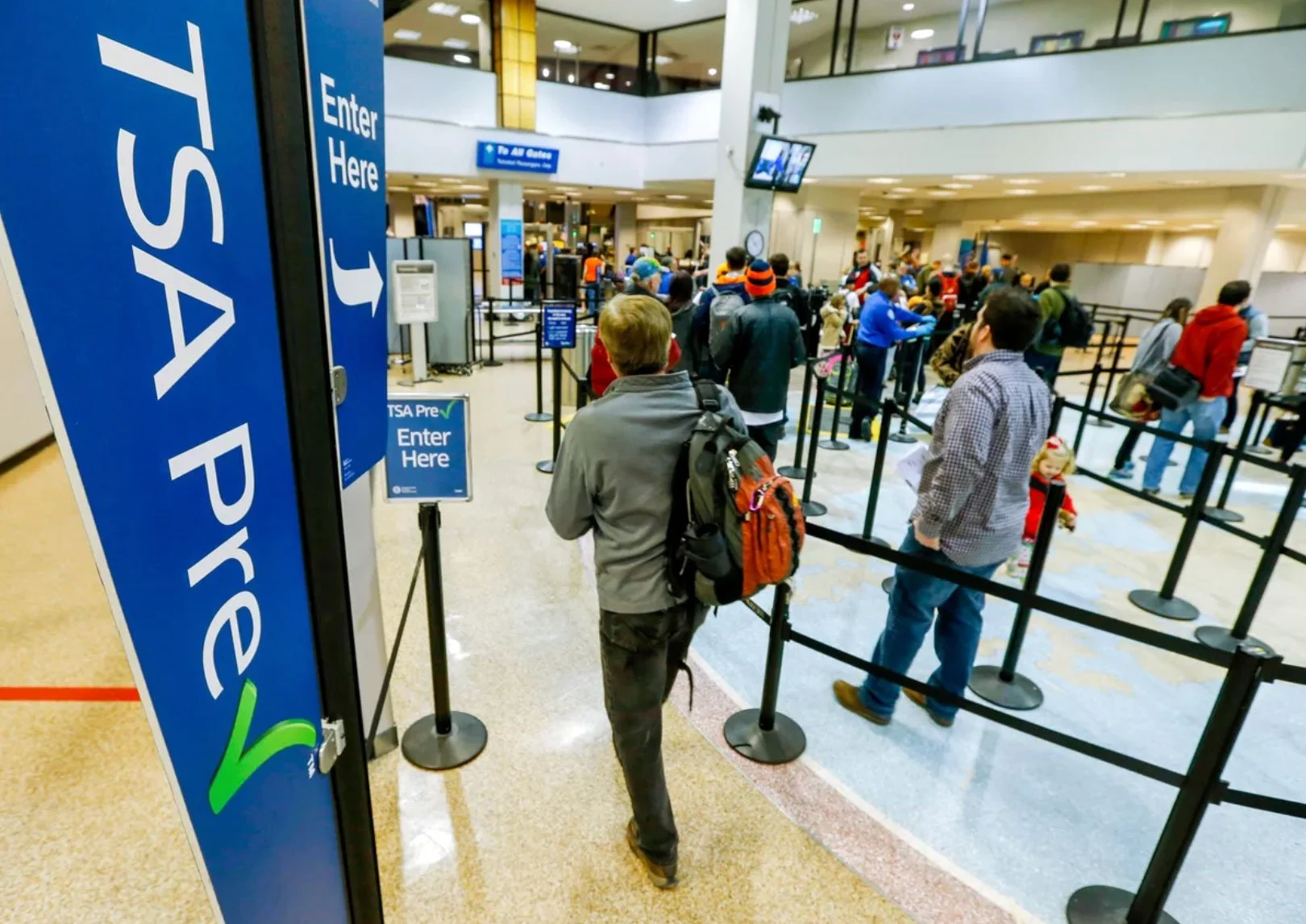
The attacks prompted major changes in national security, transportation, intelligence gathering, and emergency preparedness throughout the United States.
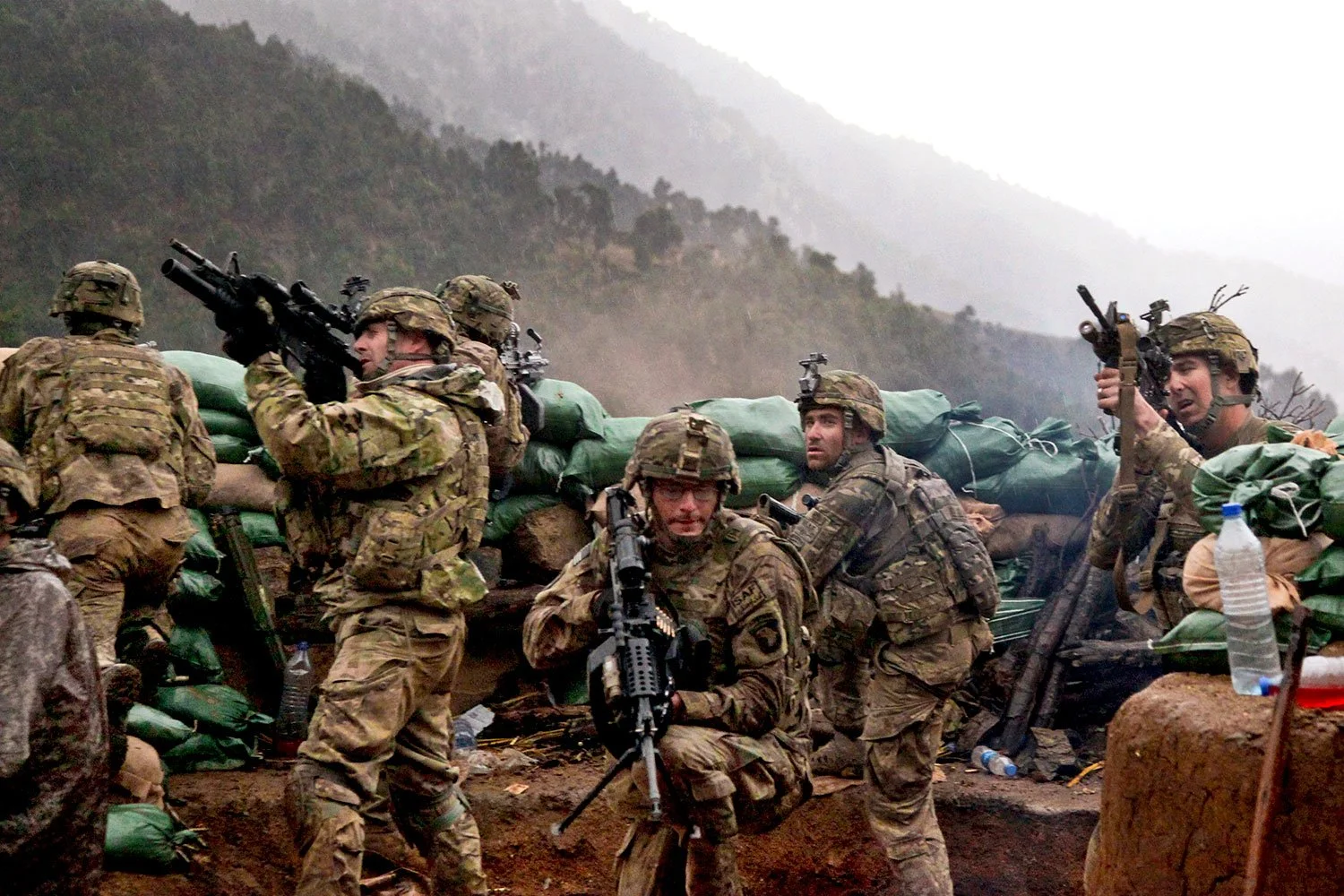
Hundreds of thousands of Americans served in Afghanistan, Iraq, and other regions as part of military operations that followed September 11.
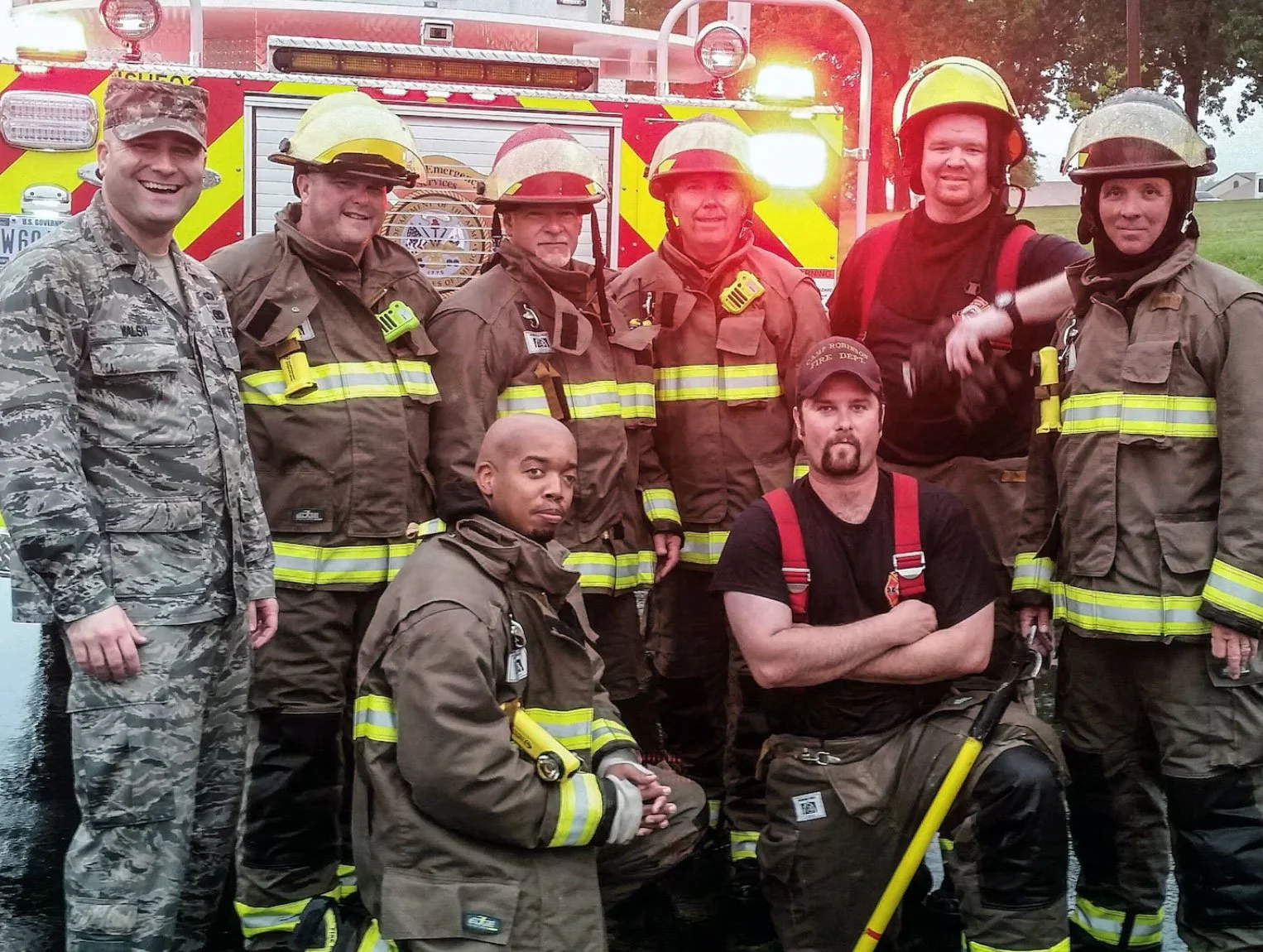
Firefighters, police officers, medical personnel, and emergency workers continued to play a vital role in protecting communities and responding to crises across the nation.
The response to September 11 extended far beyond the events of a single day.
Military service members, first responders, public servants, and citizens across the country adapted to new responsibilities and challenges.
Their efforts reflected a broader story of resilience, service, and perseverance that would shape the nation during the opening decades of the twenty-first century.
A Nation Responds
In the years after September 11, Americans met new challenges through service, sacrifice, and resilience while adapting to a changing world and continuing the work of their communities and nation.
The Next Generation
(2001–Present)
The opening decades of the twenty-first century brought extraordinary innovation alongside new challenges. Americans adapted to rapid technological change while responding to economic uncertainty, natural disasters, public health emergencies, and continuing debates about the nation's future.
As in every generation before, the country's strength rested not only on institutions and leaders, but on millions of citizens who continued to work, create, serve, volunteer, and build stronger communities.

Advances in computing, mobile technology, and artificial intelligence continue to reshape how Americans communicate, work, learn, and solve problems.

Rapid technological change, economic uncertainty, natural disasters, and public health emergencies tested communities while revealing their resilience.

Each generation inherits the American experiment, contributing new ideas, talents, and perspectives while shaping the nation's future.
Each generation inherits a nation shaped by those who came before. While the challenges of the present differ from those of earlier Americans, the enduring questions remain familiar: how to preserve liberty, expand opportunity, strengthen communities, and build a better future.
The American Experiment
America's story is not only one of founding documents, presidents, and historic events—it is also the story of millions of people whose curiosity, creativity, and determination continue to shape what comes next.
For two and a half centuries, the American story has been one of continual change—shaped by moments of triumph and tragedy, by remarkable individuals and ordinary citizens, and by generations willing to imagine a better future.
The American experiment continues. Its next chapter has yet to be written.