

The American Imagination
Ideas, images, sounds, and stories that shaped how Americans saw themselves—and the world.
Thomas Cole — The Oxbow, 1836
View from Mount Holyoke, Northampton, Massachusetts, after a Thunderstorm.
Seeing America
The landscape and the American imagination.
America was shaped not only through politics, expansion, conflict, and law, but through imagination.
Artists, writers, musicians, inventors, and filmmakers created new ways of seeing and understanding the country. Their work reflected its ambitions and contradictions, its diversity and constant change.
Together, they became another record of the American experience.
From the nation's earliest decades, artists confronted a landscape of extraordinary scale.
Painters transformed mountains, rivers, forests, and western vistas into images that helped Americans imagine the continent. Photography soon offered another way of seeing—recording distant places with remarkable detail.
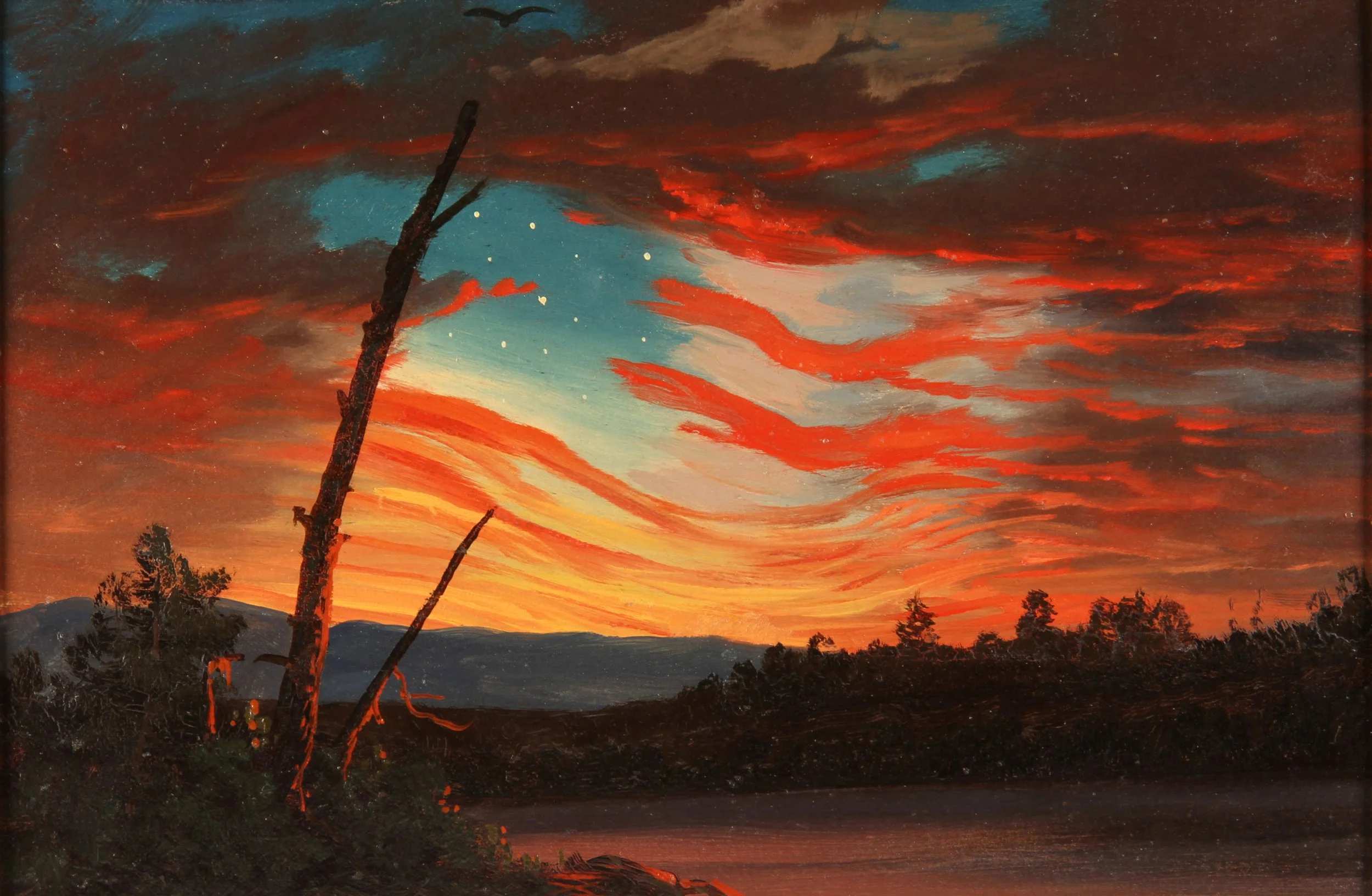
Our Banner in the Sky — 1861. Frederic Edwin Church transformed an American landscape into a vision of the national flag, its stars and stripes emerging from a dramatic sunset. Painted during the opening year of the Civil War, the work shows how landscape could become more than scenery—it could carry ideas about nation, identity, and belonging.
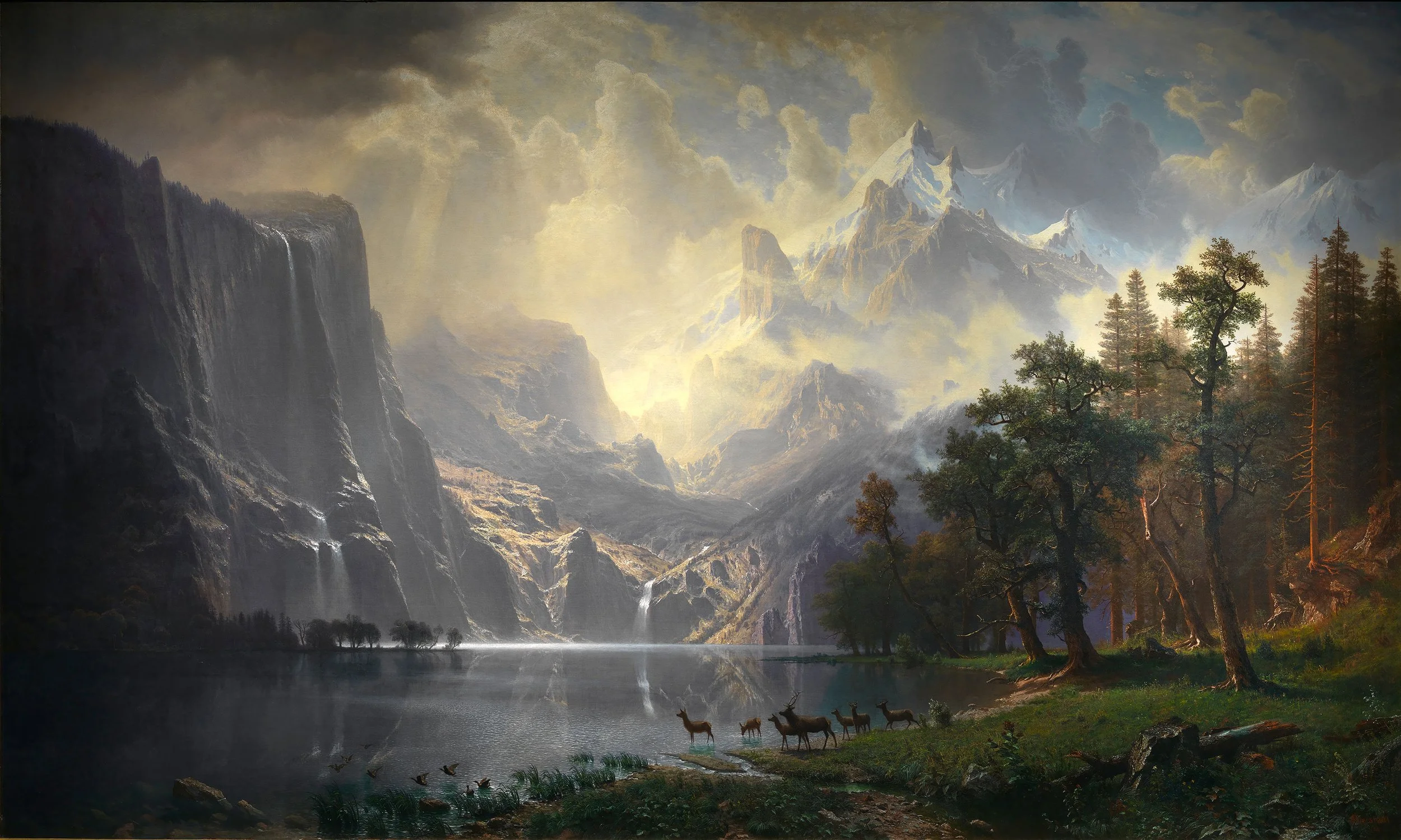
The West Imagined — 1868. Albert Bierstadt’s Among the Sierra Nevada, California presented the American West on an immense and luminous scale. Painted from sketches made during his western travels, the work brought distant mountains and valleys before audiences who might never see them firsthand—helping shape an enduring image of the West as vast, dramatic, and seemingly untouched.
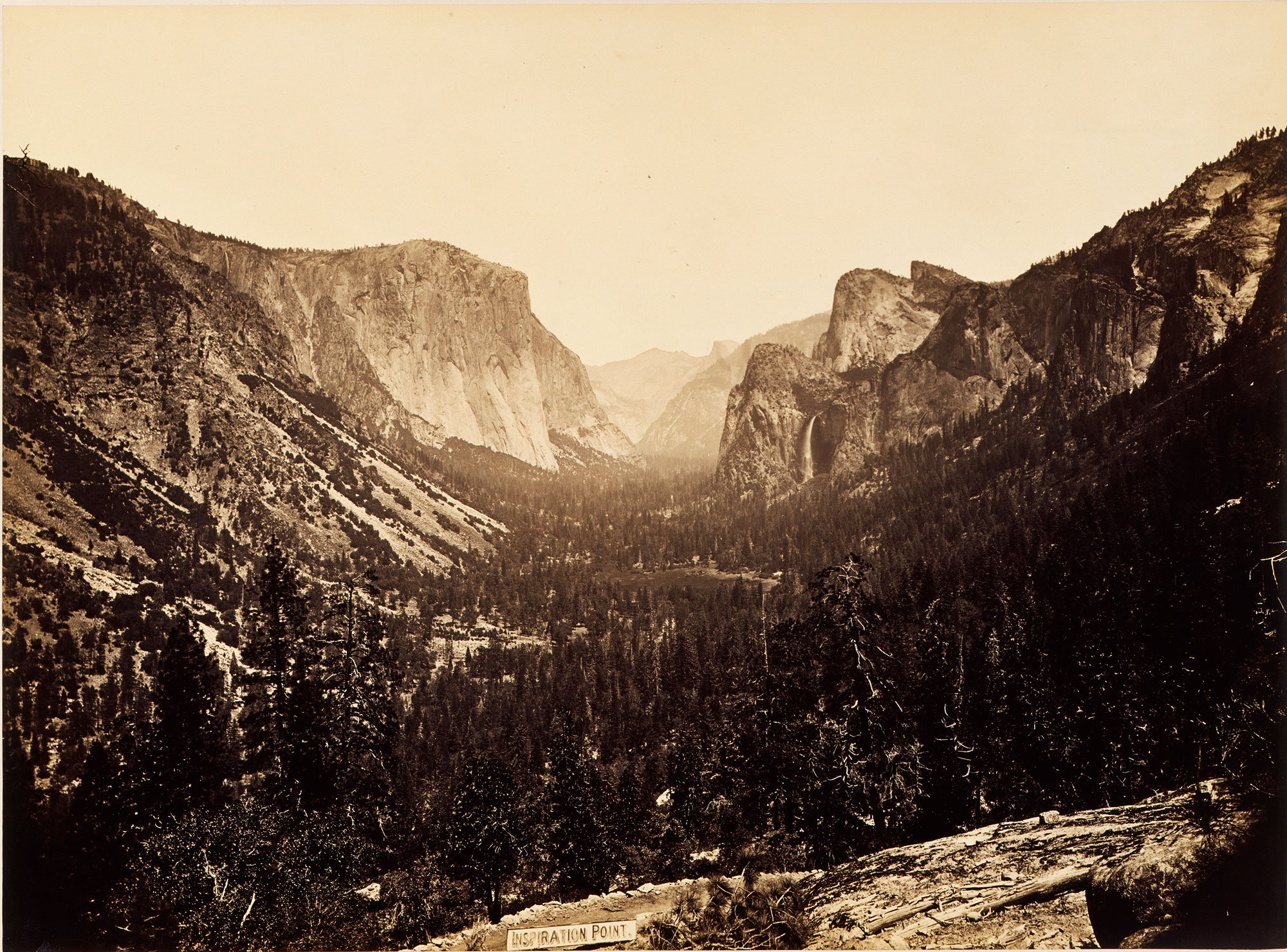
Yosemite — c. 1865. Carleton Watkins's large-format photographs brought the scale of Yosemite to viewers across the country. Photography offered something new: distant American landscapes could now be recorded with extraordinary detail and circulated far beyond the places where they were made.
Painting and photography did more than record the landscape.
They helped create an image of America—vast, dramatic, abundant, and still being defined.
The American Landscape
From the Hudson River School to Ansel Adams, American artists transformed the landscape into something more than scenery—a way of seeing and imagining the nation.
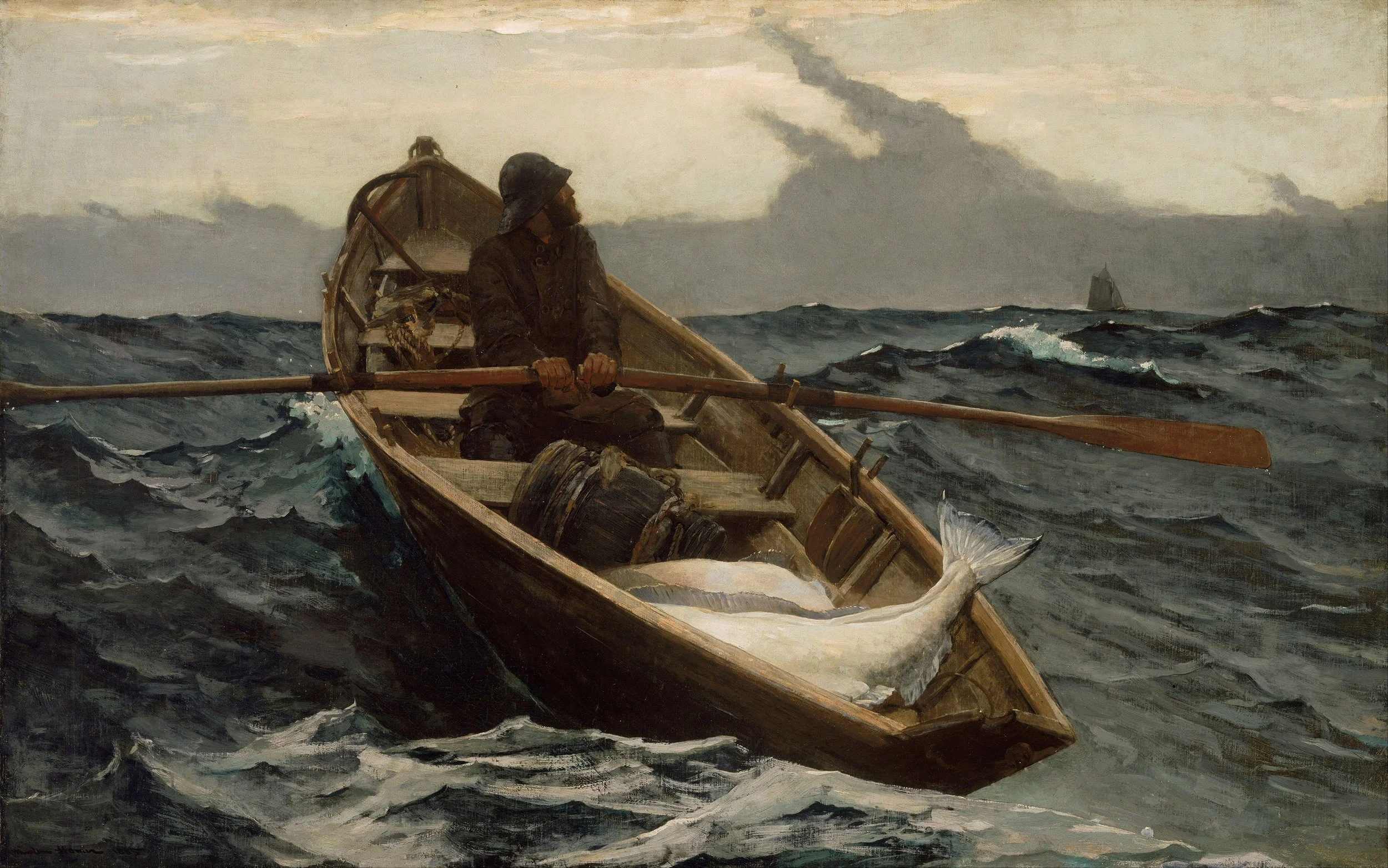
The Fog Warning — 1885. Winslow Homer's The Fog Warning portrays a lone fisherman battling rough seas as an approaching fog threatens to obscure his distant ship. Homer turned the American landscape into a setting for human struggle, capturing the uncertain relationship between people and the forces of nature.
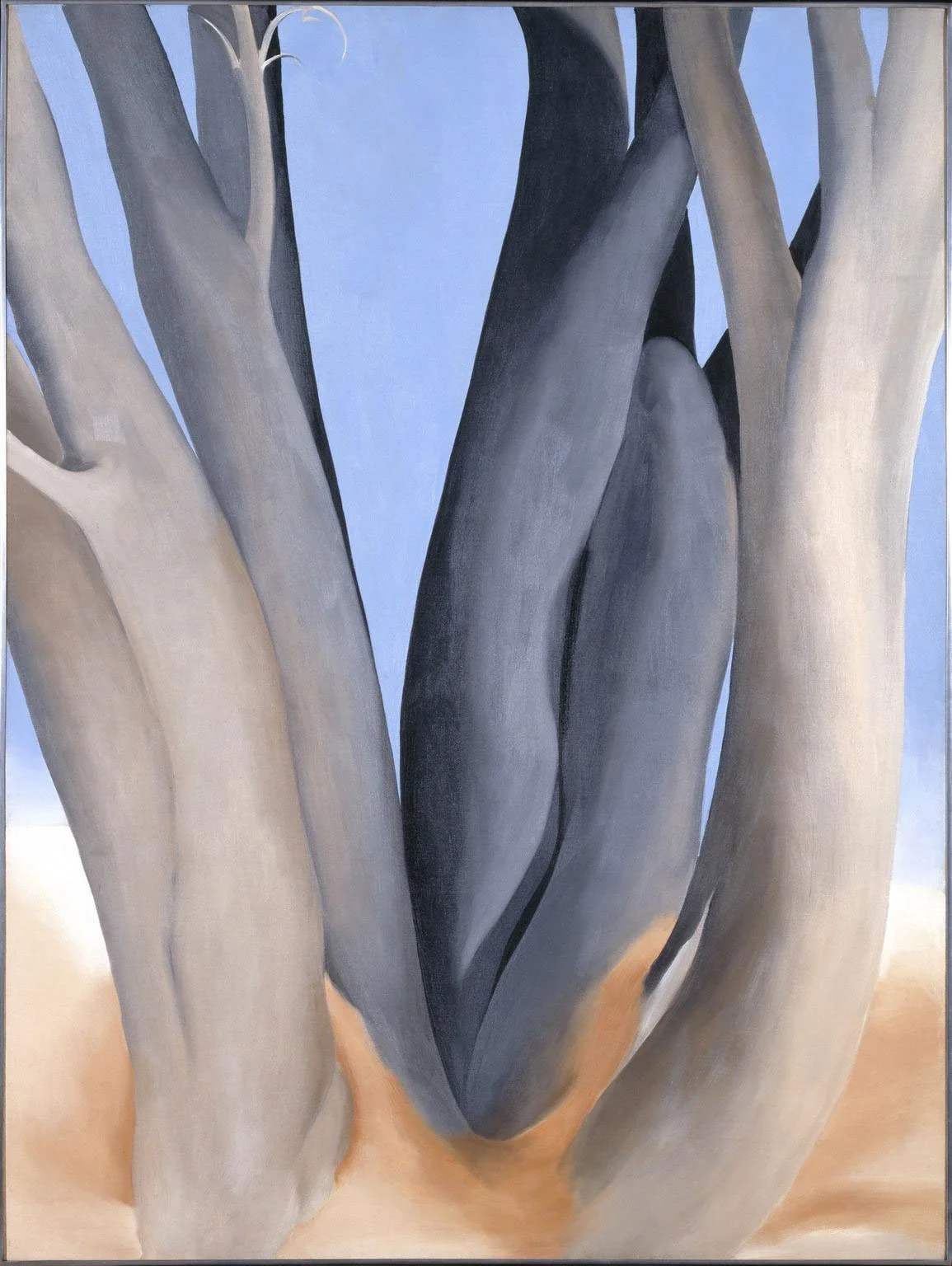
New Mexico Reimagined — 1929 In Trees at Glorieta, New Mexico, Georgia O'Keeffe transformed a familiar landscape into an arrangement of distinctive shapes and colors. Her modern approach offered a more personal interpretation of the American landscape, emphasizing form and artistic expression.
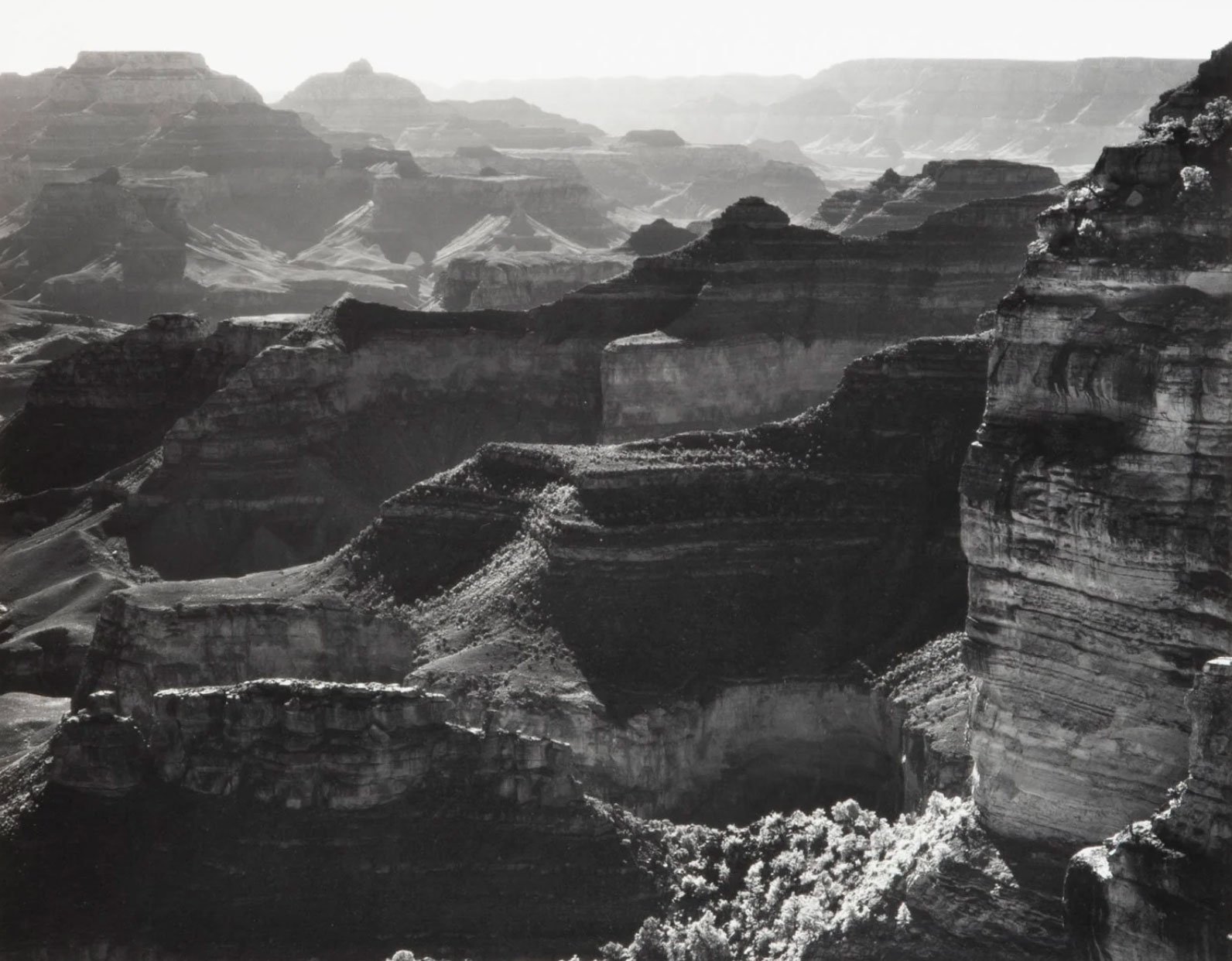
The Landscape Through a Lens — 1941. Ansel Adams's photographs revealed the American West through carefully composed contrasts of light, shadow and form. His images brought renewed attention to the grandeur of the natural landscape and became closely associated with the preservation of America's national parks.
America Reinvents Art
By the early twentieth century, American artists were moving beyond traditional representations of the world.
Influenced by European modernism but increasingly confident in their own artistic identities, painters began experimenting with abstraction, color, movement, and new ways of expressing the human experience.
In the decades following World War II, New York emerged as a major center of international art, challenging Europe's longstanding dominance and helping redefine the possibilities of painting.
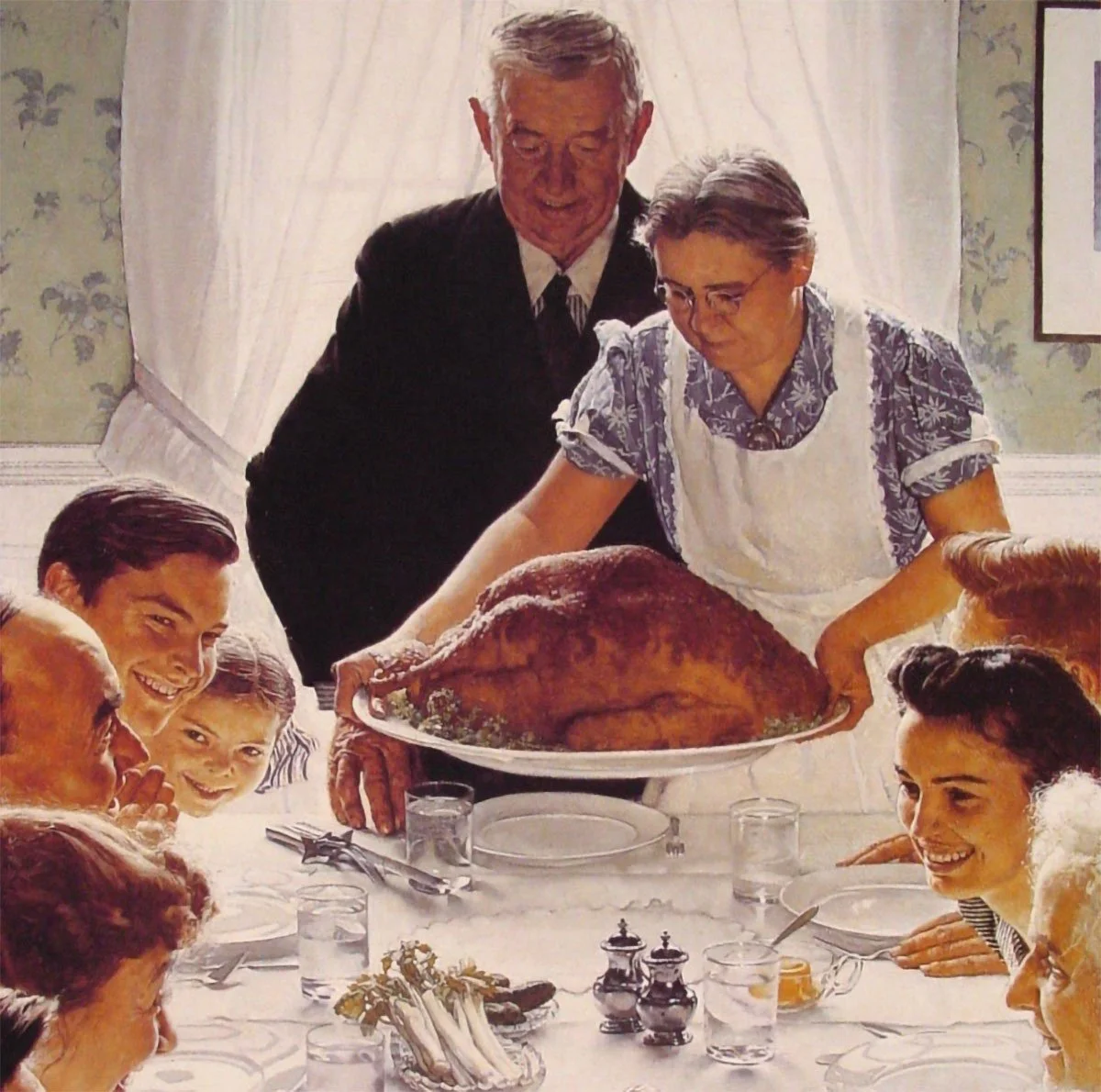
Norman Rockwell (1894–1978) — Art and the American Experience. Freedom from Want, 1943. Part of Rockwell's celebrated *Four Freedoms* series, inspired by President Franklin Roosevelt's vision of fundamental human freedoms, this painting depicts an American family gathered for Thanksgiving dinner. Through familiar scenes and carefully observed details, Rockwell captured the hopes, values, and everyday experiences of American life, creating some of the nation's most enduring popular images.

Jackson Pollock (1912–1956) — The Art of Abstraction. Number 1, 1950 (Lavender Mist), 1950. A leading figure of Abstract Expressionism, Jackson Pollock revolutionized modern painting through his innovative technique of dripping and pouring paint onto canvases laid on the floor. His intricate webs of color and movement challenged traditional ideas of composition and artistic expression, helping establish New York as a major center of the international art world.
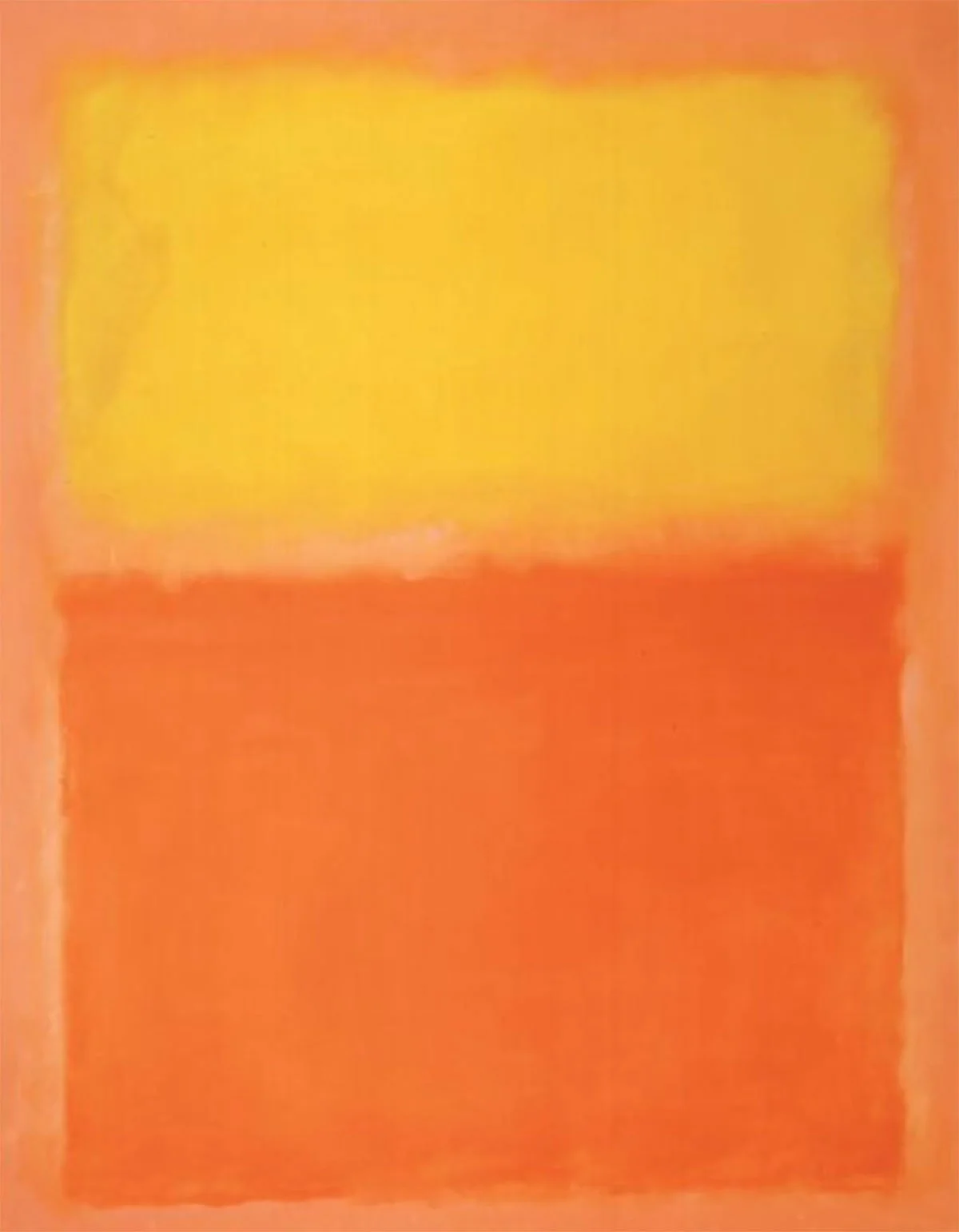
Mark Rothko (1903–1970) — The Emotional Power of Color. Orange and Yellow, 1956. A leading figure of Abstract Expressionism, Mark Rothko explored the emotional possibilities of color through large, luminous fields of softly blended hues. Rejecting recognizable subjects, his paintings invited viewers to experience art through feeling and contemplation. His work helped redefine modern painting, demonstrating how simplicity of form and color could convey profound emotional depth.
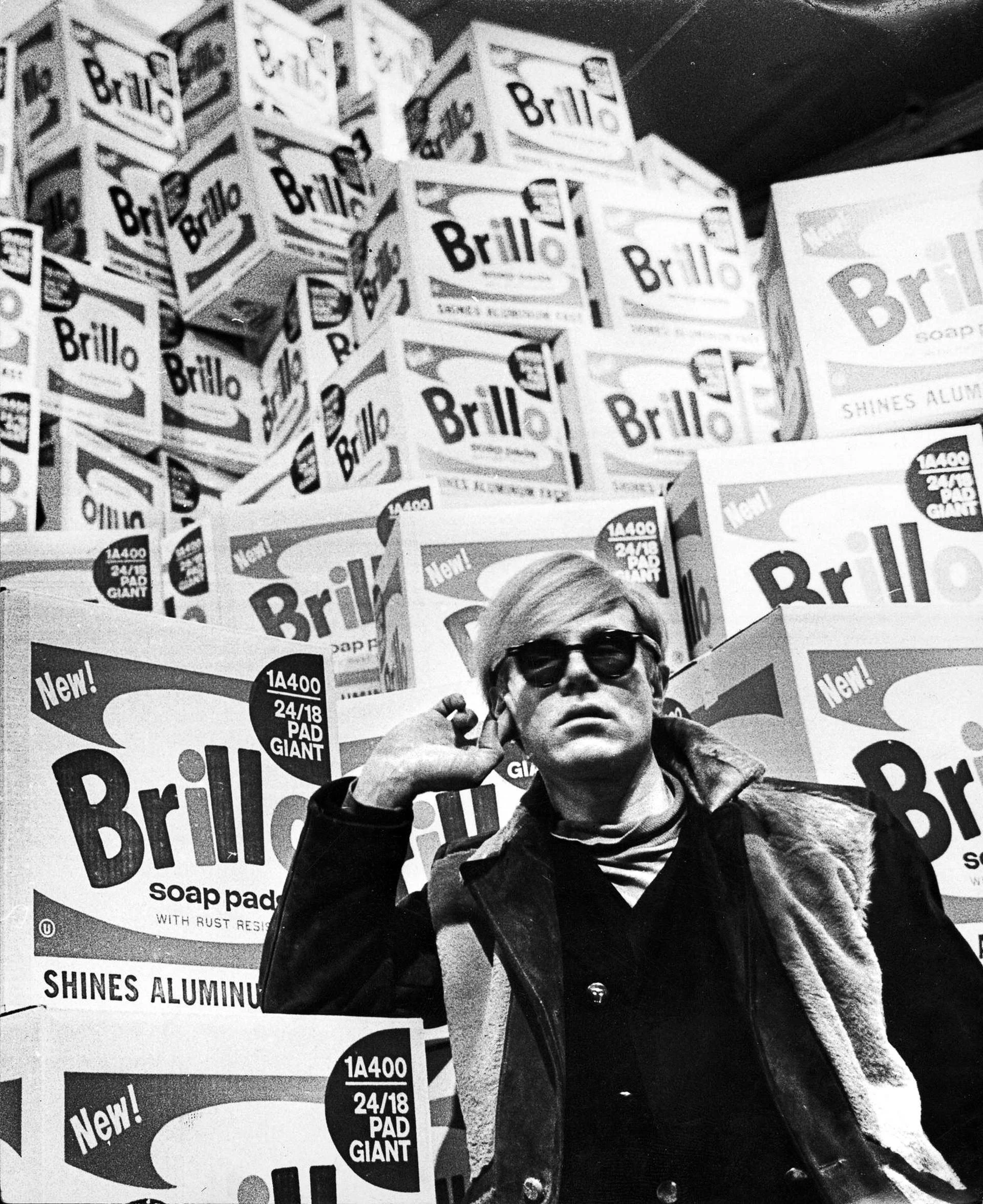
Andy Warhol (1928–1987) — Art and Popular Culture. Warhol with His Brillo Boxes, Stockholm, 1968. A leading figure of American Pop Art, Andy Warhol transformed familiar commercial imagery into works of art, challenging traditional distinctions between fine art, advertising, and consumer culture. His Brillo Box sculptures reproduced the packaging of an everyday household product, reflecting the growing influence of mass production and popular imagery on American life. His work helped redefine the possibilities of modern art.

Alexander Calder (1898–1976) — Sculpture in Space. Eagle, 1971. Olympic Sculpture Park, Seattle, Washington. A pioneer of modern American sculpture, Alexander Calder transformed abstract forms into dynamic expressions of movement, balance, and space. Best known for his innovative mobiles and monumental stationary sculptures, known as stabiles, Calder combined bold colors with sweeping geometric shapes. His towering steel Eagle demonstrates how modern sculpture could interact with architecture, landscape, and public space, bringing abstract art into everyday American life.
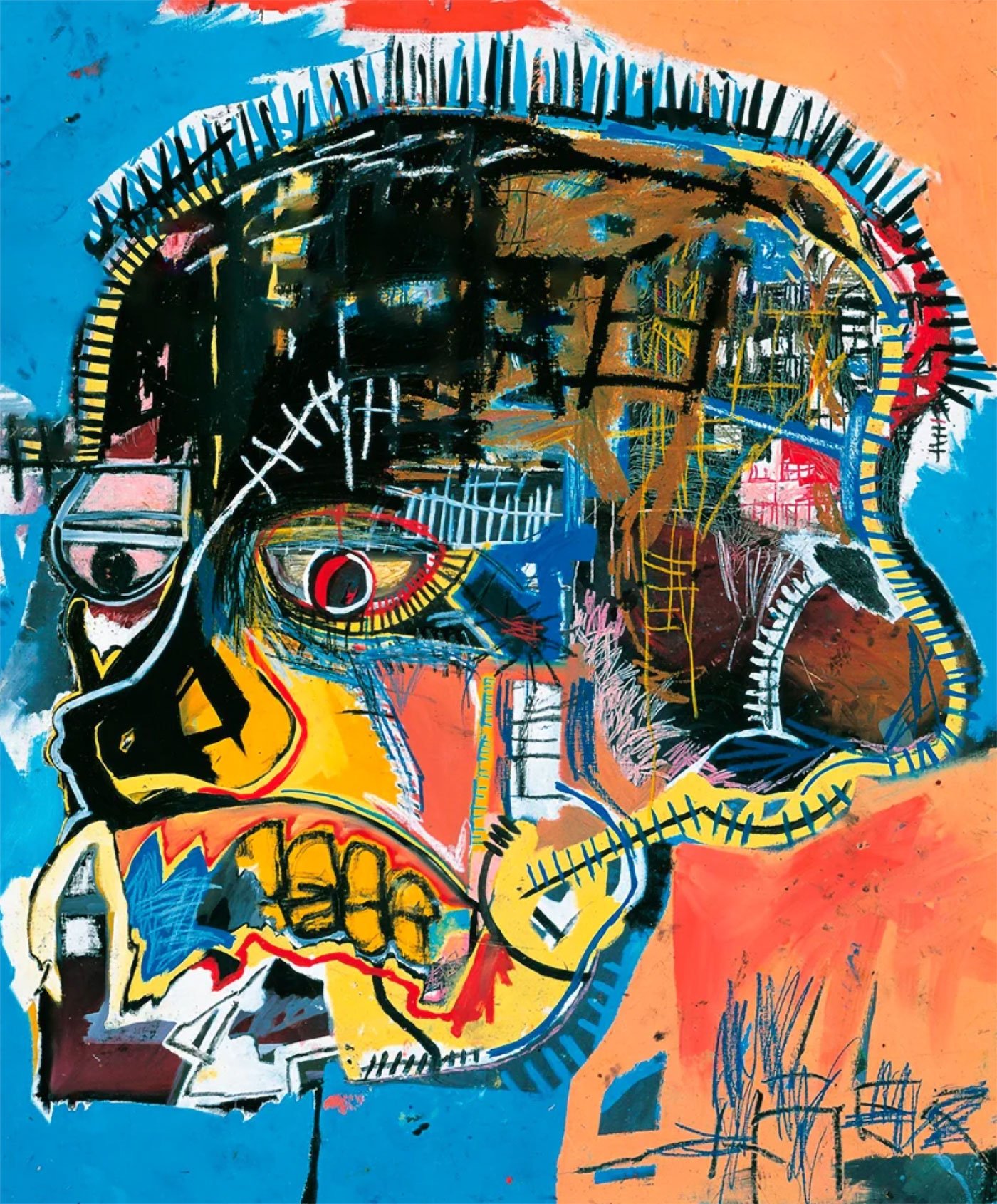
Jean-Michel Basquiat (1960–1988) — A New Voice in American Art Untitled (Skull), 1981. Emerging from New York's street art scene, Jean-Michel Basquiat brought a raw, expressive energy to American painting. Combining bold colors, fragmented figures, and symbols drawn from history, anatomy, and popular culture, his work explored race, identity, and power. His art challenged established conventions and helped expand the possibilities of contemporary American art, bringing new voices and perspectives into the cultural mainstream. Image Note Untitled (Skull) (1981), Jean-Michel Basquiat. © Estate of Jean-Michel Basquiat. Reproduced for historical commentary and educational discussion of American art. The artwork remains protected by copyright. Its inclusion is intended as fair use under U.S. copyright law.
Literature and the American experience
American writers inherited literary traditions from Europe, but the changing nation offered subjects and experiences of its own.
Through poetry, novels, essays, and personal narratives, they explored American life—its ambitions and contradictions, its expanding horizons, and the experiences of people whose voices had often gone unheard.
Their work helped create a literature increasingly recognizable as American.
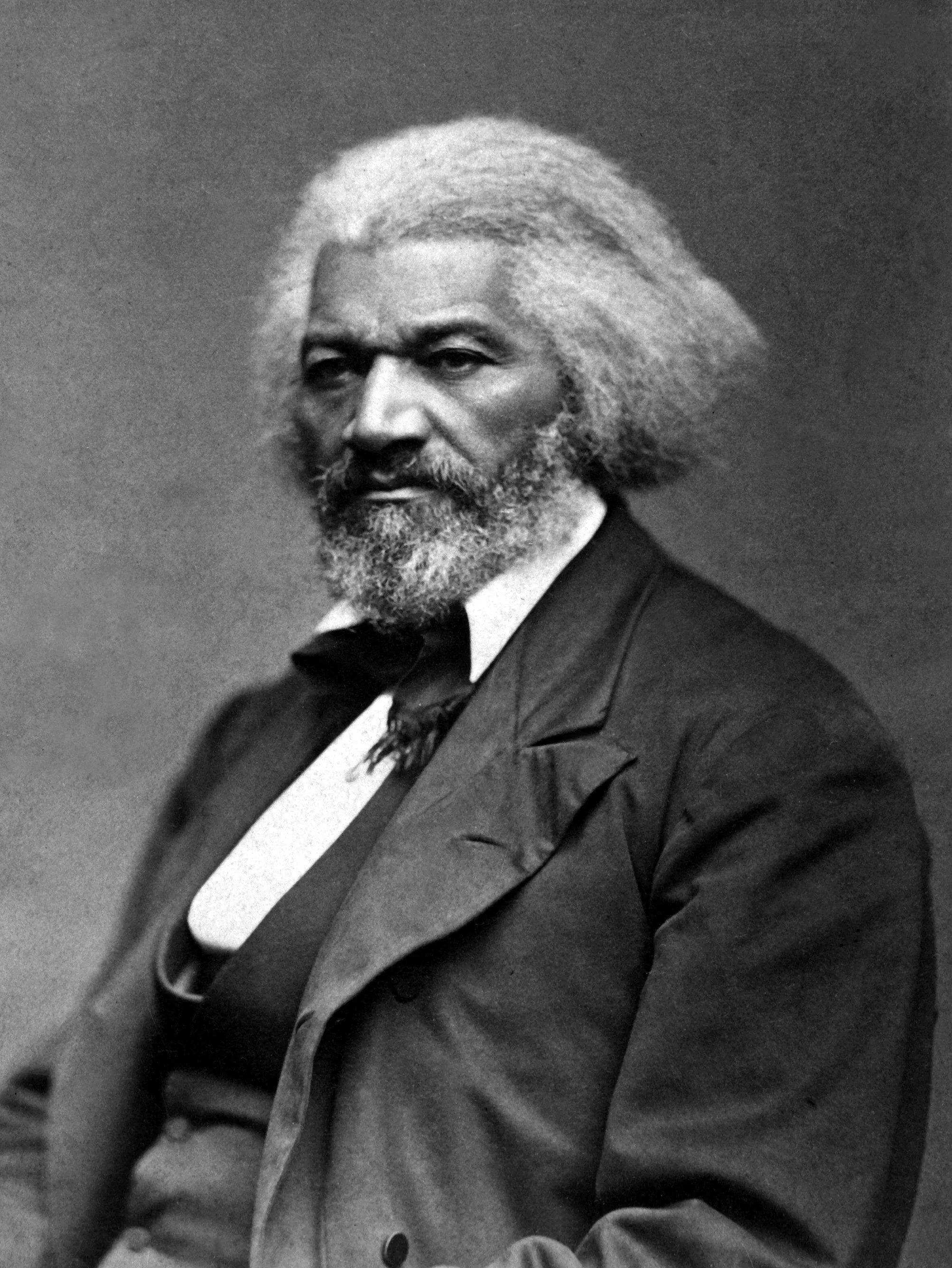
Frederick Douglass 1818–1895 The Power of the Written Word. Born into slavery, Frederick Douglass became one of America's most influential writers and orators. His 1845 autobiography brought the realities of enslavement to a wide readership and demonstrated the power of personal testimony.
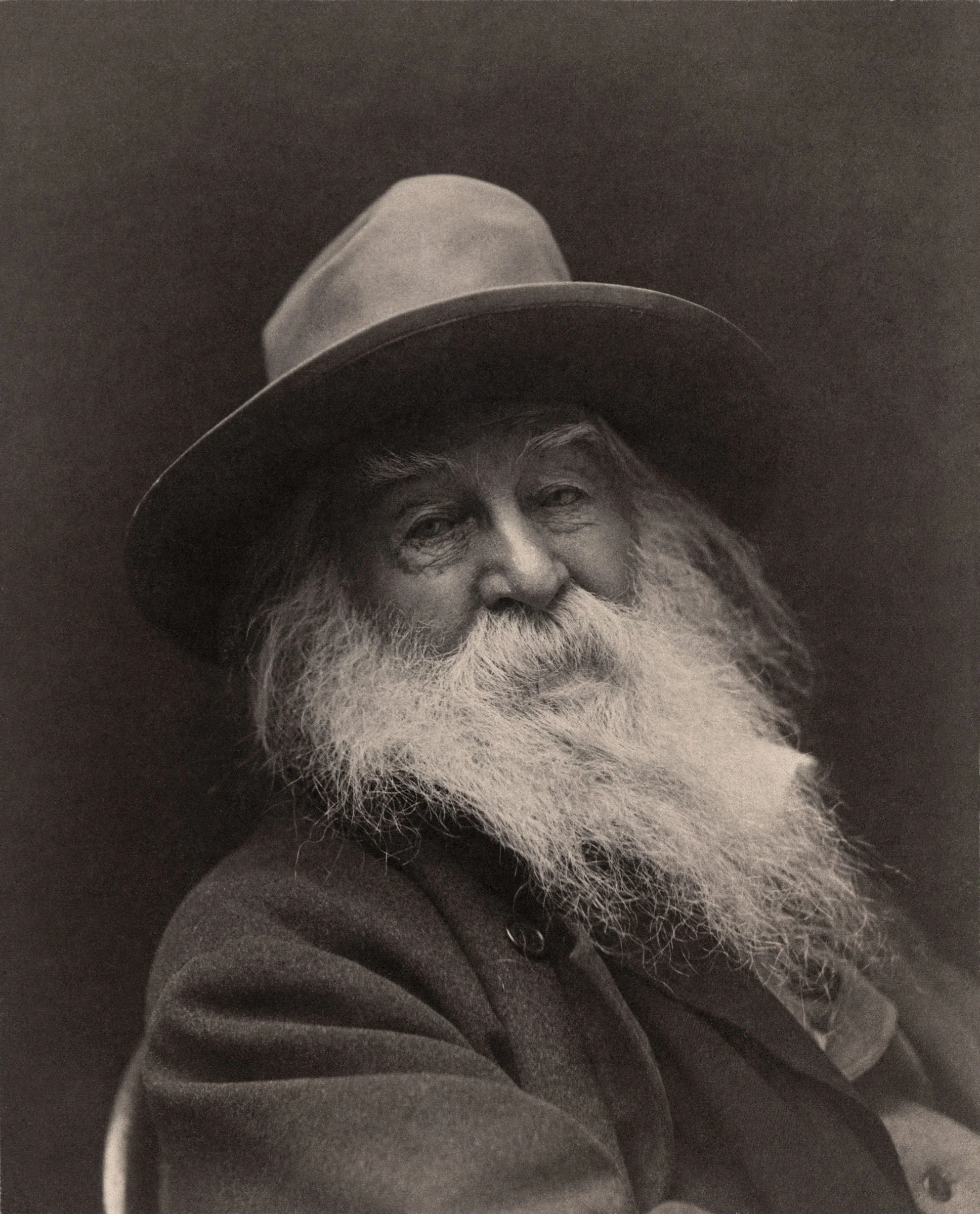
Walt Whitman 1819–1892 A New American Poetry. With the publication of Leaves of Grass in 1855, Walt Whitman introduced an expansive poetic voice that embraced ordinary life, individual experience, and the unique nature of the growing nation.
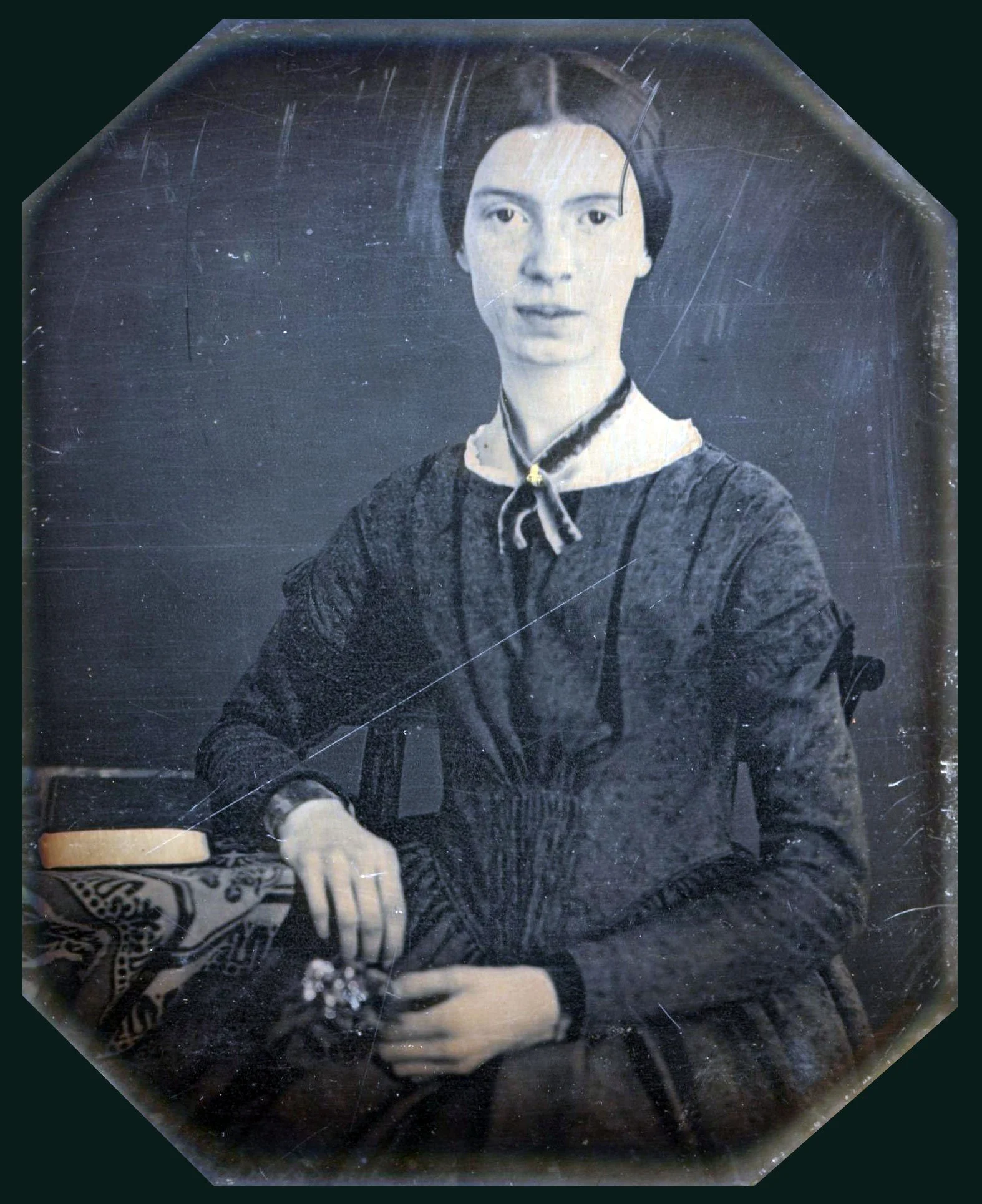
Emily Dickinson 1830–1886 The Inner Landscape. Writing largely outside public literary life, Emily Dickinson developed a remarkably original poetic voice. Her compressed language and unconventional forms explored nature, identity, mortality, and the mysteries of human experience.
An American Voice
From Washington Irving and Walt Whitman to Langston Hughes and James Baldwin, American writers developed distinctive voices that reflected the nation's changing experiences, ambitions, and contradictions—creating a literature that reached far beyond its shores.
The American literary tradition extended far beyond the writers featured here.
Other voices explored the nation's imagination, conscience, and relationship with the natural world, adding new dimensions to an increasingly varied literature.
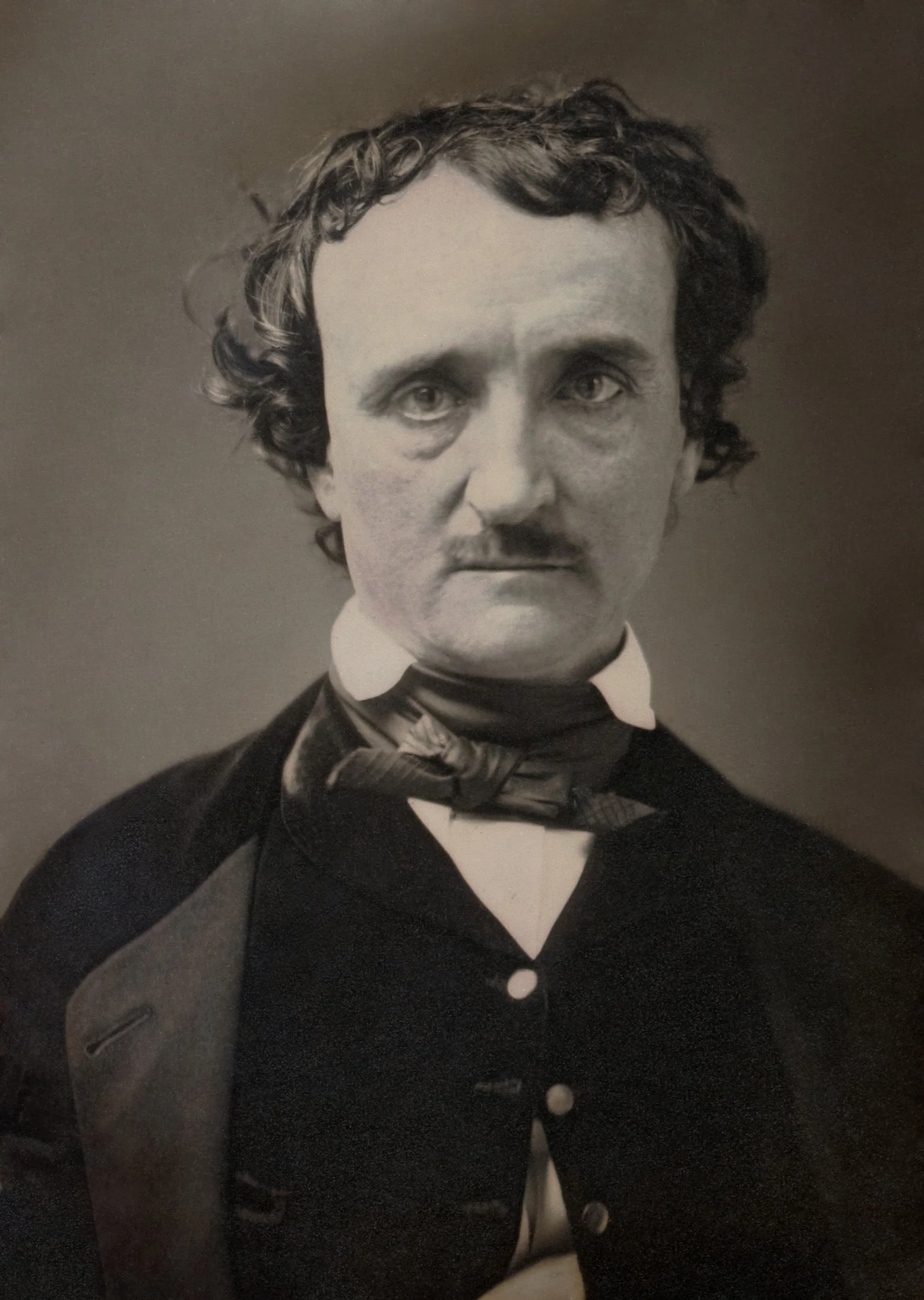
Edgar Allan Poe (1809–1849). The Dark Imagination. Through poetry and short fiction, Edgar Allan Poe explored fear, obsession, mystery, and the darker reaches of the human mind. His innovative storytelling helped establish the modern detective story and profoundly influenced Gothic and psychological fiction.
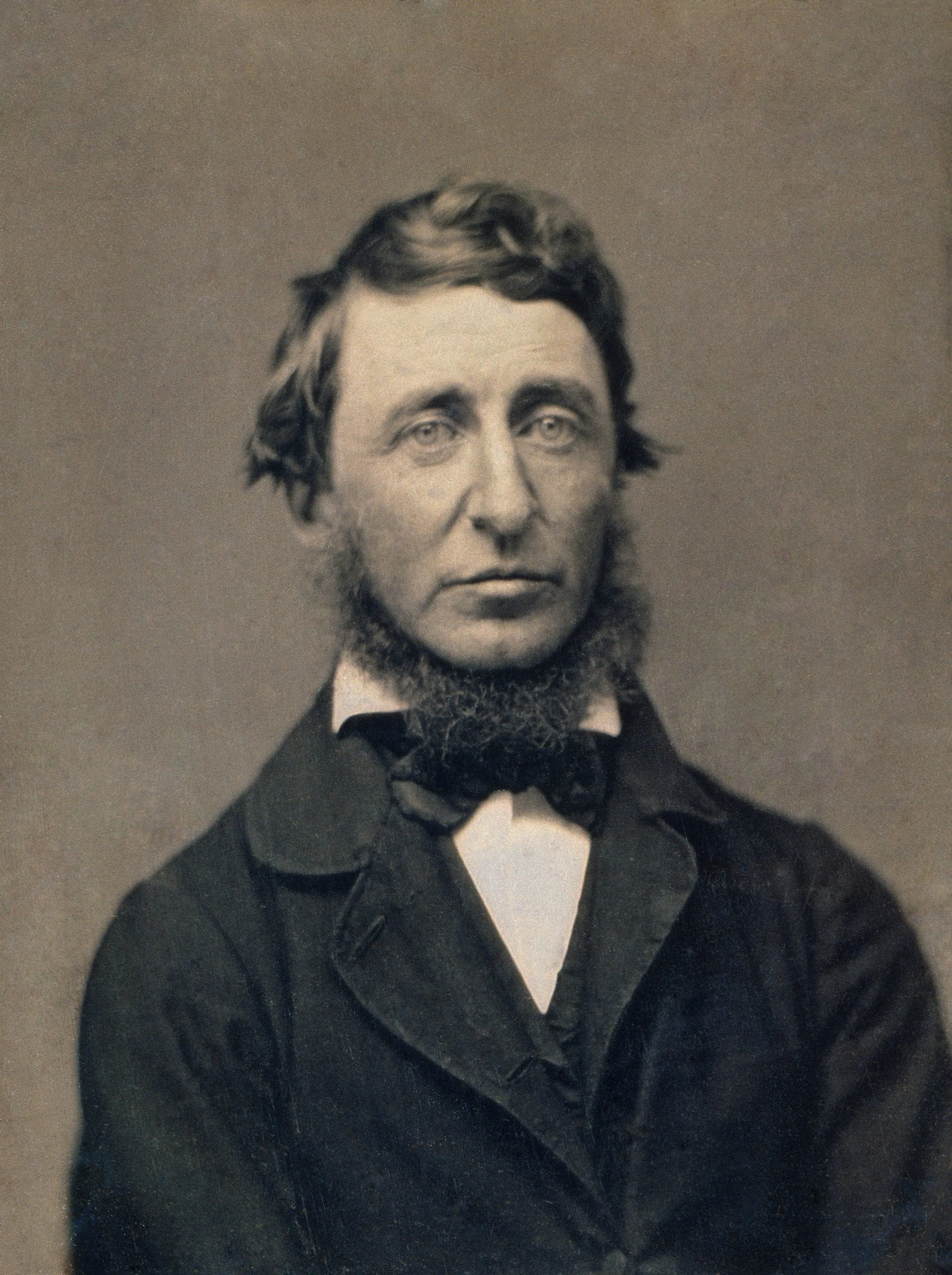
Henry David Thoreau (1817–1862). Nature and Conscience. In Walden, Henry David Thoreau examined the relationship between individual life and the natural world. His essay Civil Disobedience challenged the authority of unjust government, leaving an enduring influence on American political and philosophical thought.
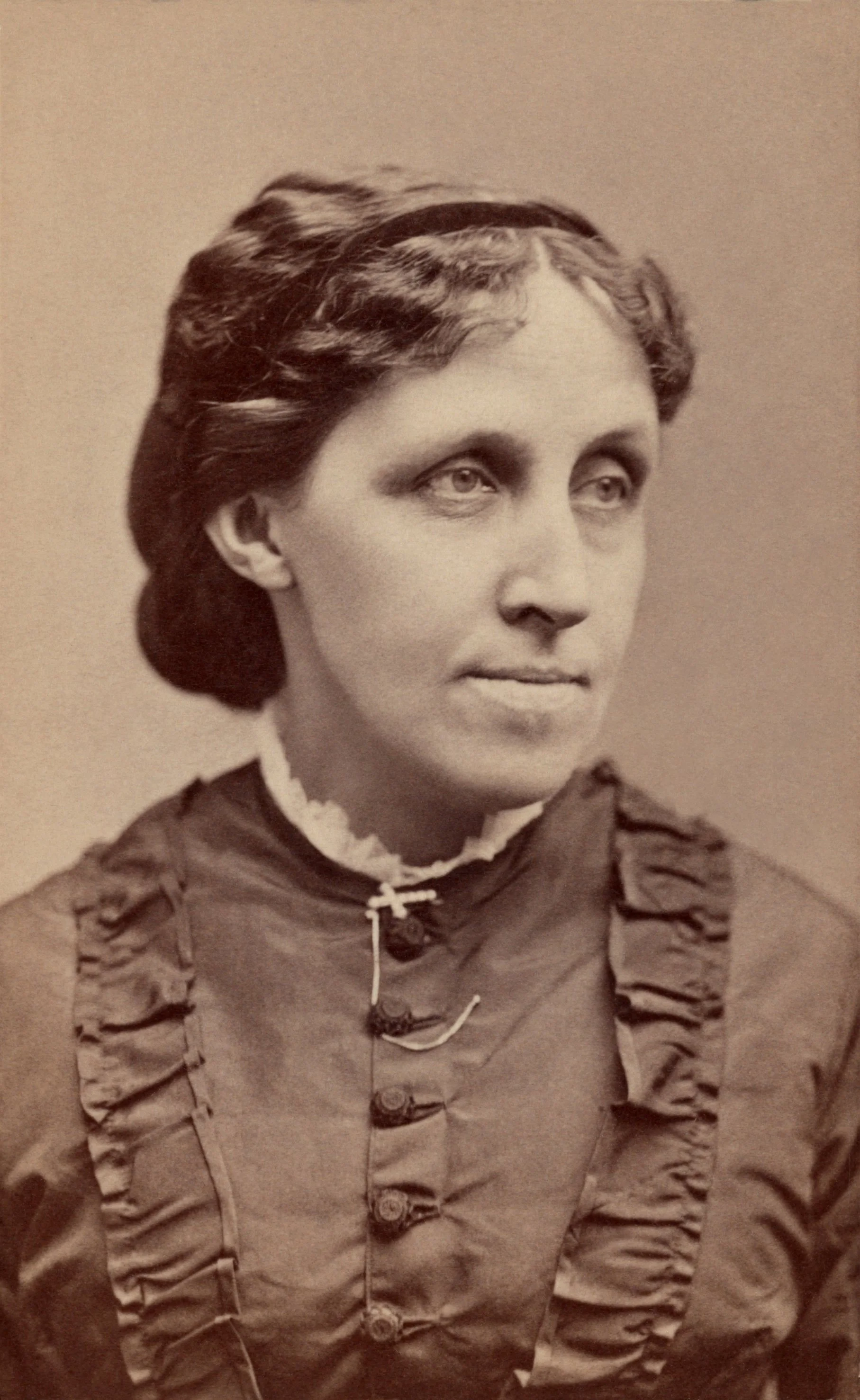
Louisa May Alcott (1832–1888). The Lives of Women. With Little Women (1868–1869), Louisa May Alcott brought the experiences, ambitions, and relationships of women and girls to a wide readership. Her fiction explored family, independence, and the possibilities—and limitations—facing women in nineteenth-century America.
An American Sound
Music and the American experience
American music emerged from an extraordinary meeting of traditions.
European melodies and instruments, African musical practices, Indigenous traditions, spirituals, folk songs, and the music of successive immigrant communities helped shape a distinctive musical culture.
In the colonial period and early republic, composers began developing an American musical identity through sacred choral works, popular songs, theatrical music, and instrumental compositions.
Over time, these traditions mingled and changed. Blues, ragtime, jazz, country, gospel, and eventually rock and roll developed distinctive sounds that reflected the experiences of the people who created them.
Through recordings, radio, film, and live performance, American music reached audiences far beyond the communities where it began—and eventually far beyond the nation's borders.
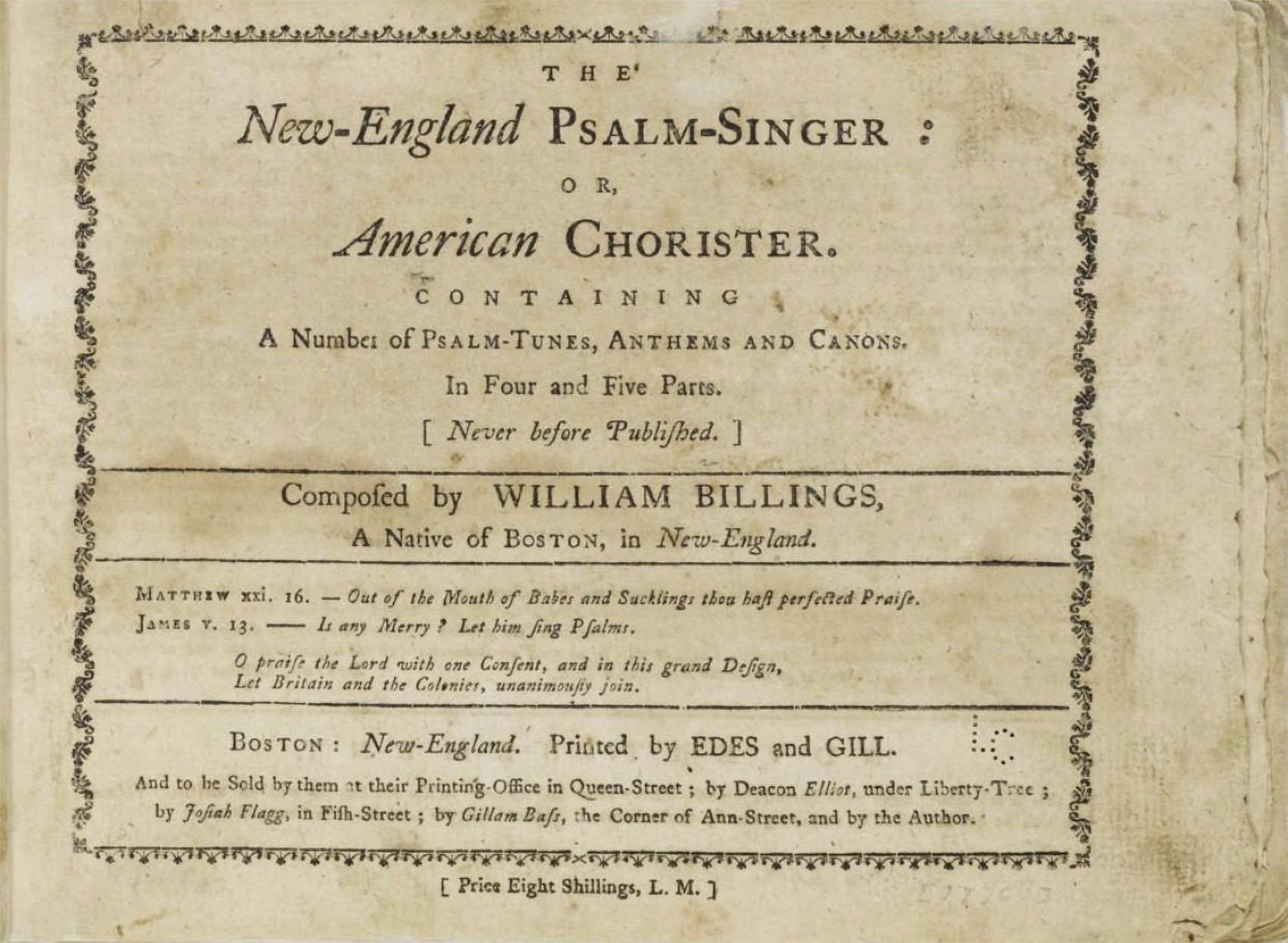
William Billings (1746–1800). An American Choral Tradition. A largely self-taught Boston composer, William Billings helped establish a distinctly American tradition of sacred choral music. His hymns and anthems, including Chester, became part of the musical culture of Revolutionary America.
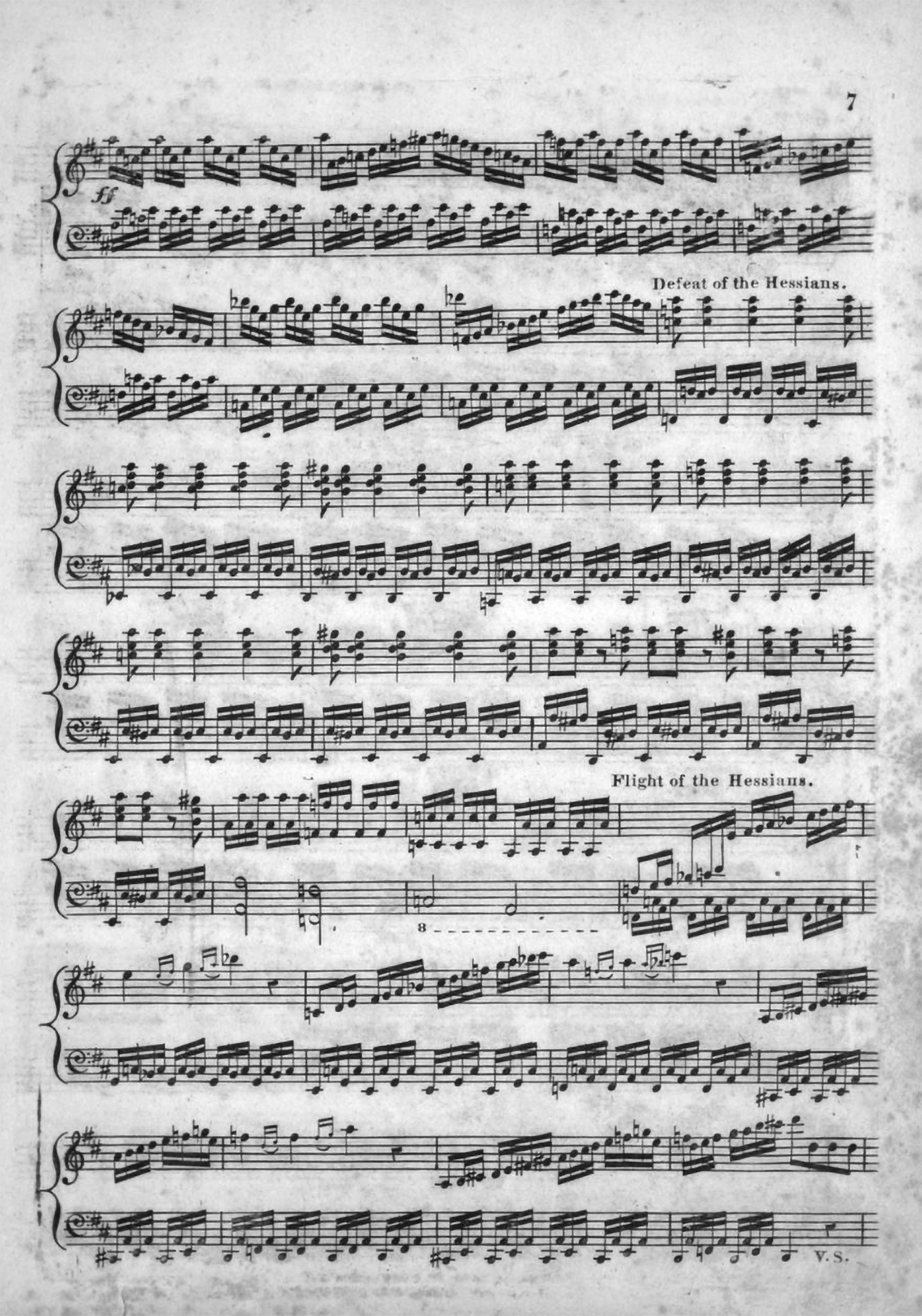
James Hewitt (1770–1827). Music of the Early Republic. English-born composer James Hewitt became an important figure in American theatrical and instrumental music. His piano work The Battle of Trenton transformed a defining Revolutionary victory into a musical narrative.
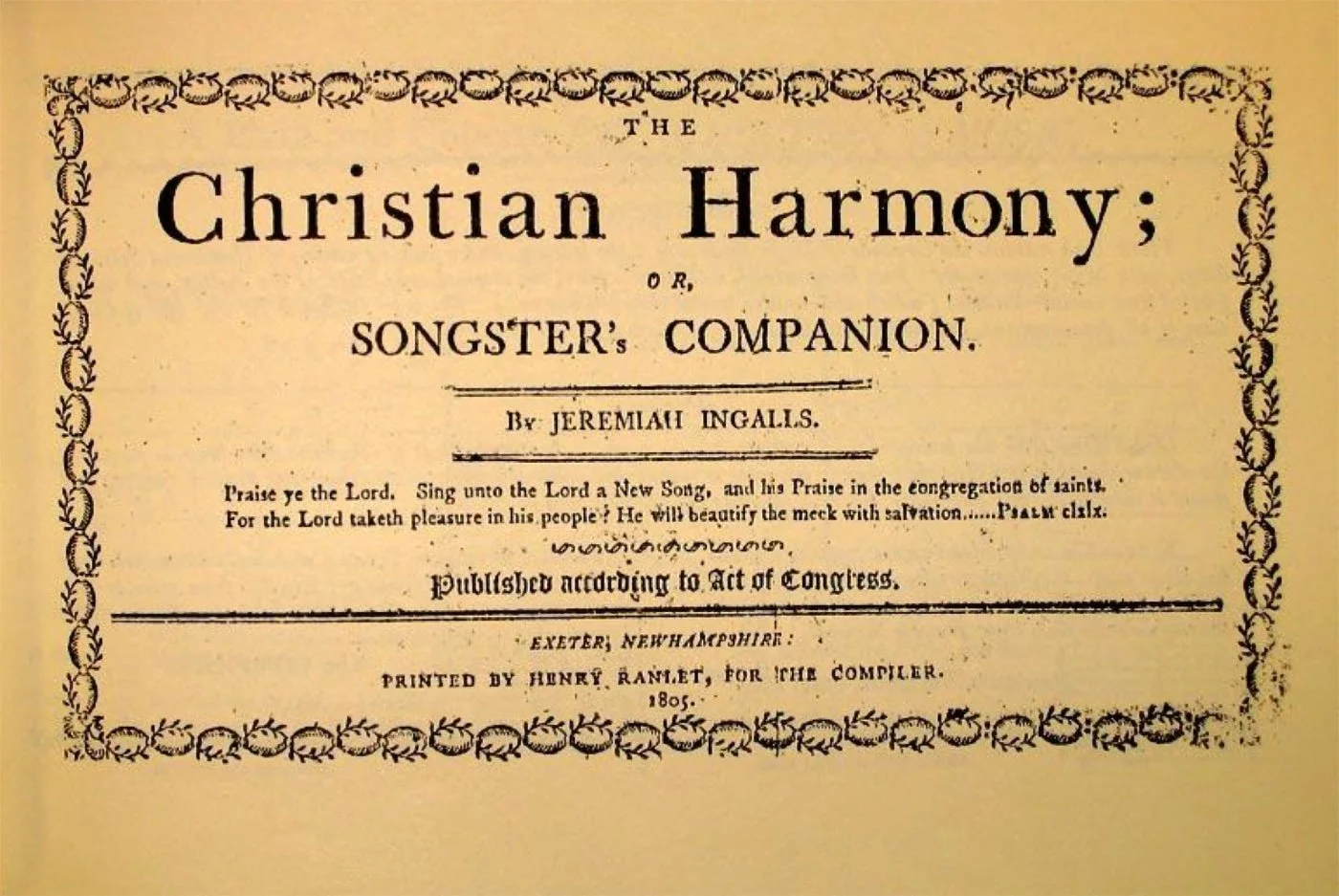
Jeremiah Ingalls — The Music of New England. Composer and singing-school teacher Jeremiah Ingalls helped shape the sacred music of early America. His Christian Harmony (1805) brought together hymns and spiritual songs, reflecting a lively tradition of community singing that flourished beyond established churches.
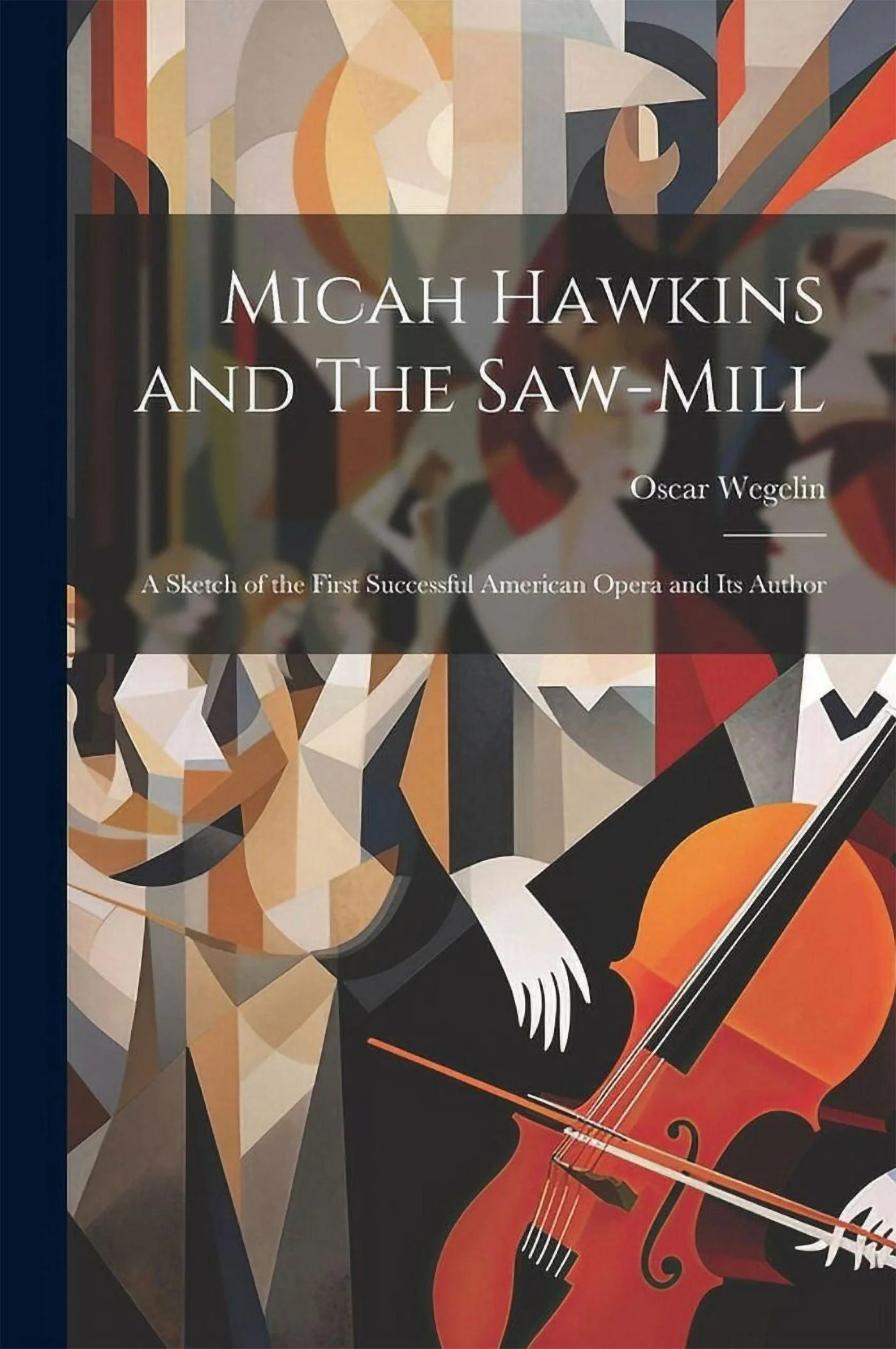
Micah Hawkins — An American Stage. New York composer Micah Hawkins helped bring American subjects and characters into musical theater. His comic work *The Saw-Mill; or, A Yankee Trick* (1824) reflected an emerging theatrical culture increasingly interested in stories drawn from American life.
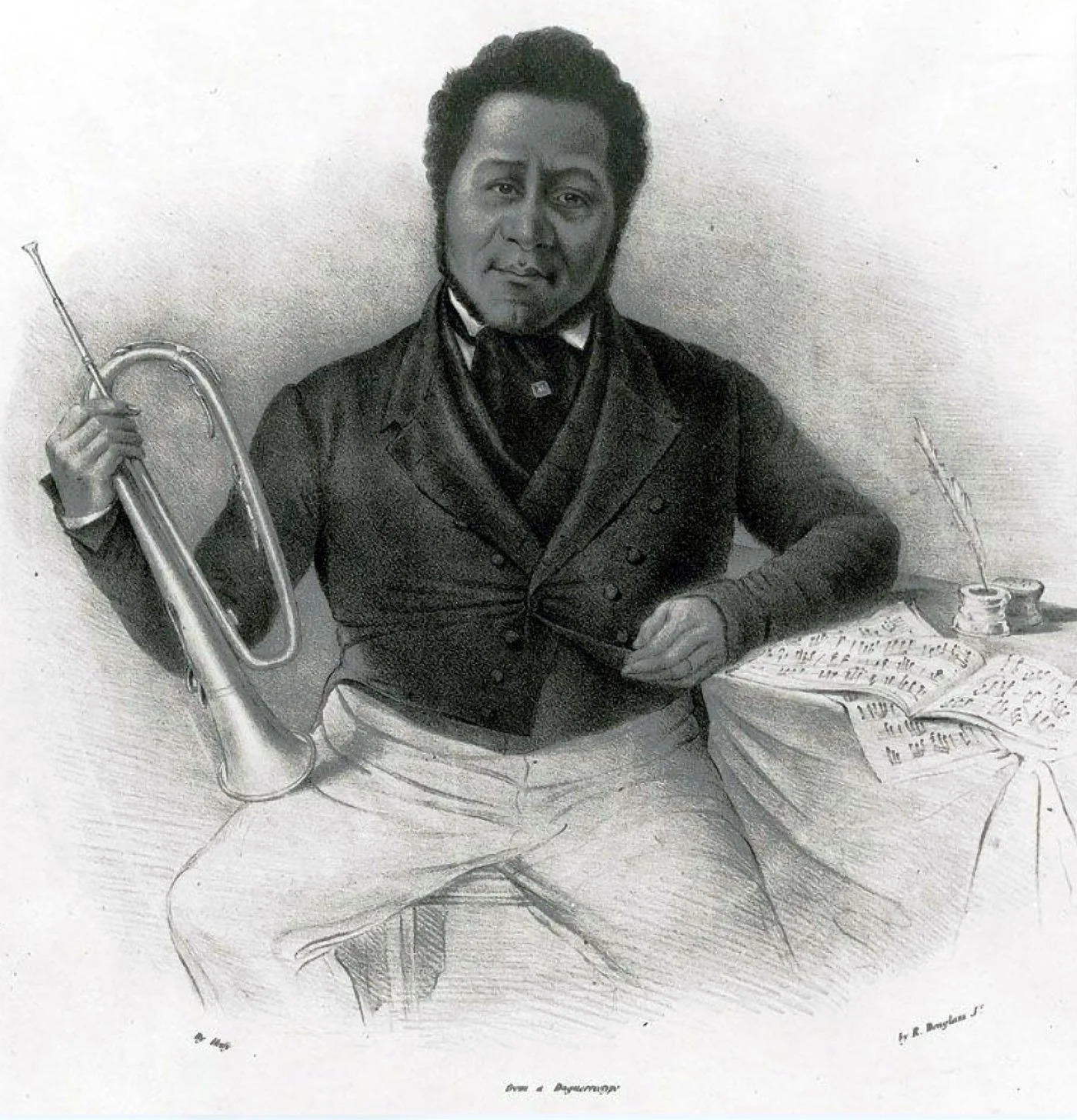
Francis Johnson (1792–1844). A New Public Music. A pioneering Black composer and bandleader, Francis Johnson brought marches, dances, and concert music to audiences in the United States and abroad. His career reflected the growing place of public performance in American musical life.
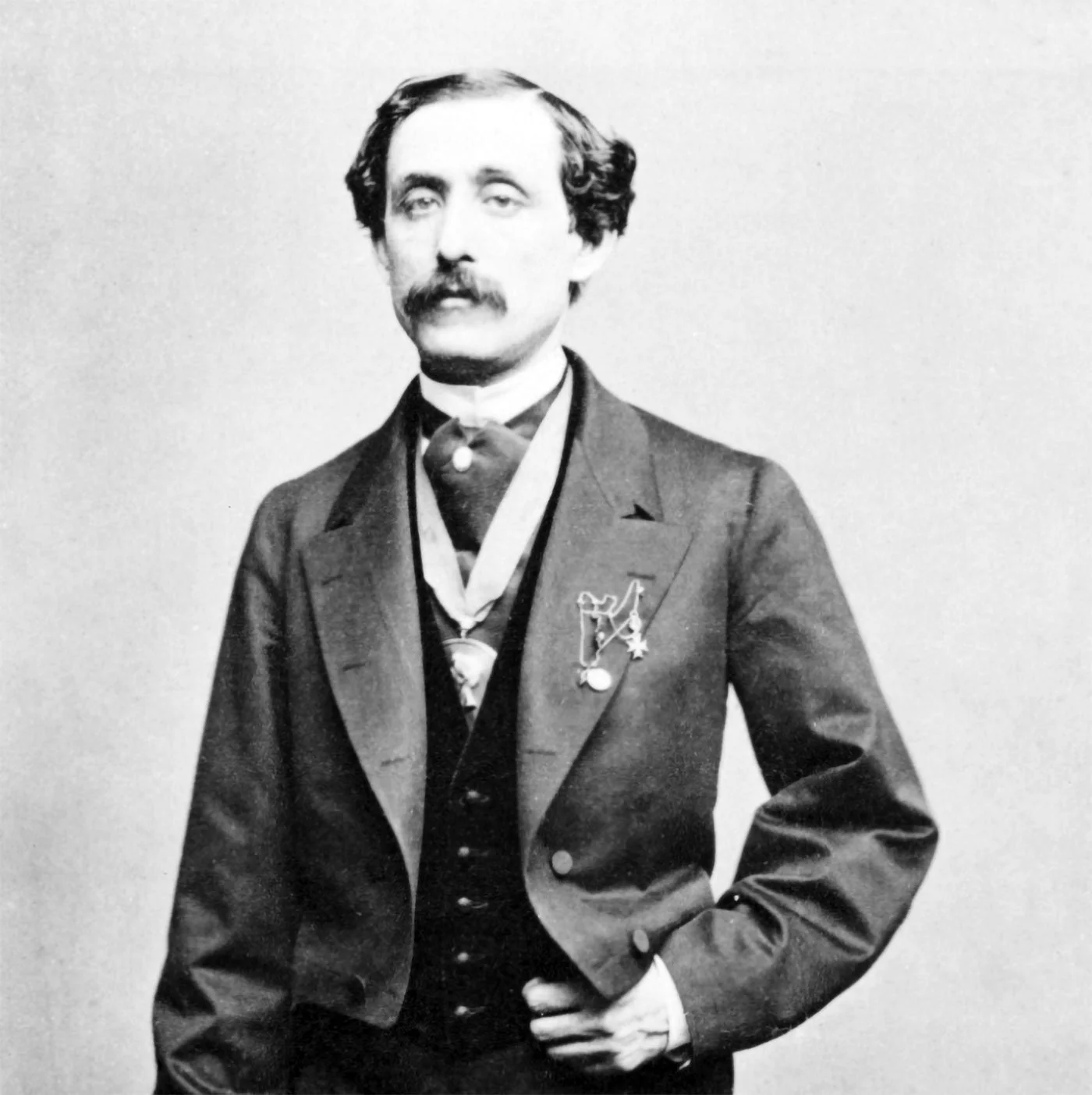
Louis Moreau Gottschalk, (1829–1869) — Beyond European Traditions. Born in New Orleans, pianist and composer Louis Moreau Gottschalk drew upon Caribbean rhythms, Creole musical traditions, and European concert music. His internationally celebrated performances helped bring a distinctly American musical sensibility to audiences on both sides of the Atlantic.
But America's musical identity was shaped by more than its published composers.
Across the country, spirituals, folk songs, and regional musical traditions were passed from generation to generation. As recording technology emerged, many of these sounds began reaching audiences far beyond the communities where they originated.
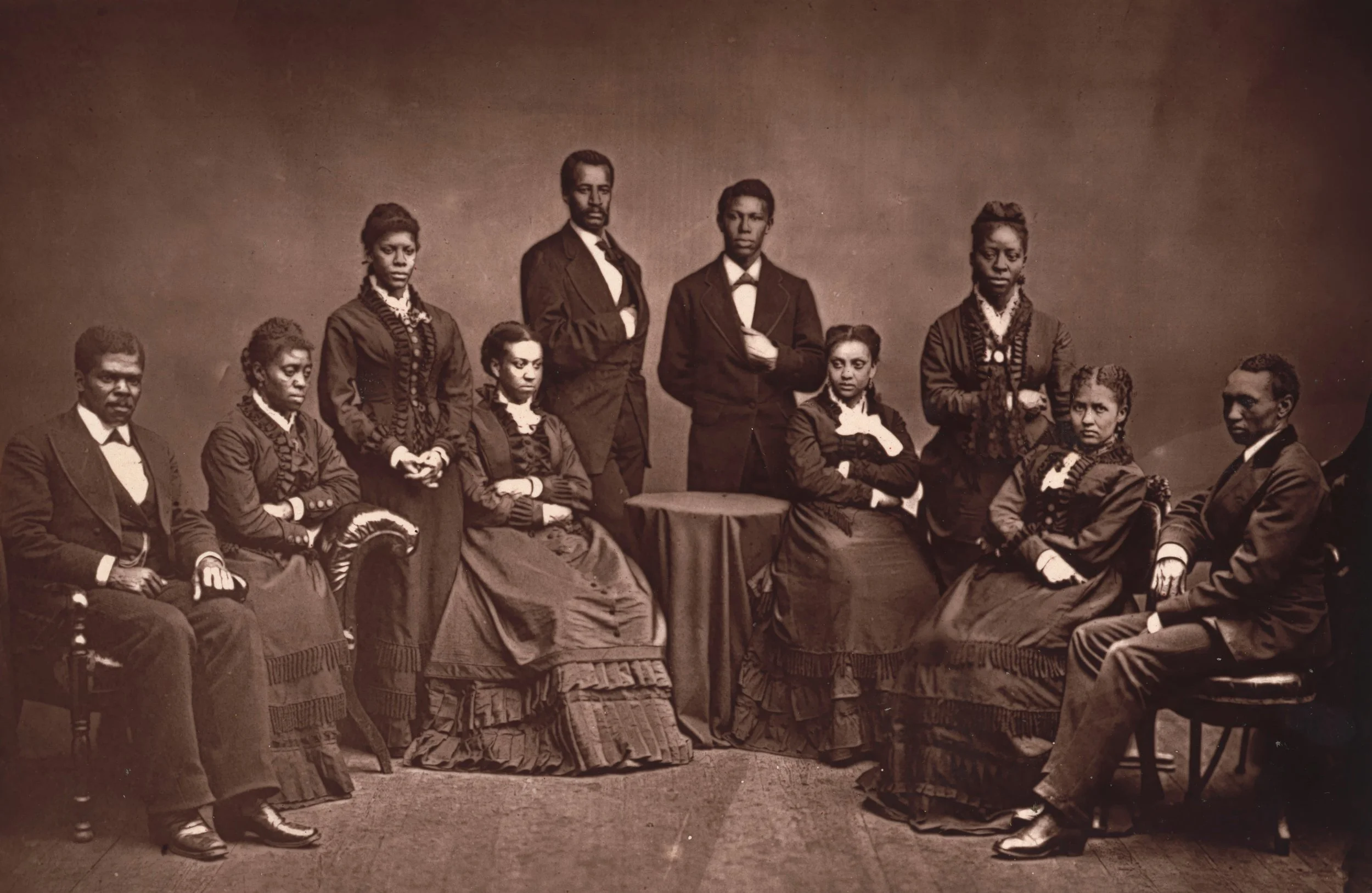
The Spiritual Tradition — 1870s. The Fisk Jubilee Singers helped introduce African American spirituals to national and international audiences, preserving and sharing music rooted in the experiences of enslaved Black Americans.
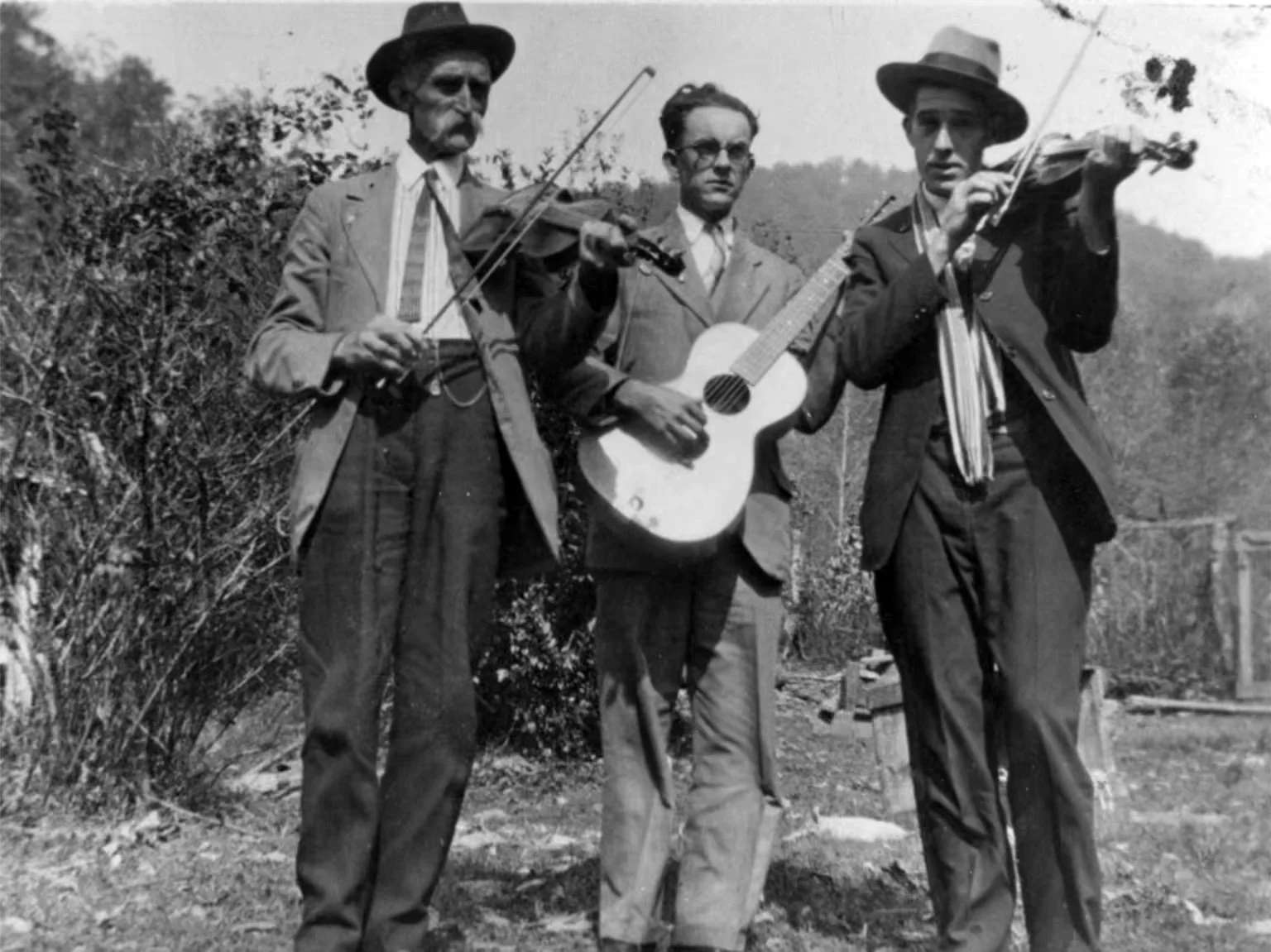
Songs of Everyday Life — Early 20th Century Fiddles, banjos, guitars, and traditional songs carried musical influences across generations. In rural communities, musicians drew upon European and African traditions to create distinctive regional styles.
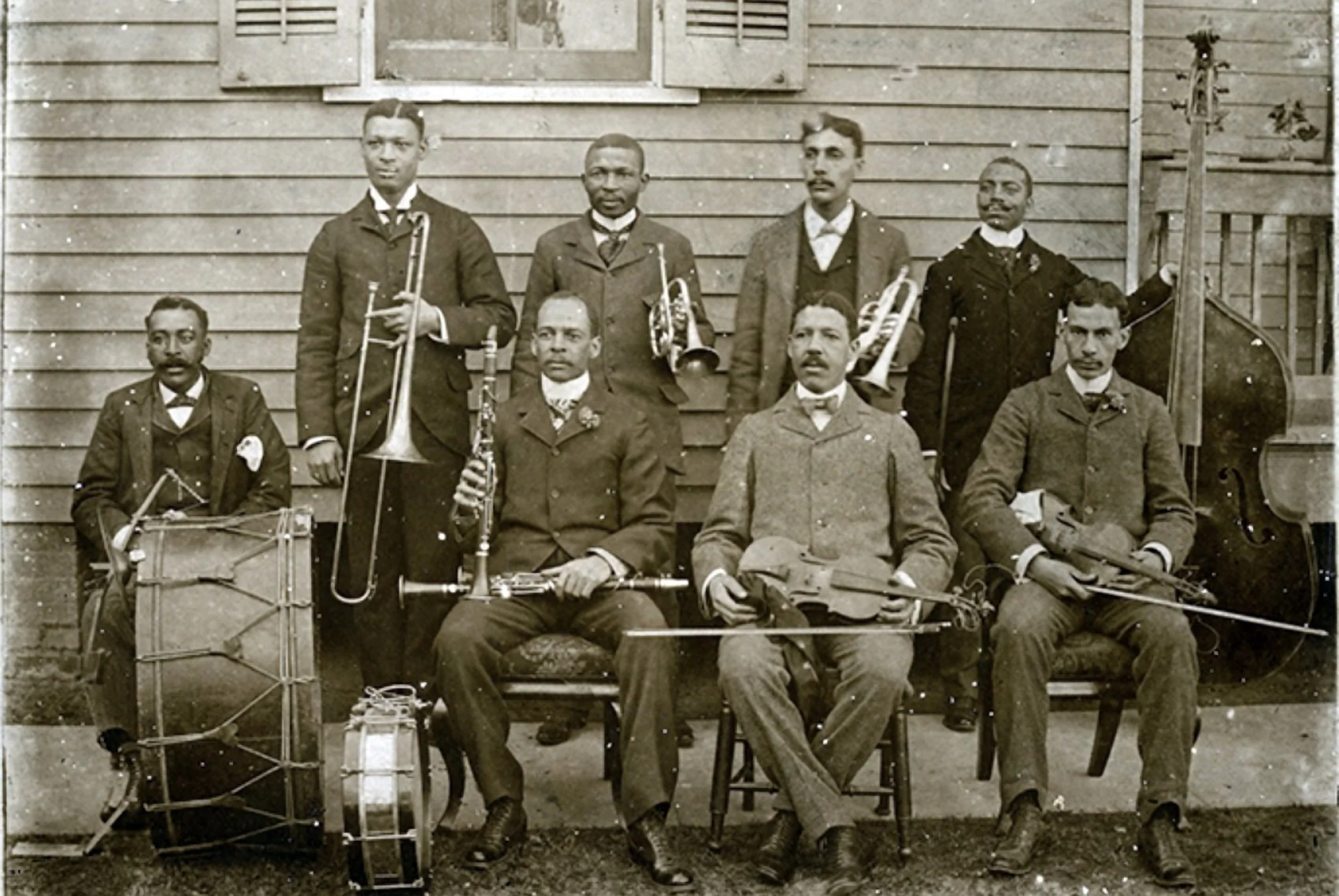
A New Musical Language — Early 20th Century In New Orleans, brass bands, blues, ragtime, and other traditions helped give rise to jazz. Its rhythms, improvisation, and expressive freedom would profoundly influence music around the world.
As the twentieth century unfolded, recording, radio, and new forms of popular entertainment transformed American music.
Regional traditions reached national audiences, musical styles crossed boundaries, and generations of performers created sounds that would influence popular culture around the world.
The American Sound
From spirituals and blues to jazz, country, rock and roll, and hip-hop, American music grew from a remarkable meeting of cultures and traditions. Across generations, musicians transformed inherited sounds into new forms of expression, creating a musical legacy that crossed borders and helped shape the modern world.
American music became one of the nation's most influential cultural exports, carrying its rhythms, stories, and traditions to audiences around the world.
But another American art form was transforming global culture.
Born from experiments in photography and motion, the motion picture would become one of the twentieth century's most powerful forms of storytelling.
The American Screen
At the dawn of the twentieth century, moving pictures were little more than a technological curiosity.
Within a generation, they had become a new form of artistic expression and mass entertainment.
American filmmakers developed new approaches to visual storytelling, editing, performance, and spectacle. As the motion picture industry grew, Hollywood emerged as the center of a global entertainment culture.
From silent films to the arrival of sound, from the great studio productions to independent filmmaking, American cinema reflected the nation's changing character while helping shape how the world imagined America.
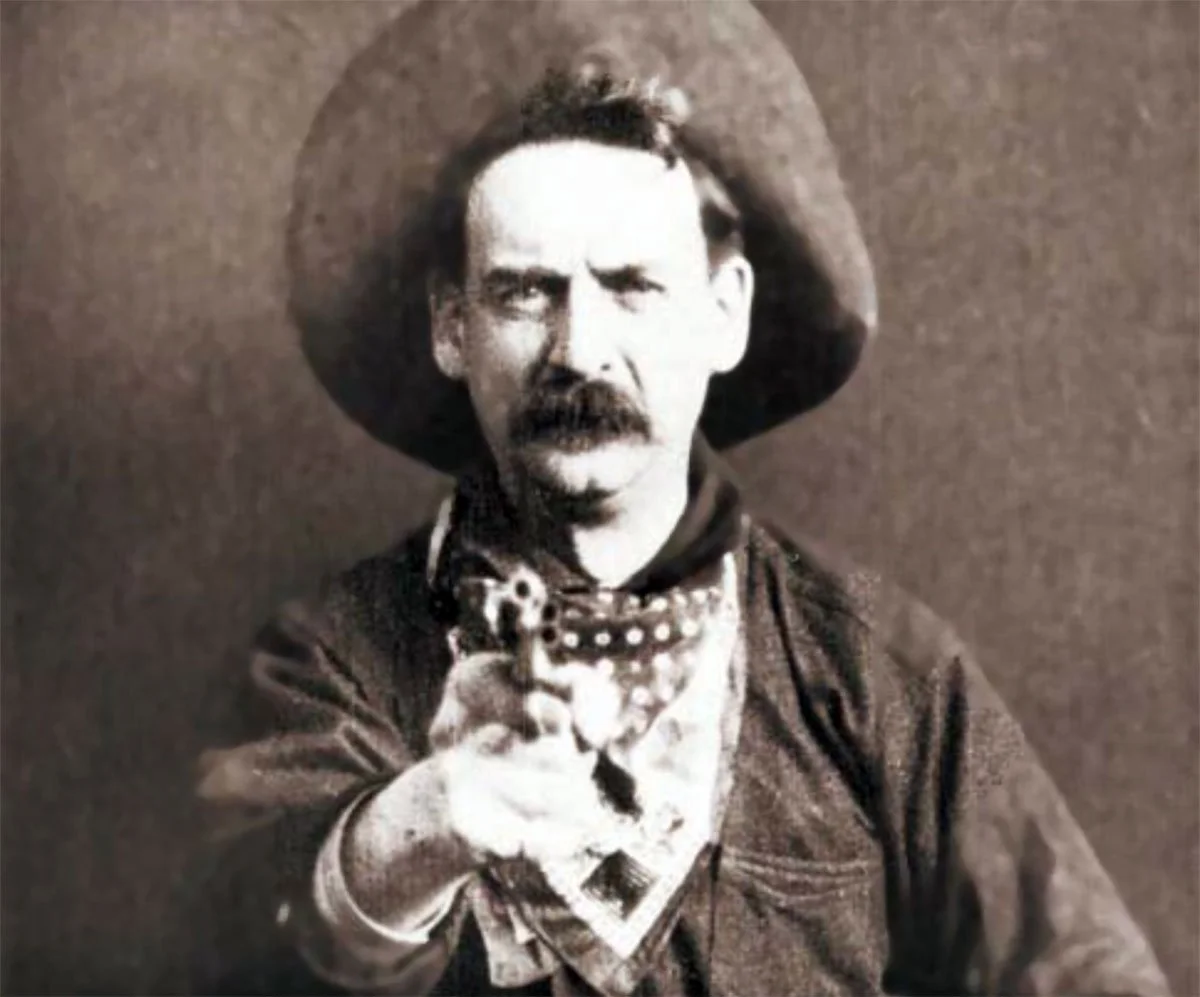
Edwin S. Porter (1870–1941) — The Birth of Narrative Cinema. The Great Train Robbery, 1903. One of the most influential early American motion pictures, Edwin S. Porter's twelve-minute film helped establish the possibilities of cinematic storytelling. Through its use of editing, multiple locations, and dramatic action, the film demonstrated how moving images could create a compelling narrative. Its famous close-up of an outlaw firing directly toward the camera became one of the most enduring images of early cinema.
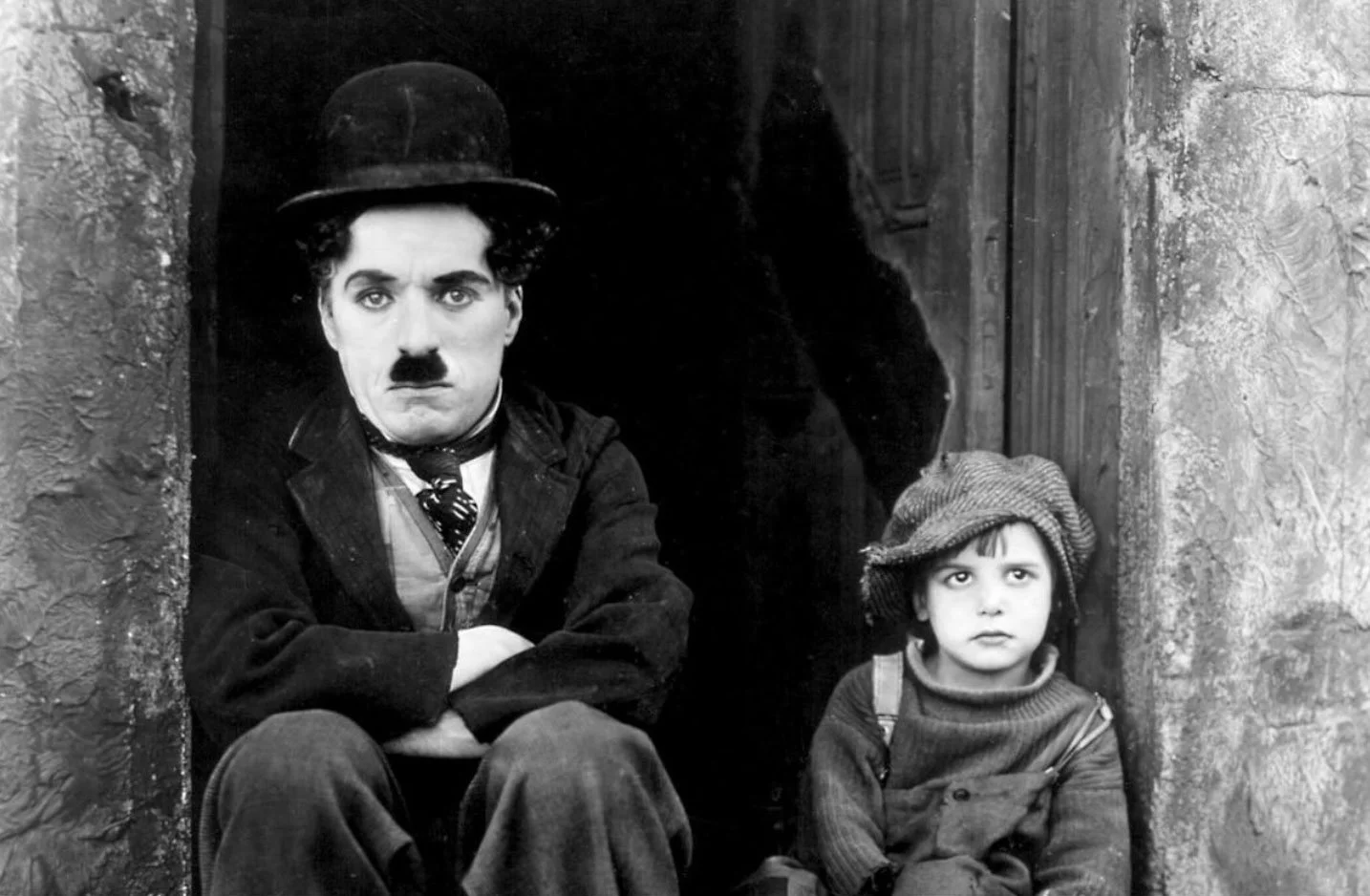
Charlie Chaplin (1889–1977) — Comedy and the Human Experience. The Kid, 1921. One of the silent era's most celebrated performers and filmmakers, Charlie Chaplin combined physical comedy with deeply human storytelling. In The Kid, Chaplin's beloved Little Tramp forms an unlikely bond with an abandoned child, portrayed by Jackie Coogan. Blending humor, hardship, and tenderness, the film demonstrated cinema's ability to evoke powerful emotions without spoken dialogue, helping establish motion pictures as a major artistic medium.
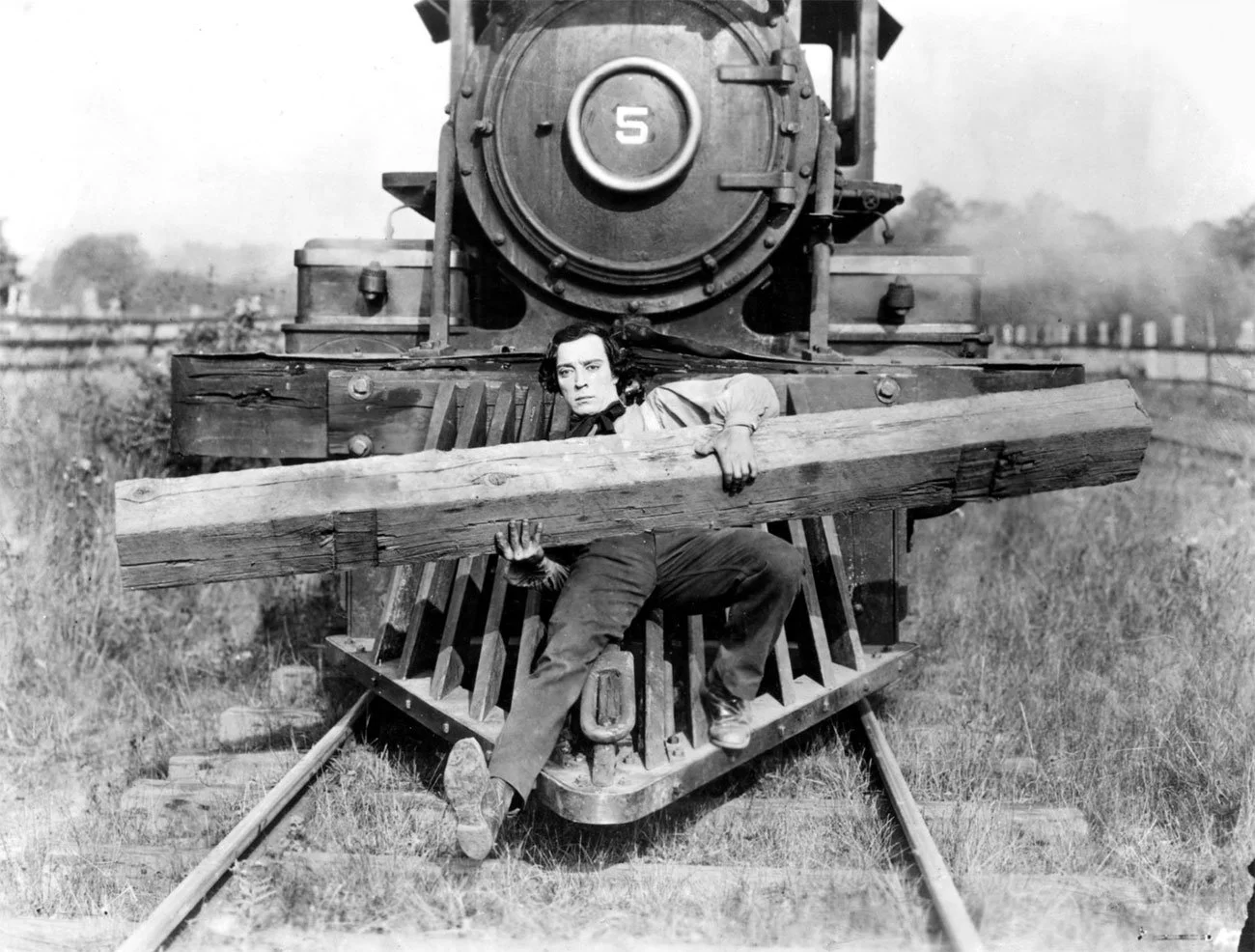
Buster Keaton (1895–1966) — The Art of Silent Cinema. The General, 1926. Renowned for his extraordinary physical comedy and famously impassive expression, Buster Keaton brought remarkable technical ingenuity to silent filmmaking. Set during the American Civil War, *The General* follows a locomotive engineer caught in an elaborate pursuit involving stolen trains and opposing armies. Through daring stunts, inventive camera work, and precisely choreographed action, Keaton demonstrated the visual sophistication and storytelling possibilities of silent cinema.
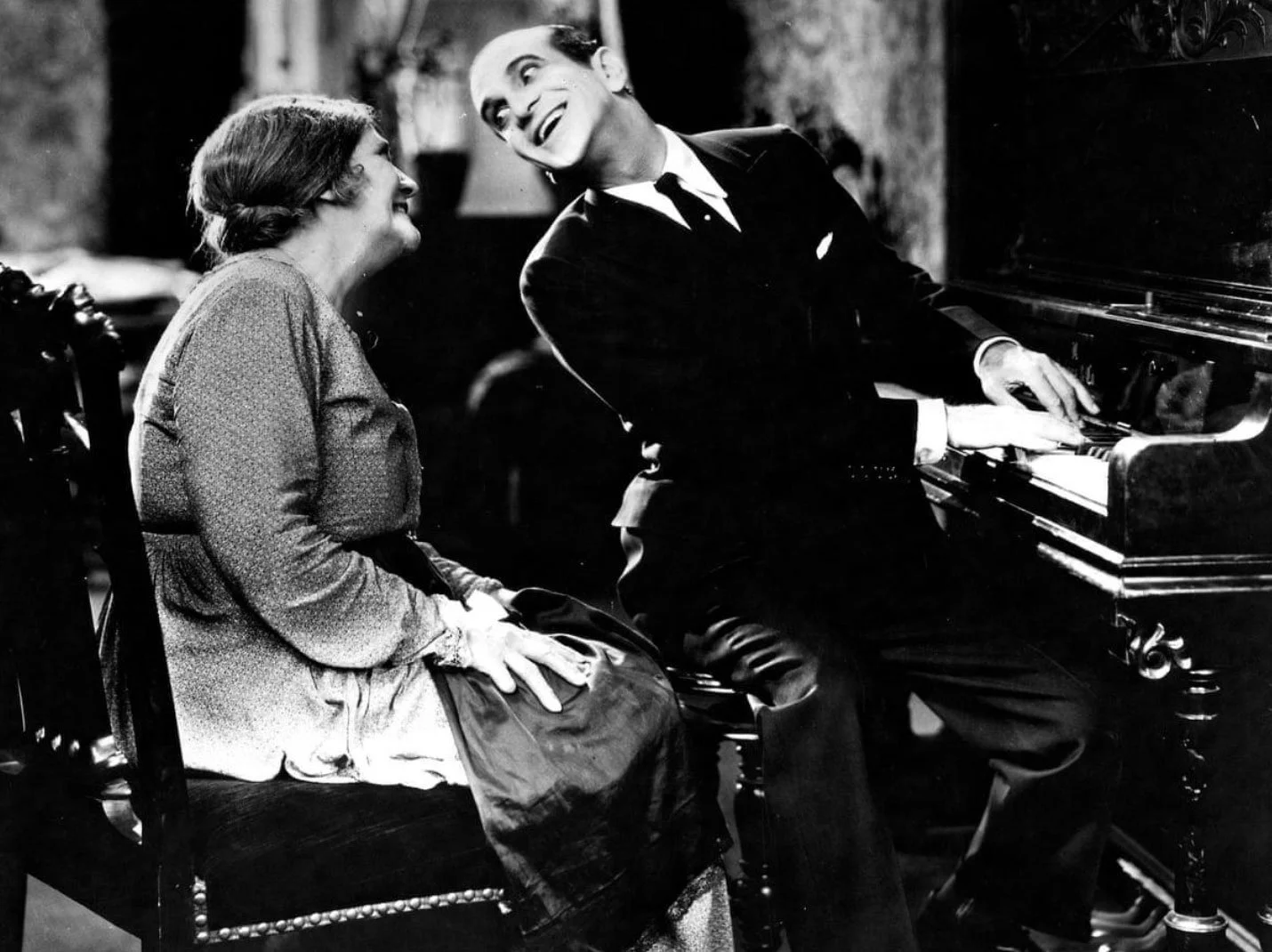
The Jazz Singer (1927) — The Arrival of Sound. The Jazz Singer, 1927. Starring Al Jolson, this landmark Warner Bros. production helped usher in the era of sound motion pictures. Although largely silent, the film featured synchronized musical performances and spoken dialogue, demonstrating the dramatic possibilities of sound in cinema. Its enormous success accelerated Hollywood's transition from silent films to talking pictures, transforming filmmaking, performance, and the motion picture industry. The film also reflected the racial stereotypes of its era through Jolson's use of blackface.
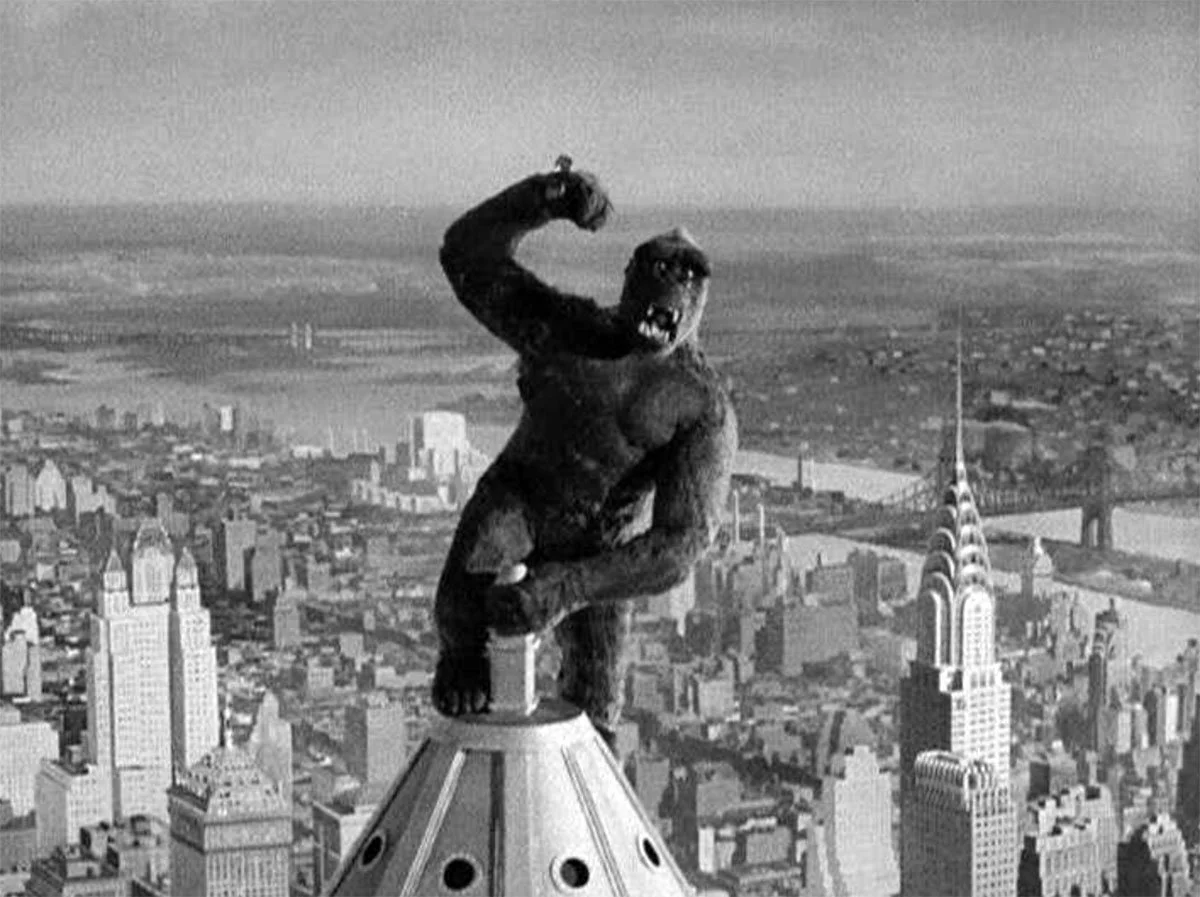
King Kong (1933) — The Age of Cinematic Spectacle. King Kong, 1933. Produced by RKO Pictures, this groundbreaking adventure film demonstrated the extraordinary possibilities of cinematic special effects. Through pioneering stop-motion animation by Willis O'Brien, filmmakers brought an enormous prehistoric creature to life against the backdrop of modern New York City. Its unforgettable climax atop the Empire State Building became one of cinema's most enduring images, helping establish the tradition of spectacular fantasy filmmaking that would influence generations of American filmmakers.
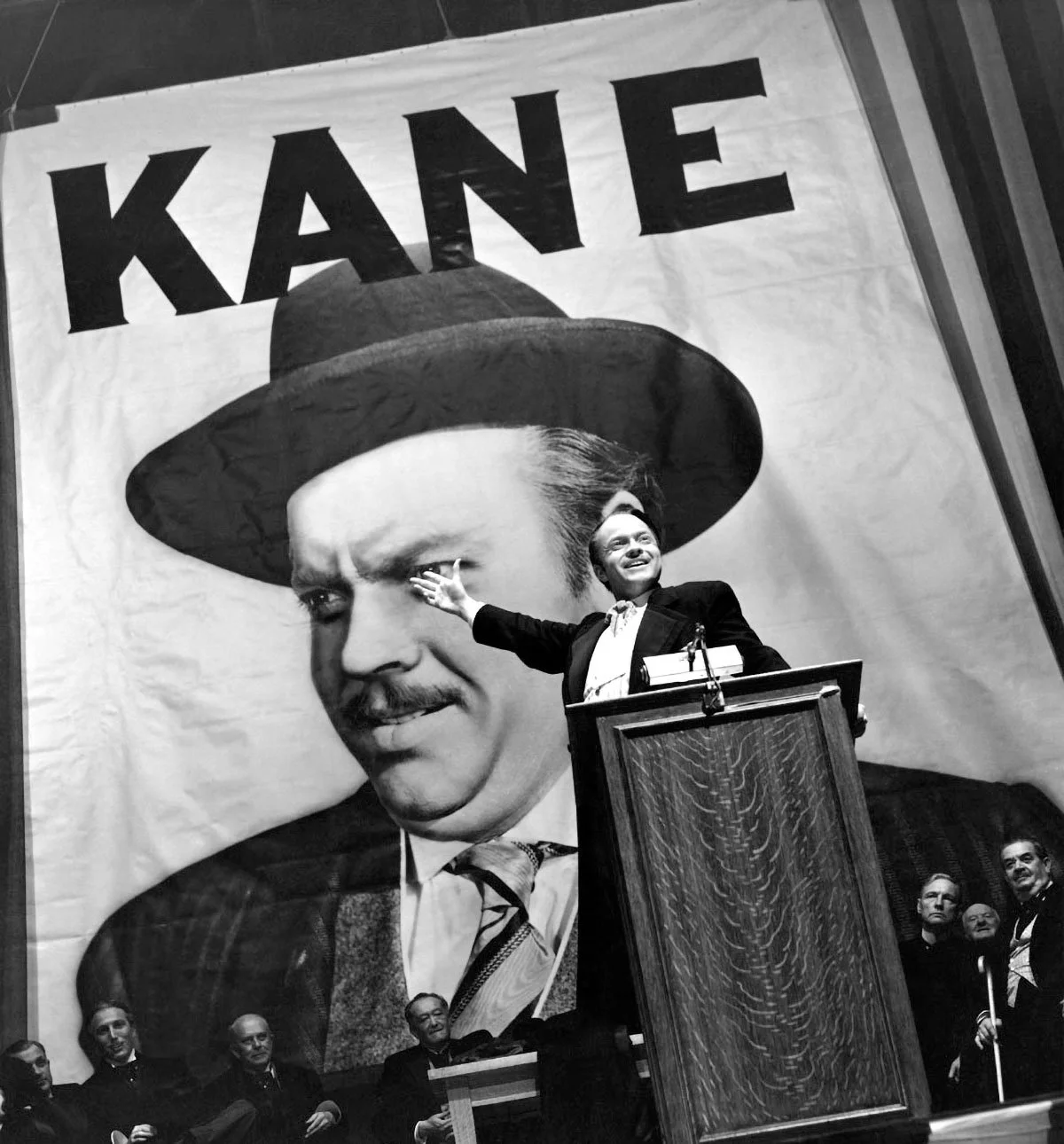
Citizen Kane (1941) — Cinema as an Art Form. Citizen Kane, 1941. Directed by and starring Orson Welles, this landmark American film expanded the artistic possibilities of motion pictures through innovative cinematography, sound design, and nonlinear storytelling. Working with cinematographer Gregg Toland, Welles employed deep-focus photography, dramatic lighting, and unconventional camera angles to explore the life of a powerful newspaper magnate. Widely regarded as one of the most influential films ever made, Citizen Kane helped establish cinema as a sophisticated medium for examining ambition, power, and the complexities of human character.
By the middle of the twentieth century, American cinema had evolved from a technological novelty into a powerful artistic and cultural force.
Hollywood's films reached audiences around the world, shaping popular culture and influencing how generations understood America.
But the American screen would continue to change, reflecting new voices, new technologies, and a society in constant transformation.